
Choosing the wrong types of asbestos survey can cause immediate trouble: unsafe work, project delays, unexpected costs and avoidable legal risk. If you manage, buy, refurbish or demolish a UK property built before 2000, knowing which survey is needed is a practical part of staying compliant and keeping people safe.
Under the Control of Asbestos Regulations, duty holders must manage asbestos in non-domestic premises. HSE guidance, including HSG264, sets out how asbestos surveys should be planned, carried out and reported. The challenge is not whether asbestos matters. It is making sure the survey matches the actual work taking place.
What are the main types of asbestos survey?
There are two main types of asbestos survey used in buildings under HSE guidance:
- Management Survey
- Refurbishment and Demolition Survey
Alongside those, a re-inspection survey is commonly used to monitor known or presumed asbestos-containing materials over time. It is not a separate primary survey category in HSG264, but it is a key part of ongoing asbestos management.
There is also asbestos sampling and laboratory testing. That is useful when you need to identify one suspect material rather than commission a full building survey.
The different types of asbestos survey are not interchangeable. A survey that is suitable for day-to-day occupation will not be enough before intrusive building work. That is where many property managers get caught out.
Why the right types of asbestos survey matter
Asbestos is only dangerous when fibres are released and inhaled. That release can happen during routine maintenance, minor installations, strip-out work, drilling, cable runs, ceiling access, flooring replacement or demolition.
The right survey helps you understand:
- Whether asbestos-containing materials are present
- Where they are located
- What condition they are in
- How likely they are to be disturbed
- What action should be taken next
That information supports safer maintenance, better contractor control and more reliable project planning. It also helps you avoid relying on assumptions, which is where asbestos problems usually start.
Practical advice: before any contractor starts work, check whether the planned task could disturb the building fabric. If it could, review the existing asbestos information before work begins, not after the first hole is drilled.
Management Survey: the standard survey for occupied premises
A management survey is the standard option for occupied non-domestic premises and the communal areas of some residential buildings. Its purpose is to locate, as far as reasonably practicable, any asbestos-containing materials that could be disturbed during normal occupation, routine maintenance or foreseeable installation work.
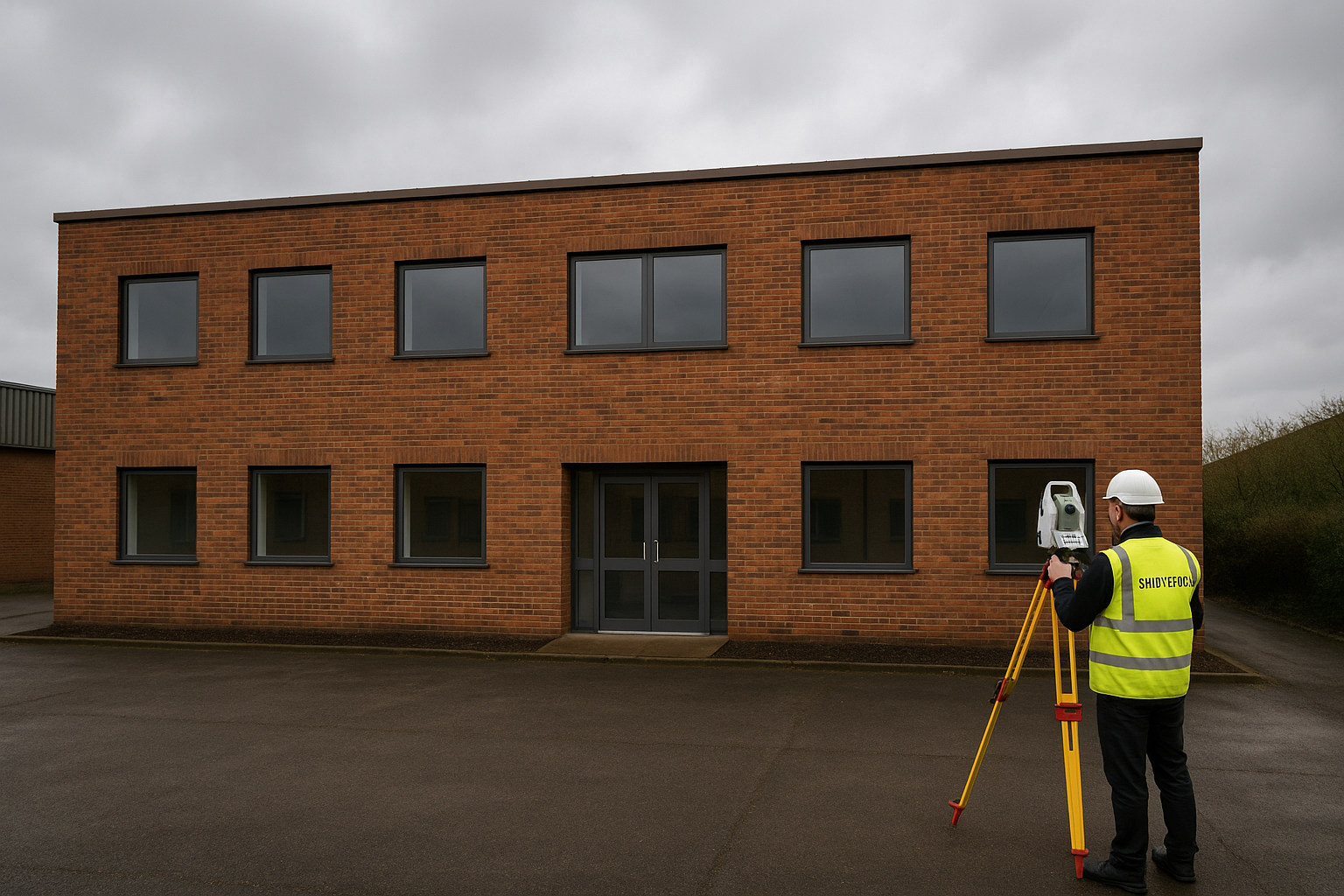
This is one of the most common types of asbestos survey because it supports ongoing legal duties to manage asbestos. If you are responsible for an office, school, warehouse, shop, surgery, industrial unit or block communal area built before 2000, this is often the starting point.
What a management survey is designed to do
A management survey aims to find accessible asbestos-containing materials that could be damaged or disturbed during everyday use of the building. It is not intended to uncover every hidden material behind walls, beneath floors or inside inaccessible voids.
That means it is useful for management, but it does not clear a building for intrusive works.
What is usually included
- Visual inspection of accessible areas
- Limited intrusion where needed and appropriate
- Sampling of suspect materials
- Laboratory identification of samples
- An asbestos register or schedule of findings
- Material assessments and practical recommendations
When a management survey is typically needed
- Before routine maintenance arrangements are put in place
- When taking responsibility for an older building
- Before contractors carry out minor works
- When existing asbestos information is missing, outdated or unreliable
Practical advice: if contractors may drill, fix, lift ceiling tiles, open risers, replace lights, access lofts or disturb floor finishes, make sure the survey is current and available to them. A report sitting unread in a file does not manage asbestos.
Common misunderstanding
Many people assume a management survey means the building is asbestos-free. It does not. It identifies asbestos-containing materials that can be found through a survey for normal occupation and maintenance. Hidden materials may remain.
If certain areas were locked, heavily furnished, unsafe to access or otherwise not reasonably practicable to inspect, the report may record limitations or presume asbestos. Those limitations matter. Read them carefully before planning any work.
Refurbishment and Demolition Survey: for intrusive works
A refurbishment survey is required before refurbishment or other works that will disturb the building fabric. A demolition survey is needed before full or partial demolition.
These are the most intrusive types of asbestos survey. Surveyors may need to break through walls, lift floor coverings, open ceiling voids, inspect service risers and access concealed areas to identify asbestos in the scope of works.
When this survey is required
- Office, retail or school refurbishments
- Strip-out projects
- Removal of kitchens, bathrooms, ceilings or partitions
- Plant room upgrades
- Structural alterations
- Full or partial demolition
If the planned work will disturb the fabric of the building, a management survey is not enough. That is one of the most important distinctions between the types of asbestos survey.
Why the survey is intrusive
Asbestos is often hidden in places that are not visible during normal occupation. It may be inside partition walls, beneath floor finishes, around pipework, within boxing, above ceilings or inside service ducts.
To identify those materials before work begins, the survey has to go beyond a surface-level inspection. That is why these surveys are usually carried out in vacant areas or under controlled conditions.
Practical points before booking
- Define the exact scope of works
- Identify the rooms, floors or structures affected
- Confirm whether the area can be vacated
- Provide any drawings or previous asbestos reports
- Make sure the survey matches the actual project boundary
Practical advice: do not ask for a refurbishment survey “for the whole building” unless the whole building is genuinely in scope. The survey should reflect the works planned. Too narrow, and materials may be missed. Too broad, and you may create unnecessary disruption and cost.
Re-inspection survey: ongoing monitoring of known asbestos
Where asbestos-containing materials have already been identified and left in place, they need to be monitored. A re-inspection survey checks the condition of known or presumed asbestos materials and confirms whether they remain safe to manage.
This is often overlooked when discussing the types of asbestos survey, but it is essential for ongoing compliance and sensible property management.
What a re-inspection survey looks at
- Whether previously identified materials are still present
- Whether they have been damaged, disturbed or deteriorated
- Whether material assessments need updating
- Whether the asbestos register still reflects site conditions
- Whether repair, encapsulation or removal should now be considered
The frequency of re-inspection depends on the material, its condition, its location and the likelihood of disturbance. Higher-risk materials in busy or vulnerable areas usually need closer attention.
Practical advice: if your asbestos register has not been reviewed for a long time, do not assume it is still reliable. Buildings change. Occupation patterns change. Maintenance work happens. Re-inspection keeps the record useful.
Asbestos testing and sampling: when a full survey is not necessary
Sometimes the issue is not choosing between the main types of asbestos survey. Sometimes you simply need to know whether one suspect material contains asbestos.
In that situation, asbestos testing may be the better option. This is commonly used for items such as textured coatings, floor tiles, insulation board, cement products, soffits, ceiling tiles or other suspect materials.
When targeted testing makes sense
- You have one or two suspect materials to identify
- You do not need a full building survey
- You need laboratory confirmation before minor decisions are made
- You are checking a material found during maintenance or purchase enquiries
If you already have a sample ready for laboratory examination, sample analysis can be a simple route. If you need a postal option, an asbestos testing kit may be suitable. Some clients simply want a straightforward testing kit for a small number of materials.
Practical advice: never disturb suspect materials casually. If there is any doubt about safe sampling, arrange professional attendance instead. A cheap shortcut can create contamination and unnecessary exposure.
How to choose between the types of asbestos survey
The easiest way to choose between the types of asbestos survey is to start with one question: what is happening in the building?
If the building is occupied and you need to manage asbestos
You will usually need a management survey. This supports normal occupation, routine maintenance and contractor awareness.
If you are planning intrusive works
You will usually need a refurbishment survey for the affected area. If the structure is being demolished, a demolition survey is required.
If asbestos is already known and remains in place
You may need a re-inspection survey to review condition and update records.
If you only need one material identified
Targeted asbestos testing may be enough.
A simple way to think about the types of asbestos survey is this:
- Management Survey = manage asbestos during normal use
- Refurbishment Survey = find asbestos before intrusive refurbishment works
- Demolition Survey = find asbestos before demolition
- Re-inspection Survey = monitor known asbestos over time
- Testing = identify a specific suspect material
Practical advice: if you are unsure, explain the planned works to a specialist before booking. The purpose of the survey matters more than the label someone guesses over the phone.
What happens during an asbestos survey?
Although the exact process depends on which of the types of asbestos survey you need, most surveys follow a similar path.
1. Initial discussion and scope
The surveyor or office team will ask about the property type, age, occupancy, access, previous asbestos information and the reason for the survey. For refurbishment or demolition work, the exact project scope is critical.
2. Site inspection
The surveyor inspects the relevant areas, identifies suspect materials and takes samples where appropriate. For intrusive surveys, parts of the building may need to be opened up.
3. Laboratory analysis
Samples are analysed to confirm whether asbestos is present. This helps ensure the report is based on evidence rather than guesswork, except where materials are presumed because sampling is not possible.
4. Report and recommendations
A proper report should be clear, practical and easy to use. It should identify locations, material types where known, condition, risk information, limitations and recommended actions.
You should be able to use the report for:
- Updating the asbestos register
- Informing contractors
- Planning maintenance safely
- Preparing refurbishment works
- Deciding whether remedial action or removal is needed
How survey results are used in practice
The survey itself is only part of the job. What matters is how the findings are used on site. The best of the types of asbestos survey still adds little value if the report is ignored or misunderstood.
After a survey, the findings may be used to:
- Update the asbestos register
- Support the asbestos management plan
- Brief maintenance staff and contractors
- Set restrictions on certain activities
- Plan repair, encapsulation or removal
- Define safe project sequencing before works begin
Where asbestos is damaged, high risk or directly affected by planned works, professional asbestos removal may be required. Removal should follow proper review of the survey findings and the correct method of work.
Practical advice: give contractors the relevant asbestos information before they arrive on site. Do not leave it to the site manager to mention it halfway through the job.
Common mistakes when choosing types of asbestos survey
Most asbestos problems are not caused by the survey itself. They start with the wrong survey being commissioned, poor site information or a report that is never used properly.
Common errors to avoid
- Booking a management survey when refurbishment is planned
- Assuming an old report still reflects current site conditions
- Ignoring survey limitations or inaccessible areas
- Failing to define the exact scope of works
- Starting work before the survey report is reviewed
- Using testing alone when a full survey is actually needed
Practical advice: before approving any survey, ask two questions. What work is happening? Which areas will be disturbed? The answers usually point to the correct service quickly.
What to prepare before you book
Arranging the right one of the types of asbestos survey is much easier when you have the right details ready.
- Property address and postcode
- Building type and approximate age
- Whether the premises are occupied
- The purpose of the survey
- Any planned works and affected areas
- Existing asbestos reports or registers
- Access restrictions or deadlines
The more accurate the information, the more accurate the survey scope and quotation will be. That reduces the chance of delay, repeat visits or gaps in coverage.
If you are ready to move forward, you can book a survey online and get advice on the most suitable option for your property and planned works.
Choosing a surveyor: what good service looks like
Not all providers deliver the same standard of inspection or reporting. When comparing the types of asbestos survey, the quality of the surveyor matters just as much as the survey category.
Look for a provider that offers:
- Surveying carried out in line with HSG264
- Clear, usable reports
- Competent surveyors with relevant experience
- Reliable sampling and laboratory arrangements
- Practical recommendations, not vague commentary
- Experience across commercial, industrial and residential settings
A cheap survey can become expensive if materials are missed, access is not handled properly or the report is too unclear for contractors to use. Good surveying should reduce uncertainty, not create more of it.
Frequently Asked Questions
What are the main types of asbestos survey?
The main types of asbestos survey are the Management Survey and the Refurbishment and Demolition Survey, as set out in HSE guidance including HSG264. A re-inspection survey is also commonly used to monitor known asbestos-containing materials over time.
Do I need an asbestos survey before refurbishment?
Yes, if the work will disturb the building fabric in a property that may contain asbestos, a refurbishment survey is usually required before work starts. A management survey is not designed for intrusive works.
What is the difference between a management survey and a demolition survey?
A management survey supports normal occupation and routine maintenance in an occupied building. A demolition survey is intrusive and is used to identify asbestos before a structure, or part of it, is demolished.
Can I just test one material instead of having a full survey?
Sometimes, yes. If you only need to identify a specific suspect material, targeted asbestos testing may be enough. If wider maintenance, refurbishment or demolition is planned, a full survey is usually the safer and more appropriate option.
How often should asbestos be re-inspected?
There is no single interval that suits every building. Re-inspection frequency depends on the type of material, its condition, location and the likelihood of disturbance. The key is to review known asbestos often enough to keep the register accurate and the management plan effective.
Need help choosing the right asbestos survey?
Supernova Asbestos Surveys has completed more than 50,000 surveys nationwide, helping property managers, duty holders, contractors, landlords and homeowners choose the right service with clear, practical advice. Whether you need help comparing the types of asbestos survey, arranging testing, or planning next steps after a report, we can help.
Call 020 4586 0680, visit asbestos-surveys.org.uk, or get started online to arrange the right survey for your property.