
You can breathe in asbestos fibres and feel absolutely fine for years. That is why so many people search how long after asbestos exposure symptoms appear, especially after a building incident, refurbishment work or a worrying memory from an old job. The difficult truth is that asbestos-related disease usually has a long latency period, often measured in decades rather than days or weeks.
That delay causes a lot of confusion. Some people assume no symptoms means no risk, while others fear that one recent exposure will cause immediate illness. Neither view is accurate. The real picture depends on what was disturbed, how much fibre was released, how often exposure happened and what medical condition is being considered.
How long after asbestos exposure symptoms usually appear
If you want a direct answer to how long after asbestos exposure symptoms start, there is no single timetable that fits everyone. Different asbestos-related conditions develop in different ways, and the body can take many years to show signs of damage.
In most recognised asbestos-related illnesses, symptoms do not appear straight away. For many people, the latency period is 20 years or more. In some cases, it can be even longer.
- Asbestosis often develops after heavy or repeated exposure over time and may take 20 to 30 years or longer before symptoms become obvious.
- Mesothelioma commonly appears 20 to 50 years after exposure, and sometimes later.
- Asbestos-related lung cancer can also take decades to develop.
- Pleural plaques and diffuse pleural thickening may be identified years after exposure, sometimes before they cause noticeable symptoms.
So when people ask how long after asbestos exposure symptoms show up, the answer is usually not immediately. A person exposed in early adulthood may not notice problems until middle age or later.
This is why a lack of symptoms after an incident does not prove no harm was done. It simply means asbestos-related disease, if it develops, tends to take a long time to declare itself.
Why asbestos-related disease takes so long to develop
Asbestos fibres are microscopic, durable and difficult for the body to remove. Once inhaled, some fibres can travel deep into the lungs and remain there for years. The damage is usually gradual rather than sudden.
Instead of causing immediate illness, fibres can trigger long-term inflammation, scarring and, in some cases, cellular changes linked to cancer. That slow process is central to understanding how long after asbestos exposure symptoms may appear.
What happens inside the lungs
Air passes through the windpipe, into the bronchi, then the smaller bronchioles, and finally into the alveoli. These tiny air sacs are where oxygen passes into the bloodstream.
If asbestos fibres reach these deeper parts of the lungs, some can become embedded in tissue. The immune system tries to deal with them, but it cannot always break them down or remove them effectively.
Over time, this can lead to:
- chronic inflammation
- fibrosis, or scarring of lung tissue
- thickening of the lining around the lungs
- reduced lung elasticity
- less efficient oxygen transfer
The lungs may cope for years before the damage becomes severe enough to cause breathlessness, chest discomfort or a persistent cough. That is one reason the question how long after asbestos exposure symptoms can be so frustrating to answer with precision.
What affects the risk after asbestos exposure
Not every asbestos exposure carries the same level of risk. A single brief incident is not the same as years of uncontrolled work with asbestos insulation, lagging or insulating board.
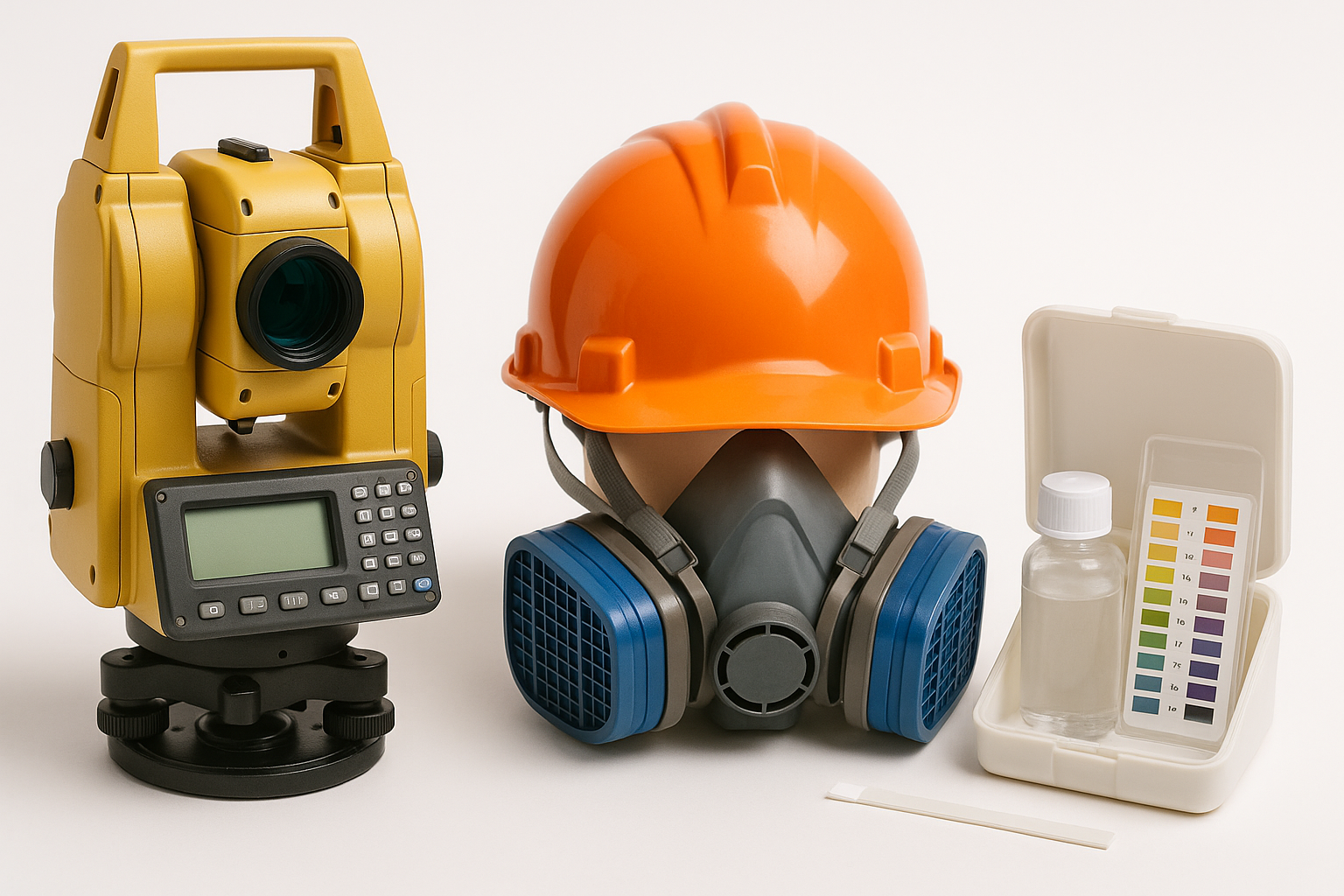
When looking at how long after asbestos exposure symptoms might appear, these factors matter most:
- Duration of exposure – repeated exposure over months or years generally creates greater risk than a one-off event.
- Intensity of exposure – higher airborne fibre levels increase risk.
- Type of asbestos fibre – all asbestos types are hazardous, though disease patterns can vary.
- Condition of the material – damaged or disturbed asbestos-containing materials release more fibres than sealed, undisturbed products.
- Work method – cutting, drilling, sanding, breaking and stripping materials can release significant fibre levels.
- Use of controls – suitable controls, procedures and respiratory protection can reduce exposure.
- Smoking history – smoking significantly increases the risk of lung cancer in people exposed to asbestos.
These variables are why no doctor or surveyor can promise an exact outcome for one person. Exposure history helps assess risk, but it cannot predict with certainty whether disease will develop.
Common ways asbestos exposure happens
Asbestos-related disease is caused by inhaling airborne fibres. In practice, exposure can happen in several different settings, and older buildings remain a common source when materials are disturbed without proper checks.
Occupational exposure
Most serious asbestos-related disease in the UK is linked to work. Historically, higher-risk trades included construction, demolition, insulation work, shipbuilding, plumbing, electrical work, roofing, joinery, manufacturing and maintenance.
Workers were often exposed while cutting, drilling, removing or disturbing asbestos-containing materials. In many older sites, controls were poor or absent.
Secondary exposure
Some people were exposed indirectly. Fibres could be carried home on contaminated overalls, footwear or tools, affecting family members who never worked with asbestos themselves.
Environmental or accidental exposure
Short-term exposure can happen during refurbishment, DIY, accidental damage or poor building maintenance. This is usually different from prolonged occupational exposure, but it still needs to be taken seriously.
Common asbestos-containing materials in older properties include:
- pipe lagging
- sprayed coatings
- asbestos insulating board
- textured coatings
- cement sheets and roof panels
- floor tiles and bitumen adhesive
- soffits, panels and ceiling tiles
- gaskets, ropes and insulation products
If you manage older premises, prevention matters far more than guessing after the event. Before maintenance or refurbishment starts, arranging an asbestos survey London service can help identify asbestos-containing materials before anyone disturbs them.
Can one-off exposure cause asbestos-related disease?
This is one of the most common concerns after a sudden incident. Someone drills into a board, breaks a ceiling tile or lifts old floor coverings, then immediately starts searching how long after asbestos exposure symptoms might begin.

A one-off exposure is generally lower risk than repeated occupational exposure over many years. Even so, it should not be dismissed without looking at what actually happened.
The real risk depends on:
- how much dust was released
- how long you were exposed
- whether the material actually contained asbestos
- what type of asbestos it contained
- whether the area was enclosed or ventilated
- whether respiratory protection was used
- whether the material was friable or firmly bound
A brief exposure does not mean disease is likely. It does mean the incident should be recorded properly, the material should be identified if possible and further disturbance should stop immediately.
If you are unsure whether a material contains asbestos, do not rely on appearance alone. Sampling, surveying and a proper risk assessment are the sensible next steps.
Symptoms of asbestos-related disease
People often search how long after asbestos exposure symptoms appear because the early signs can be vague. Breathlessness, cough and fatigue can easily be blamed on age, smoking, asthma or reduced fitness.
The symptoms depend on the condition involved, and some asbestos-related changes may be found on imaging before they cause obvious problems.
Symptoms of asbestosis
Asbestosis is a chronic lung disease caused by scarring of lung tissue. It is not cancer, but it can be serious and life-limiting.
- shortness of breath, especially on exertion
- a persistent cough
- wheezing in some cases
- fatigue
- chest tightness or discomfort
- reduced exercise tolerance
- clubbing of the fingertips in more advanced cases
Symptoms often come on gradually. Many people first notice they are more breathless on stairs or walking uphill than they used to be.
Symptoms of mesothelioma
Mesothelioma usually affects the lining of the lungs, though it can also affect the lining of the abdomen.
- persistent chest pain
- shortness of breath
- a persistent cough
- fatigue
- unexplained weight loss
- loss of appetite
- fluid around the lungs
Symptoms of asbestos-related lung cancer
These symptoms can overlap with other lung conditions:
- a cough that does not go away
- coughing up blood
- chest pain
- breathlessness
- repeated chest infections
- unexplained tiredness or weight loss
Pleural disease symptoms
Pleural plaques often do not cause symptoms and may only be found on imaging. Diffuse pleural thickening can cause:
- breathlessness
- chest discomfort
- restricted lung expansion
How asbestos-related conditions differ
It helps to separate the main conditions because they do not all behave in the same way. That is another reason how long after asbestos exposure symptoms appear can vary so widely.
Asbestosis
Asbestosis is caused by heavy or prolonged exposure to asbestos fibres over time. The lungs become scarred, making breathing harder and reducing oxygen transfer. It is usually linked to repeated occupational exposure rather than a brief one-off incident.
Mesothelioma
Mesothelioma is a cancer of the lining around the lungs or abdomen. It has a long latency period and can develop decades after exposure. Symptoms often appear late, which is why past exposure history matters so much.
Asbestos-related lung cancer
This is lung cancer linked to asbestos exposure. Smoking significantly increases the risk, so doctors will want a full exposure and smoking history when assessing symptoms.
Pleural plaques and diffuse pleural thickening
These conditions affect the pleura, the lining around the lungs. Pleural plaques are areas of thickening that often do not cause symptoms. Diffuse pleural thickening can affect lung function and lead to breathlessness.
When to seek medical advice
If you have a history of exposure and develop breathing problems, chest pain or a persistent cough, speak to a GP. Do not wait for symptoms to become severe.
Be clear about your work history and possible exposure. Doctors need that background because symptoms alone do not confirm asbestos as the cause.
Tell your GP about:
- the type of work you did
- the buildings or materials involved
- how long you were exposed
- whether exposure was repeated or one-off
- whether you used respiratory protection
- whether you smoke or used to smoke
Your GP may arrange tests or refer you for further assessment. Depending on your symptoms and history, this may include chest imaging, lung function tests or specialist review.
If you are worried because of a recent incident, medical advice can help put the risk into context. It is also sensible to keep a personal written record of what happened.
What to do straight after suspected asbestos exposure
If exposure has just happened, practical steps matter more than panic. The aim is to stop further disturbance, reduce the chance of additional inhalation and create a clear record.
- Stop work immediately. Do not continue drilling, cutting, sanding or clearing debris.
- Leave the area if dust may be airborne. Keep other people out if possible.
- Report the incident. Tell your employer, supervisor, dutyholder or managing agent straight away.
- Make a written record. Note the date, location, task, material involved and who was present.
- Do not sweep or dry clean debris. This can spread fibres further.
- Arrange identification of the material. Sampling or a survey may be needed.
- Seek medical advice if you are concerned. This is particularly sensible after significant exposure.
These steps are useful whether the exposure happened at work, during maintenance or while managing a residential or commercial property portfolio.
What employers and dutyholders should do
Under the Control of Asbestos Regulations, employers and dutyholders must manage asbestos risk properly. That means identifying asbestos-containing materials where required, assessing risk, providing information and training, and ensuring suitable controls are in place before work starts.
For surveys, the recognised approach is set out in HSG264. HSE guidance also makes it clear that asbestos must be managed in a planned, evidence-based way rather than guessed at on site.
Where exposure may have occurred, employers should:
- investigate the incident promptly
- review the existing asbestos information and risk assessment
- arrange sampling or surveying where materials are unidentified
- prevent further disturbance until the risk is understood
- put corrective measures in place
- keep a clear record of what happened
- brief anyone affected on the next steps
If you oversee premises in the North West, booking an asbestos survey Manchester inspection before intrusive work starts is a practical way to reduce avoidable exposure.
Misconceptions about how long after asbestos exposure symptoms appear
There are several persistent myths around how long after asbestos exposure symptoms show up. These misunderstandings can lead to panic in some cases and dangerous complacency in others.
Myth 1: Symptoms appear straight away
They usually do not. Most asbestos-related diseases take many years to develop, often decades.
Myth 2: No symptoms means no exposure happened
Wrong. You can be exposed without any immediate symptoms at all. Recent exposure often causes no obvious sign.
Myth 3: Every exposure leads to disease
Not every exposure results in illness. Risk depends on the amount, duration, frequency and nature of the exposure.
Myth 4: One brief exposure is always harmless
Brief exposure is generally lower risk than prolonged occupational exposure, but it should still be assessed properly. The material involved and the amount of dust released matter.
Myth 5: You can identify asbestos by sight
You cannot confirm asbestos just by looking at a material. Sampling and professional inspection are the reliable route.
How to reduce the risk in older buildings
If you are responsible for a property built when asbestos was commonly used, the best response is prevention. Waiting until someone is asking how long after asbestos exposure symptoms appear means the control point may already have been missed.
Practical steps include:
- keep an up-to-date asbestos register where required
- review the condition of known asbestos-containing materials
- make sure contractors have the right asbestos information before work starts
- arrange the correct type of survey before maintenance, refurbishment or demolition
- stop unauthorised drilling, cutting or removal in older areas
- train staff so they know what to do if suspicious materials are found
For properties in the Midlands, arranging an asbestos survey Birmingham service can help you identify risks early and avoid costly disruption later.
Practical advice if you are worried about past exposure
If you are concerned about exposure from years ago, focus on facts rather than assumptions. It is rarely possible to work backwards from symptoms alone without a proper medical and exposure history.
Take these steps:
- Write down where and when the exposure may have happened.
- List the type of work, materials and buildings involved.
- Note whether the exposure was repeated or a one-off incident.
- Keep any documents, site records or photographs that may help.
- Tell your GP about the exposure history if you develop respiratory symptoms.
- If you manage buildings, review whether asbestos information is current and accessible.
This approach is far more useful than guessing based on internet searches alone. The question how long after asbestos exposure symptoms appear matters, but the context around the exposure matters just as much.
Frequently Asked Questions
Can asbestos symptoms appear after a few days?
Asbestos-related diseases do not usually cause symptoms within days of exposure. Most conditions linked to asbestos have a long latency period and typically develop over many years.
How long after asbestos exposure symptoms of mesothelioma appear?
Mesothelioma often appears decades after exposure. A latency period of 20 to 50 years is commonly discussed, although it can sometimes be longer.
Should I worry about one-time asbestos exposure?
A one-time exposure is generally lower risk than repeated heavy exposure over years, but it should still be taken seriously. Record what happened, stop further disturbance and arrange professional assessment of the material.
What are the first signs of asbestos-related illness?
Early signs can include breathlessness, a persistent cough, chest discomfort and reduced exercise tolerance. These symptoms are not specific to asbestos, which is why medical assessment and exposure history are important.
Can you check a building before work starts?
Yes. A professional asbestos survey can identify asbestos-containing materials so work can be planned safely. This is one of the most effective ways to prevent accidental exposure.
If you need clear advice on asbestos risks in a residential, commercial or public-sector property, speak to Supernova Asbestos Surveys. We carry out professional asbestos surveys across the UK and can help you identify materials before they are disturbed. Call 020 4586 0680 or visit asbestos-surveys.org.uk to arrange a survey or discuss your site.