Second Hand Asbestos Exposure: The Myths Still Putting People at Risk
Most people picture asbestos risk as something that happened to shipyard workers and factory employees decades ago. That narrative is dangerously incomplete. Second hand asbestos exposure is real, it is ongoing, and it is affecting people in UK homes, schools, and public buildings right now — people who have never set foot on a worksite in their lives.
If you believe asbestos is only a threat to those who worked directly with it, the evidence says otherwise. Here is what you actually need to know.
What Is Second Hand Asbestos Exposure?
Second hand asbestos exposure — also called paraoccupational exposure — happens when someone inhales asbestos fibres brought into their environment by another person, without any direct contact with asbestos materials themselves.
The most well-documented route is domestic. A worker handles asbestos-containing materials (ACMs) during their working day, then returns home with fibres clinging to their clothing, hair, skin, and tools. Those fibres become airborne in the home, and family members inhale them without ever visiting a worksite.
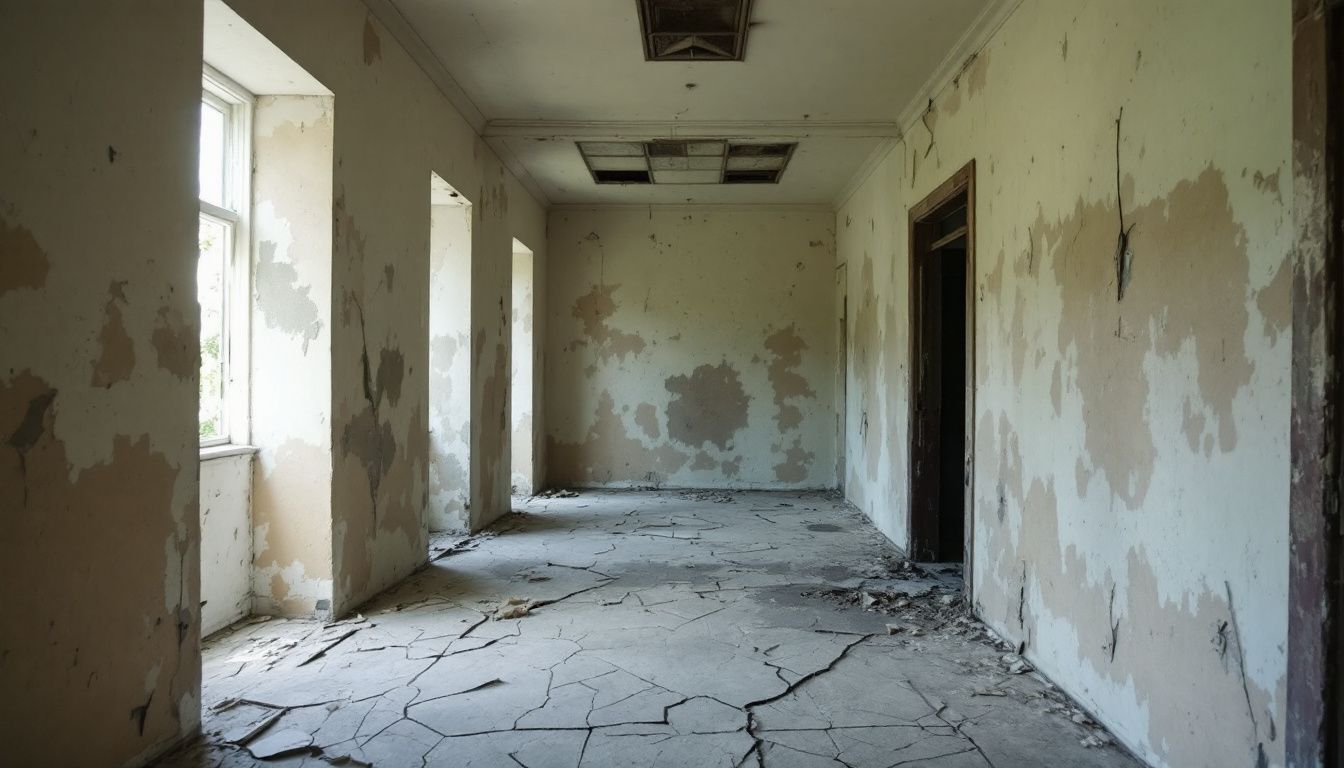
But it does not stop there. Older UK buildings — schools, hospitals, libraries, offices — frequently contain ACMs that, if disturbed or deteriorating, can release fibres into shared spaces. Anyone occupying those spaces can be exposed without any awareness that a risk exists at all.
Where Does Second Hand Asbestos Exposure Happen?
The settings are more varied than most people realise. Second hand asbestos exposure can occur in any of the following situations:
- At home — fibres carried in on a worker’s clothing, tools, or equipment
- Older residential properties — disturbed ACMs in artex ceilings, floor tiles, pipe lagging, and insulation boards
- Schools and public buildings — where asbestos was routinely used in construction before the full UK ban
- DIY renovation work — homeowners unknowingly disturbing ACMs in pre-2000 properties
- Near demolition or refurbishment sites — where asbestos is disturbed without adequate containment
The common thread in every one of these scenarios is that the person being exposed never made a conscious choice to work with asbestos. That distinction matters enormously — both medically and legally.
The Biggest Myths About Second Hand Asbestos Exposure
Myth 1: Asbestos Is Only Dangerous in Industrial or Workplace Settings
This is the most persistent and most harmful misconception. Yes, occupational exposure in trades like plumbing, electrical work, roofing, and shipbuilding carries significant risk. But the idea that your home or local school is inherently safe is not supported by the evidence.
The UK has one of the highest rates of mesothelioma in the world. A significant proportion of cases involve people with no direct occupational asbestos history. Female mesothelioma deaths in the UK rose substantially in the decades following peak industrial asbestos use — a pattern researchers link directly to domestic secondary exposure, not workplace contact.
Asbestos does not behave differently because it is inside a residential property. A fibre inhaled in a living room carries the same potential for harm as one inhaled on a building site.
Myth 2: Short-Term or Low-Level Exposure Is Safe
There is no established safe threshold for asbestos exposure. This is not a contested point — it is the position of the Health and Safety Executive and every major occupational health body in the UK.
Mesothelioma has been diagnosed in people whose only documented exposure was brief and incidental — a relative who worked with asbestos, a single renovation project in a property containing ACMs, or living near an asbestos processing facility for a short period.
The latency period for asbestos-related diseases is typically between 20 and 50 years. A minor exposure event today may not manifest as illness until decades from now, which makes it easy to underestimate the risk at the time. Short-term does not mean low-risk.
Myth 3: You Have to Physically Touch Asbestos to Be at Risk
Asbestos fibres are microscopic. Once airborne, they can remain suspended in the air for hours, settle on surfaces, embed in soft furnishings, and cling to fabric. A worker who handles asbestos insulation boards during the day may carry thousands of invisible fibres home on their overalls, jacket, or hair.
When those clothes are removed, shaken out, or washed in a shared space, fibres become airborne again — and anyone present can inhale them. This is precisely why the Control of Asbestos Regulations include specific provisions around decontamination procedures for workers, including requirements to change clothing on site and use appropriate respiratory protective equipment (RPE).
Physical contact with asbestos material is not required for exposure to occur.
Myth 4: Modern Buildings Are Asbestos-Free
The UK banned the import and use of all forms of asbestos in 1999. But that ban did not retroactively remove asbestos from the millions of buildings constructed before that date.
Asbestos-containing materials are present in a large proportion of UK non-domestic buildings built before 2000 — including offices, schools, hospitals, and public sector properties. Many residential properties from the same era also contain ACMs, often in less obvious locations such as textured coatings, floor adhesives, and roof soffits.
If your property was built or significantly refurbished before 2000, the presence of asbestos should be assumed until a professional survey confirms otherwise. Do not assume that because a building looks modern or well-maintained, it is free of asbestos.
Myth 5: Asbestos Only Causes Lung Disease
Asbestos-related disease is most commonly associated with the lungs and pleura, but the impact extends considerably further. Asbestos fibres can cause:
- Pleural mesothelioma — cancer of the lung lining
- Peritoneal mesothelioma — cancer of the abdominal lining
- Pericardial mesothelioma — cancer of the heart lining (rare but documented)
- Lung cancer — particularly in combination with smoking
- Asbestosis — progressive scarring of lung tissue
- Pleural plaques and pleural thickening — non-cancerous but indicative of significant exposure
- Laryngeal and ovarian cancer — both formally recognised as linked to asbestos exposure by the International Agency for Research on Cancer
The full spectrum of asbestos-related disease is considerably broader than the public conversation typically acknowledges.
The Health Risks Explained Clearly
Mesothelioma
Mesothelioma is an aggressive and almost always fatal cancer that is almost exclusively caused by asbestos exposure. There is no cure, though treatment options — including surgery, chemotherapy, immunotherapy, and radiotherapy — can extend survival and manage symptoms.
The UK has historically had some of the highest mesothelioma rates globally, a direct consequence of heavy industrial asbestos use during the 20th century. Cases are still being diagnosed, and will continue to be diagnosed for decades to come given the long latency period of the disease.
Critically, mesothelioma does not respect occupational boundaries. Second hand asbestos exposure accounts for a meaningful proportion of cases — and those affected deserve the same legal protections and access to compensation as direct occupational victims.
Asbestosis
Asbestosis is a chronic lung condition caused by the inhalation of asbestos fibres over time. It causes progressive scarring of lung tissue, leading to breathlessness, persistent cough, fatigue, and chest tightness. There is no cure — management focuses on slowing progression and improving quality of life.
Asbestosis is most commonly associated with prolonged occupational exposure, but secondary exposure cases are documented. If you have a family history of asbestos-related work and are experiencing respiratory symptoms, speak to your GP and mention the potential exposure history.
Lung Cancer
Asbestos is a well-established cause of lung cancer, and the risk is significantly elevated in those who smoke. Unlike mesothelioma, asbestos-related lung cancer is clinically identical to lung cancer from other causes — which can complicate both diagnosis and compensation claims.
If you believe asbestos exposure — including second hand asbestos exposure — may be a factor in a lung cancer diagnosis, specialist legal advice is worth seeking. The burden of proof in these cases is complex, but claims have been successfully brought.
Your Legal Rights and the UK Regulatory Framework
In the UK, asbestos management is governed primarily by the Control of Asbestos Regulations. These regulations impose a duty to manage asbestos on those responsible for non-domestic premises — including landlords, employers, and building owners.
Key obligations under the regulations include:
- Identifying the location and condition of ACMs in premises
- Assessing the risk posed by those materials
- Producing and maintaining an asbestos management plan
- Ensuring that anyone who may disturb ACMs is informed of their location
- Using only licensed contractors for higher-risk asbestos work
The Health and Safety at Work Act also places general duties on employers to protect the health of their employees and, in some circumstances, third parties. HSE guidance — including HSG264 — sets out the standards expected of duty holders and surveyors.
If you believe you have been exposed to asbestos — whether through your own work, through a family member’s occupation, or as a result of someone else’s failure to manage asbestos safely — you may be entitled to compensation. UK courts have handled numerous second hand asbestos exposure cases, and the law does not require you to have been directly employed in an asbestos-risk trade to bring a claim. Speak to a specialist asbestos disease solicitor if you are concerned about past exposure.
Practical Steps to Protect Yourself and Your Family
If you work in a trade that may involve contact with asbestos-containing materials, these steps are non-negotiable:
- Never bring work clothing into the home — change on site where facilities are available
- Use appropriate RPE whenever ACMs may be disturbed
- Wash work clothing separately, and ideally at the workplace if laundering facilities are provided
- Ensure your employer has carried out a proper asbestos management survey before any work begins on older buildings
If you own or manage a pre-2000 property, your obligations and practical priorities are different but equally important:
- Commission a professional management survey before undertaking any renovation or maintenance work
- Do not attempt to disturb, remove, or sample suspected ACMs yourself
- Keep an up-to-date asbestos register and share it with contractors before they begin work
- If you suspect a material contains asbestos, treat it as such until proven otherwise
For properties undergoing significant works, a demolition survey may be required before refurbishment or structural work can legally proceed. This is a more intrusive survey type designed to locate all ACMs before a building is altered or demolished.
Where asbestos has already been identified and recorded, a re-inspection survey should be carried out periodically to monitor the condition of known ACMs and ensure the management plan remains current and effective.
How to Confirm Whether Asbestos Is Present
Visual inspection alone cannot confirm whether a material contains asbestos. Textured coatings, floor tiles, ceiling tiles, pipe lagging, and insulation boards from the pre-2000 era can all contain asbestos — and they can look identical to non-asbestos versions of the same products.
Professional asbestos testing is the only reliable way to confirm the presence or absence of asbestos fibres in a suspect material. Samples are analysed in a laboratory using polarised light microscopy or electron microscopy, providing a definitive result.
If you are uncertain whether a material in your property contains asbestos, do not disturb it. Contact a qualified surveyor to carry out asbestos testing and provide a written report. That report forms the basis of any management decisions going forward.
Supernova Asbestos Surveys operates nationally, with local teams covering major urban areas. If you need an asbestos survey in London, an asbestos survey in Manchester, or an asbestos survey in Birmingham, our accredited surveyors can be with you quickly and provide results you can act on.
Why Second Hand Asbestos Exposure Demands the Same Seriousness as Direct Exposure
There is still a tendency — in public discourse, in workplaces, and even in some legal contexts — to treat second hand asbestos exposure as somehow less serious than direct occupational exposure. The science does not support that distinction.
A fibre inhaled by a worker’s spouse or child carries exactly the same disease potential as one inhaled by the worker. The route of exposure does not change the biology. What it changes is the awareness — and that lack of awareness is precisely what makes secondary exposure so dangerous.
People who have been secondarily exposed often do not connect a respiratory illness decades later with the asbestos fibres their parent or partner brought home from work. They may not mention it to their GP. They may not seek legal advice. They may never know the true cause of their diagnosis.
Raising awareness of second hand asbestos exposure is not alarmism. It is a straightforward public health necessity in a country that still has asbestos in millions of its buildings and a mesothelioma rate that remains among the highest in the world.
Frequently Asked Questions
Can you get mesothelioma from second hand asbestos exposure?
Yes. Mesothelioma has been diagnosed in people whose only documented asbestos exposure was secondary — typically through contact with a family member who worked with asbestos. The fibres carried home on clothing and equipment are sufficient to cause disease. There is no safe level of asbestos exposure, and the route of exposure does not reduce the risk.
How long after second hand asbestos exposure can illness develop?
Asbestos-related diseases typically have a latency period of between 20 and 50 years. This means someone exposed to asbestos fibres secondarily in the 1970s or 1980s may only now be receiving a diagnosis. If you have a history of potential secondary exposure, inform your GP so that any respiratory symptoms can be investigated with that context in mind.
Am I legally entitled to compensation for second hand asbestos exposure?
Potentially, yes. UK courts have successfully handled claims brought by individuals who developed asbestos-related disease through secondary exposure. You do not need to have been directly employed in an asbestos-risk trade. Speak to a specialist asbestos disease solicitor to assess the specifics of your situation and establish whether a claim is viable.
What should I do if I think my home contains asbestos?
Do not disturb the suspected material. Contact a qualified asbestos surveyor to carry out a professional assessment and, where appropriate, laboratory testing of samples. If your property was built or significantly refurbished before 2000, a management survey will identify any ACMs present, assess their condition, and inform a management plan that keeps occupants safe.
Does asbestos in good condition still pose a risk of second hand exposure?
Asbestos-containing materials in good condition and left undisturbed are generally considered lower risk. The danger arises when ACMs are damaged, deteriorating, or disturbed — through maintenance work, renovation, or accidental impact. Regular re-inspection surveys are the appropriate tool for monitoring the condition of known ACMs and identifying any change in risk level over time.
Get Professional Asbestos Advice From Supernova
Supernova Asbestos Surveys has completed over 50,000 surveys across the UK. Our accredited surveyors provide management surveys, demolition surveys, re-inspection surveys, and laboratory-backed asbestos testing — giving property owners, managers, and employers the information they need to protect the people in their buildings.
Do not leave asbestos risk to guesswork. Call us on 020 4586 0680 or visit asbestos-surveys.org.uk to book a survey or speak to one of our team.