Search the phrase asbestos can be dangerous but is not a known carcinogen. true false and you will still find the same risky misunderstanding repeated in different ways. The correct answer is false. Asbestos is a known carcinogen, and for anyone managing property, planning works, or instructing contractors, getting that point wrong can lead to exposure, disruption, and legal trouble.
This is not a matter of semantics. In buildings across the UK, asbestos remains a live management issue. If suspect materials are drilled, cut, broken, sanded or otherwise disturbed, fibres can be released into the air and inhaled. That is why the safest approach is always practical: identify it, assess it, and manage it properly before work starts.
Asbestos can be dangerous but is not a known carcinogen. true false: the correct answer
The statement asbestos can be dangerous but is not a known carcinogen. true false is false. Asbestos is dangerous because it is a known carcinogen, not despite it.
A carcinogen is a substance that can cause cancer. Asbestos falls squarely into that category. Inhaled fibres can lodge deep in the lungs and remain there for many years, causing damage that may not become apparent until long after the original exposure.
For property managers and dutyholders, the takeaway is straightforward:
- Do not assume a suspect material is harmless
- Do not rely on appearance alone
- Do not disturb materials until they have been assessed
- Do arrange the right survey, testing, management, or removal route
That is the operational reality behind the question asbestos can be dangerous but is not a known carcinogen. true false. The answer is false every time.
Why asbestos is a known carcinogen
Asbestos fibres are microscopic. When asbestos-containing materials are damaged or disturbed, those fibres can become airborne and enter the lungs.
The body does not easily remove them. Over time, retained fibres can contribute to inflammation, scarring, and cellular damage. That is why asbestos exposure is linked to serious disease, including cancer.
Health conditions linked to asbestos exposure
- Mesothelioma – a cancer strongly associated with asbestos exposure
- Lung cancer – asbestos exposure increases risk
- Asbestosis – scarring of lung tissue that affects breathing
- Pleural thickening – thickening of the lung lining
- Pleural plaques – evidence of previous exposure
- Other cancers – asbestos exposure is also associated with cancers including the larynx and ovary
One reason the phrase asbestos can be dangerous but is not a known carcinogen. true false is so misleading is that it downplays what asbestos actually does. This is not just a nuisance dust issue. It is a recognised cancer risk.
Why people often underestimate the risk
Asbestos-related diseases can take a long time to develop. Someone may be exposed and feel completely normal at the time.
That delay leads many people to assume that if nobody coughed, complained, or felt ill straight away, no real harm was done. That assumption is unsafe. The absence of immediate symptoms does not mean the exposure was harmless.
Where this misconception comes from
Most asbestos myths start with a half-truth. People hear one detail, strip away the context, and end up with a dangerous conclusion.
That is exactly what happens with asbestos can be dangerous but is not a known carcinogen. true false. Here are the most common reasons people get it wrong.
Myth 1: Only some types of asbestos are harmful
This is one of the most persistent myths. People may hear that blue or brown asbestos is particularly hazardous and wrongly conclude that white asbestos is somehow safe.
It is not. All asbestos types are hazardous and all must be treated seriously.
Myth 2: If it is left alone, it is never a problem
Some asbestos-containing materials in good condition can be managed in situ. That does not mean they are harmless or can be forgotten about.
It means they must be identified, recorded, monitored, and protected from disturbance. This is where a proper management survey becomes essential in occupied premises.
Myth 3: A small amount cannot do much harm
Risk is not judged by guesswork. It depends on the type of material, its condition, how easily fibres can be released, and what work is being carried out.
A small break in the wrong material can still create a serious issue. If a suspect product has been disturbed, stop work and get advice.
Myth 4: If nobody feels unwell, the exposure was minor
Asbestos does not work like an immediate irritant in every case. The real problem is often delayed.
That is why the question asbestos can be dangerous but is not a known carcinogen. true false matters so much. If people misunderstand the nature of the risk, they are more likely to take shortcuts.
All asbestos types must be treated as hazardous
For building owners, landlords, facilities teams, and contractors, the practical rule is simple: all asbestos should be treated as hazardous unless competent assessment confirms what it is and how it should be managed.
The differences between asbestos types matter to specialists, but they do not change the basic safety message for day-to-day property management.
Chrysotile
Often called white asbestos, chrysotile was widely used in UK buildings. It can be found in cement sheets, floor tiles, textured coatings, gaskets, insulation products and other materials.
Its widespread use does not make it safe. It remains hazardous.
Amosite
Often called brown asbestos, amosite was commonly used in asbestos insulating board, ceiling tiles, thermal insulation and fire protection materials.
It is often associated with products that can present a significant risk if disturbed.
Crocidolite
Often called blue asbestos, crocidolite is strongly associated with serious health risk. It was used in some insulation, spray coatings and cement products.
Again, the practical point is not to rank materials casually. It is to avoid disturbance and use competent assessment.
Other asbestos types
Anthophyllite, tremolite and actinolite are discussed less often in routine building management, but they are not harmless. They may appear in certain products or as contaminants.
From a dutyholder perspective, the rule stays the same: if you suspect asbestos, verify it properly rather than guessing.
What UK regulations and guidance require
In the UK, asbestos management is driven by legal duties and recognised guidance. The key framework is the Control of Asbestos Regulations, supported by HSE guidance and survey methodology set out in HSG264.
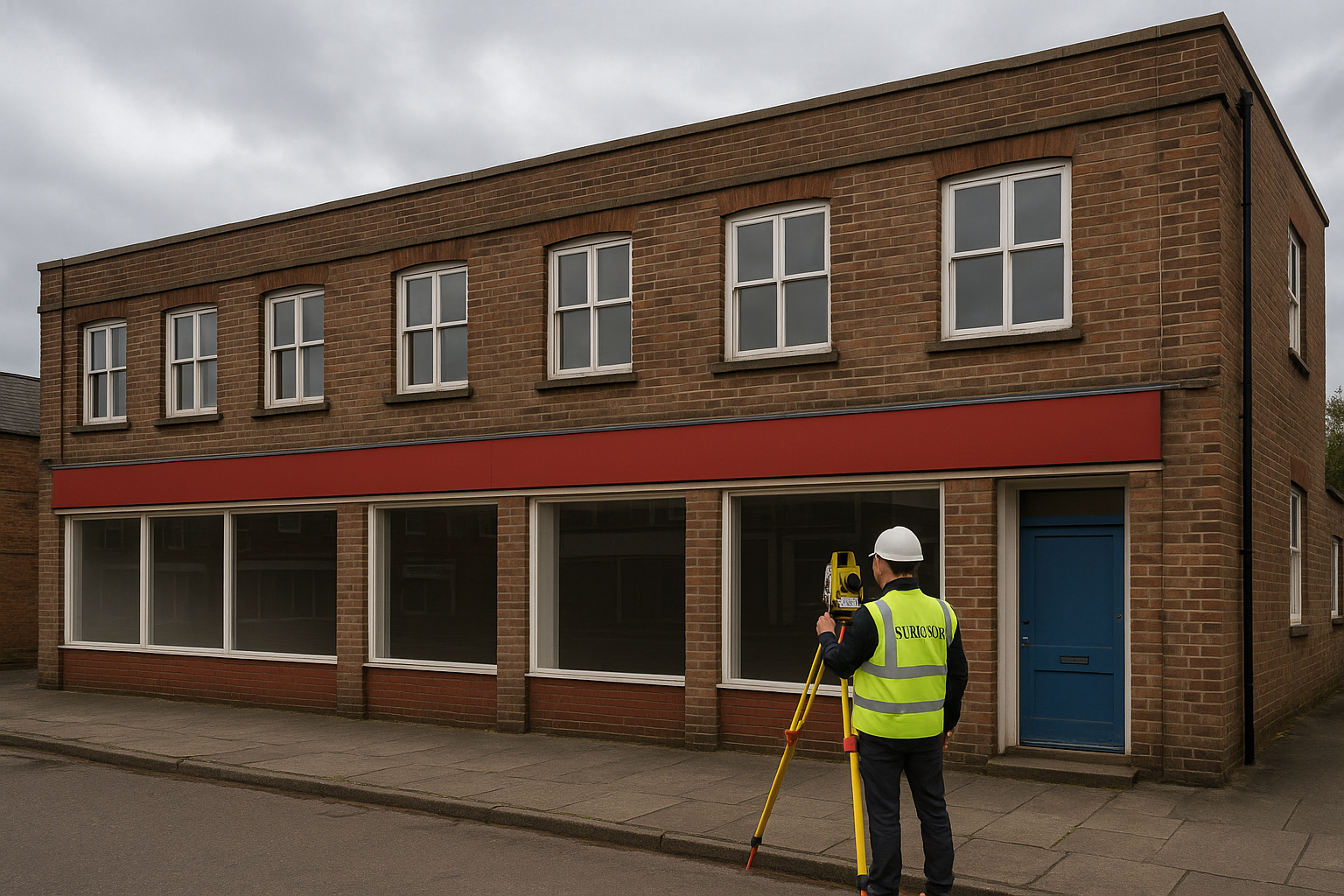
If you are responsible for non-domestic premises, or the common parts of domestic buildings, you may have a duty to manage asbestos. That duty is practical, not theoretical.
Core dutyholder responsibilities
Under the Control of Asbestos Regulations, dutyholders are expected to:
- Take reasonable steps to find out whether asbestos is present
- Presume materials contain asbestos unless there is strong evidence they do not
- Assess the risk from identified or presumed asbestos-containing materials
- Keep an up-to-date record of location and condition
- Prepare and implement an asbestos management plan
- Provide information to anyone liable to disturb asbestos
- Review and monitor materials over time
HSG264 supports the survey process used to identify asbestos-containing materials. HSE guidance makes it clear that good asbestos management is about preventing exposure in practice, not simply filing a report and moving on.
When a survey is needed
If a building is occupied and you need to understand asbestos risks during normal use and routine maintenance, an asbestos management survey is usually the starting point.
If you are planning intrusive works, that is a different situation. Before major strip-out or structural alteration, you may need a demolition survey so hidden asbestos can be identified in the areas affected.
What to do if you suspect asbestos in a building
When suspect materials turn up on site, speed matters, but so does control. The right first steps can prevent a minor concern becoming a major contamination issue.
- Stop work immediately if the material is being disturbed.
- Keep people away from the area if fibres may have been released.
- Do not sweep, vacuum, drill or break the material.
- Check existing records such as surveys, registers and previous sample results.
- Arrange competent assessment through survey or sampling.
- Decide on management or removal based on the material, condition, location and planned works.
That process is far safer than trying to identify materials by eye. Many products look harmless until they are sampled or inspected properly.
If you need to confirm whether a specific material contains asbestos, targeted asbestos testing can often provide a clear answer quickly.
Survey, testing and removal: choosing the right route
Not every asbestos issue needs the same response. The right option depends on what you are trying to achieve, how much information you already have, and whether work is planned.
When a survey is the best option
A survey is usually the right choice when you need a wider understanding of asbestos risk across a property. That might include offices, schools, shops, industrial units, communal areas, or mixed-use buildings.
If you need local support in the capital, a dedicated asbestos survey London service can help you move quickly and keep projects on track.
When sampling and testing are the best option
If there is one suspect material and you need a yes-or-no answer, sampling can be more efficient than commissioning a full survey. This is common before minor works, maintenance tasks, or contractor attendance.
Some clients prefer to submit samples for sample analysis where the material can be taken safely and legally. Others choose an asbestos testing kit for straightforward situations, although that should only be considered if the sampling can be done without creating risk.
There is also a simple testing kit route for limited sample submissions. If there is any doubt about safe sampling, bring in a professional rather than taking chances.
Where you need a dedicated service for identification and reporting, this separate asbestos testing page provides another route to laboratory-led support.
When removal is the best option
Removal is not always the starting point. Many asbestos-containing materials can remain in place if they are in good condition, properly recorded, and unlikely to be disturbed.
Removal becomes more likely where materials are damaged, deteriorating, in a vulnerable location, or directly affected by planned works. In those cases, professional asbestos removal may be the safest and most practical route.
Common mistakes that create asbestos risk
Most asbestos incidents are not caused by the material suddenly becoming more dangerous. They happen because someone makes an avoidable decision under time pressure.
Watch for these common mistakes:
- Assuming a material is safe because it looks solid or painted
- Relying on memory instead of checking the asbestos register
- Using an old report that no longer reflects the building layout or condition
- Starting refurbishment before the correct intrusive survey work is complete
- Letting contractors begin without asbestos information
- Trying to take samples without understanding the risk
- Ignoring minor damage because it does not look urgent
Each of these can lead to exposure, contamination, project delays, and possible enforcement action. Good asbestos management is usually less about complex theory and more about disciplined basics.
Practical advice for property managers and dutyholders
If asbestos management sits on your desk, the best system is one that works in the real world. You do not need to become a surveyor, but you do need reliable information and a clear process.
Keep your asbestos information live
A report is only useful if it feeds into day-to-day management. Make sure your register is accessible, your management plan is current, and any reinspection arrangements are actually happening.
If rooms have been refurbished, layouts changed, or materials damaged since the last survey, update the records. Stale information is one of the biggest causes of poor decisions.
Brief contractors before they start
Anyone likely to disturb the fabric of the building should receive the relevant asbestos information before work begins. Do not assume a contractor will ask for it.
Make this part of your permit-to-work, induction, or job release process. It is much easier to prevent accidental disturbance than to deal with the aftermath.
Match the survey to the work
A management survey is not a substitute for an intrusive pre-refurbishment or pre-demolition survey. If the planned works involve opening up walls, ceilings, risers, ducts, plant areas or floor voids, make sure the survey scope reflects that.
Using the wrong survey type is one of the most common and costly asbestos mistakes in project planning.
Do not confuse low disturbance with low risk
Small maintenance jobs often create asbestos exposure because people assume the task is too minor to matter. Drilling one hole, lifting one panel, or chasing one cable route can be enough to disturb asbestos-containing materials.
Treat every job that affects the building fabric as a trigger to check asbestos information first.
Why wording matters when people search for asbestos answers
The phrase asbestos can be dangerous but is not a known carcinogen. true false may look like a simple quiz question, but it reveals a bigger problem. People often separate “dangerous” from “carcinogenic” as though they are different categories.
With asbestos, they overlap. The danger is not limited to nuisance dust, irritation, or general contamination. The danger includes a recognised cancer risk, which is why asbestos control is taken so seriously in UK law and guidance.
If you manage buildings, the practical lesson is clear: never let uncertainty turn into assumption. If a material could contain asbestos, pause and verify before anyone disturbs it.
When to get professional help
You should bring in competent asbestos support when:
- You do not have reliable asbestos records for the building
- Contractors are about to start maintenance, refurbishment, or strip-out work
- A suspect material has already been damaged
- You need laboratory confirmation of a sample
- You are unsure whether management in situ is still suitable
- You need removal planned safely and lawfully
Trying to save time by guessing nearly always creates more cost later. A short delay for proper assessment is far better than contamination, site closure, or emergency remedial work.
Get expert asbestos support from Supernova
If you need clear advice, fast sampling, or a properly scoped survey, Supernova Asbestos Surveys can help. We carry out asbestos surveys, testing, sample analysis, and removal support for clients across the UK.
Call 020 4586 0680 or visit asbestos-surveys.org.uk to arrange the right service for your property. Whether you need a management survey for an occupied building, testing for a suspect material, or support before refurbishment or demolition, Supernova can guide you to the safest next step.
Frequently Asked Questions
Is the statement asbestos can be dangerous but is not a known carcinogen true or false?
It is false. Asbestos is a known carcinogen and is associated with serious diseases including mesothelioma and lung cancer.
Are only some types of asbestos harmful?
No. All asbestos types are hazardous. Some may be associated with different products or levels of friability, but none should be treated as safe.
If asbestos is in good condition, does it always need to be removed?
No. Some asbestos-containing materials in good condition can be managed in place. They still need to be identified, recorded, monitored, and protected from disturbance.
What should I do if a suspect material is accidentally disturbed?
Stop work, keep people away, avoid further disturbance, check any asbestos records, and arrange competent assessment as quickly as possible.
Do I need a survey or just testing?
If you need to understand asbestos risk across a property, a survey is usually the right choice. If you have one specific suspect material and need confirmation, targeted testing may be enough.