
Calling asbestos overblown sounds sensible right up until someone drills into a ceiling, opens up a riser, or strips out old floor tiles and releases fibres they cannot see. That is the real problem with the phrase. It turns a serious, well-documented hazard into a judgement call, and in property management that is exactly how exposure happens.
There is a reason asbestos is still tightly regulated in the UK. The risk is not based on rumour, media panic, or a few extreme cases. It is based on decades of evidence, clear HSE guidance, and the simple fact that asbestos-related disease is still a live issue in buildings, refurbishment projects, plant rooms, schools, offices, and industrial sites across the country.
At the same time, sensible asbestos management is not about panic. It is about proportionate action. Not every asbestos-containing material needs urgent removal, but every suspected material needs to be identified, assessed, and managed properly under the Control of Asbestos Regulations and HSG264.
Why the idea of asbestos overblown keeps resurfacing
The argument usually starts with a grain of truth. Different asbestos products do present different levels of risk. A sealed asbestos cement sheet in good condition is not the same as damaged pipe lagging or sprayed coating. That difference matters.
Where people go wrong is stretching that point into a broader claim that asbestos risk has been exaggerated. In practice, the phrase asbestos overblown is often used to justify skipping surveys, delaying maintenance decisions, or carrying out work before anyone knows what is in the building fabric.
Common reasons the idea persists include:
- People assume only heavy industrial exposure ever caused disease
- They believe white asbestos was harmless or nearly harmless
- They think a material is safe because it looks solid
- They confuse managing asbestos in place with ignoring it
- They focus on removal costs rather than exposure risk
- They rely on visual guesses instead of testing
For a dutyholder or property manager, that mindset creates avoidable liability. If a contractor disturbs asbestos because the building information was incomplete, the issue is no longer theoretical.
What the science actually says about asbestos risk
If someone claims asbestos overblown, the first thing to say is this: not all asbestos materials carry the same risk, but all asbestos types are hazardous. That is the practical position reflected in UK law and HSE guidance.
Asbestos becomes dangerous when fibres are released and inhaled. Those fibres are microscopic, can stay airborne, and may lodge in the lungs. The health effects are linked to the type of fibre, the amount released, the duration of exposure, and the nature of the work carried out.
Different fibre types do not mean safe fibre types
You will often hear that chrysotile, or white asbestos, is less dangerous than amphibole fibres such as amosite and crocidolite. Broadly speaking, fibre type does influence risk. But that does not make chrysotile safe, and it does not help anyone standing in a dusty room after disturbing a suspect material.
From a building management perspective, the distinction changes how a material may be assessed after sampling. It does not remove the need for caution, control measures, or competent advice.
Condition matters, but so does likelihood of disturbance
A low-risk product can become a serious issue if refurbishment work is planned. Equally, a material in poor condition may require urgent action even if no major works are scheduled. That is why asbestos decisions should never be based on age or appearance alone.
The practical questions are:
- What is the material?
- What condition is it in?
- Where is it located?
- Is it likely to be disturbed?
- Who could be exposed?
Those are survey questions, not guesswork.
There is no reliable visual shortcut
You cannot identify asbestos by looking at it. Textured coatings, soffits, floor tiles, insulation board, cement sheets, rope seals, bitumen products and ceiling tiles can all look ordinary. The only way to confirm whether a suspect material contains asbestos is through asbestos testing carried out correctly.
What UK regulations require from property owners and dutyholders
The UK approach is not built around fear. It is built around control. The Control of Asbestos Regulations place legal duties on those responsible for non-domestic premises, and HSG264 sets out how surveys should be planned and undertaken.
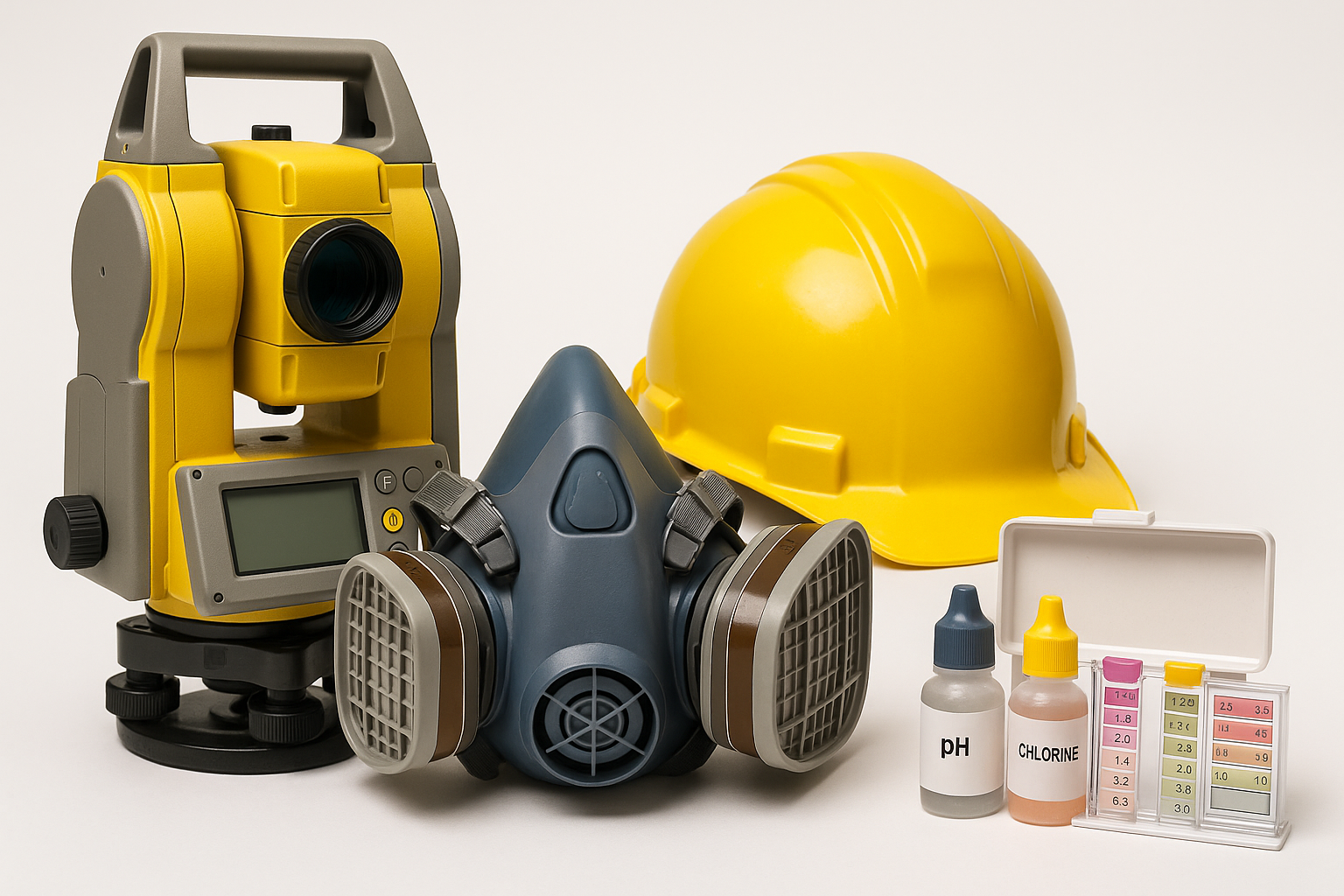
If you manage a commercial building, mixed-use site, school, office, warehouse, or communal area, you need more than assumptions. You need current asbestos information that is suitable for the way the property is being used.
The duty to manage is ongoing
Where asbestos-containing materials are present, or presumed to be present, they must be managed. That generally means:
- Identifying likely asbestos-containing materials
- Assessing their condition
- Recording their location
- Assessing the risk of disturbance
- Creating and maintaining an asbestos management plan
- Sharing relevant information with anyone liable to disturb the material
This is where a professional management survey comes in. It is designed to locate, as far as reasonably practicable, the presence and extent of asbestos-containing materials that could be damaged or disturbed during normal occupation, including foreseeable maintenance.
Refurbishment and demolition need different surveys
One of the most costly mistakes is relying on a management survey before intrusive works. That is not what it is for. If the building fabric will be disturbed, the survey scope must match the work.
Before refurbishment, a refurbishment survey is required to identify asbestos in the areas affected by the planned works. It is intrusive by design because hidden materials behind walls, above ceilings, within risers, and inside service voids are often the ones that create exposure during strip-out.
If a building is coming down, a demolition survey is needed. This is even more intrusive and aims to identify asbestos-containing materials throughout the structure so they can be dealt with before demolition proceeds.
Known asbestos must be checked again
Finding asbestos once is not the end of the process. Materials age, occupancy changes, maintenance teams come and go, and accidental damage happens. A regular re-inspection survey helps confirm whether previously identified materials remain in the same condition and whether the management plan still reflects reality on site.
Common misconceptions that make asbestos overblown sound believable
The phrase asbestos overblown gains traction because it borrows from half-truths. Here are the misconceptions that cause the most trouble in real buildings.
“If it has been there for years, it cannot be that dangerous”
Age does not make asbestos harmless. It may actually increase the chance of deterioration, damage, or disturbance from maintenance. Old service ducts, boiler rooms, ceiling voids and plant areas are classic examples where materials remain unnoticed until work begins.
“Only licensed removal work is a concern”
Licensed work is only part of the picture. Some lower-risk tasks may be non-licensed or notifiable non-licensed work, but they still require proper controls, trained operatives, suitable equipment, and compliant waste handling. Treating non-licensed work as casual DIY is a serious mistake.
“A small amount will not matter”
There is no useful on-the-spot way to judge the significance of a release once a suspect material has been disturbed. A small broken panel of asbestos insulating board can present a far greater risk than a larger intact cement sheet. Material type matters more than assumptions about size.
“We can just remove everything and be done with it”
Removal is sometimes necessary, but not always the best first option. Poorly planned removal can create more fibre release than careful management in place. The correct decision depends on the product, condition, accessibility, occupancy, and planned works.
Where removal is appropriate, it should be handled through competent, compliant asbestos removal arrangements rather than a rushed maintenance job.
“We do not need a survey because nobody has reported asbestos”
Asbestos is not identified through complaints. It is identified through surveys, sampling, records, and competent inspection. Plenty of buildings contain asbestos with no visible warning signs at all.
When asbestos can be managed in place safely
Not every asbestos-containing material needs stripping out. In many occupied buildings, the safest and most proportionate approach is to leave suitable materials in place and manage them properly.
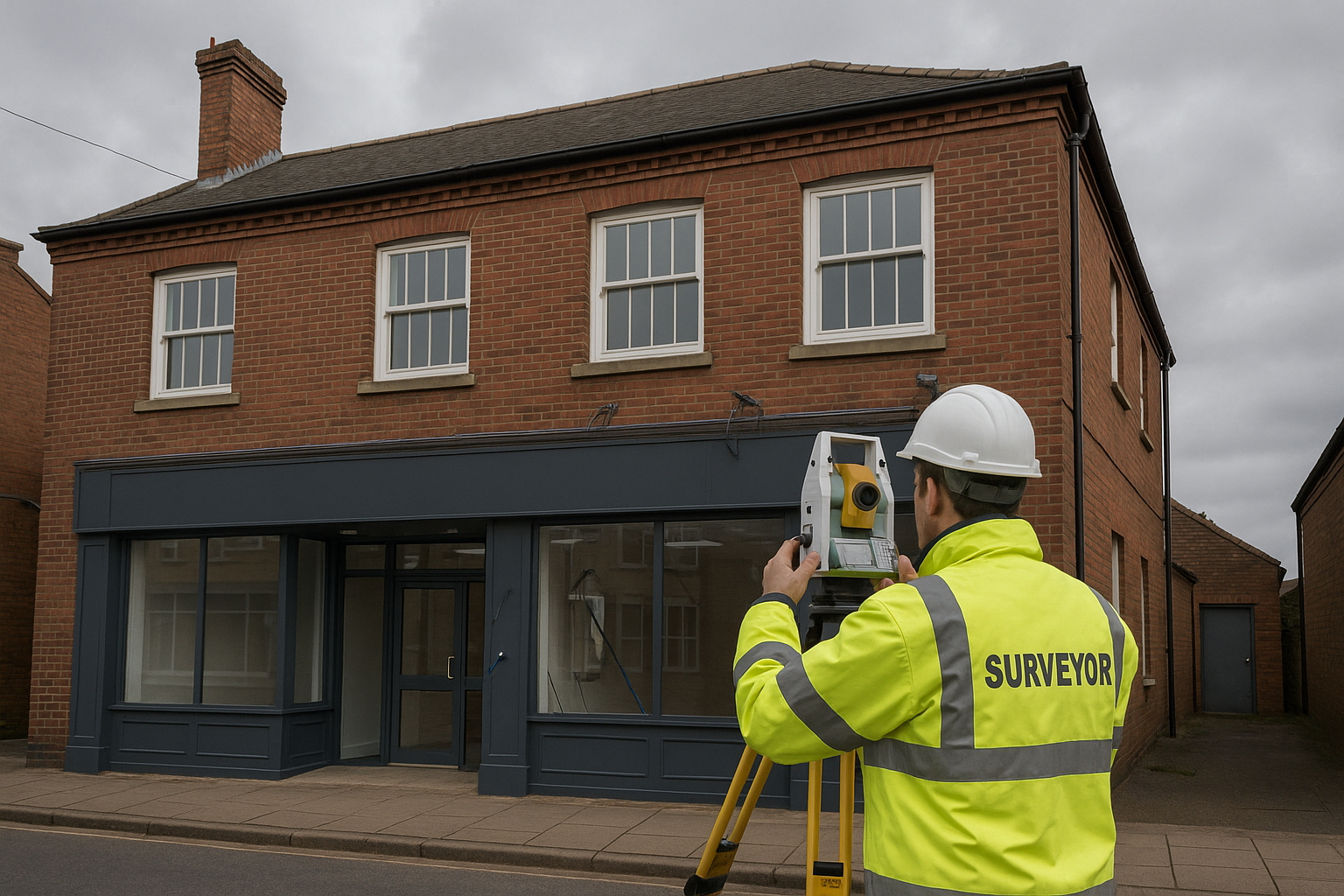
That usually applies where the material:
- Is confirmed or presumed asbestos-containing
- Is in good condition
- Is sealed or enclosed
- Is unlikely to be damaged
- Will not be disturbed by normal occupancy or foreseeable maintenance
Managing in place is not the same as forgetting about it. It should involve clear records, labelling where appropriate, contractor communication, periodic checks, and review after any changes to occupancy or building use.
If you are unsure what a material is, laboratory confirmation matters. For isolated suspect items, sample analysis can confirm the presence and type of asbestos so you can make an informed decision rather than rely on guesswork.
When asbestos needs testing, removal, or urgent action
If a material is damaged, friable, likely to be disturbed, or located in an area due for work, the risk picture changes quickly. This is where practical decision-making matters more than opinions about whether asbestos overblown is a fair phrase.
Situations that should trigger immediate review include:
- Planned refurbishment, strip-out or demolition
- Damage to ceiling tiles, boards, lagging or textured coatings
- Water leaks affecting known asbestos materials
- Repeated access by contractors in plant or service areas
- Changes in occupancy or building layout
- Discovery of suspect materials with no asbestos register in place
Testing before work starts
If you need to confirm whether a suspect material contains asbestos, arrange proper sampling before any work proceeds. For homeowners or those dealing with a single suspect item, an asbestos testing kit can be a practical first step, provided the sampling instructions are followed carefully.
Some clients simply want a straightforward testing kit for an initial check on a small number of materials. That can help with early decision-making, but it does not replace a survey where legal duties or planned works require one.
For broader property needs, especially where multiple materials or rooms are involved, site-based asbestos testing is usually the better route because it gives you competent inspection and sampling in context.
What to do if asbestos is accidentally disturbed
Do not keep working and do not try to sweep it up dry. That is how contamination spreads.
Take these steps immediately:
- Stop work at once
- Keep people out of the area
- Avoid further disturbance
- Shut down air movement if safe to do so
- Report the incident to the responsible person
- Arrange competent assessment, sampling and clean-up advice
If contractors are on site, make sure the incident is recorded and that nobody re-enters until the area has been assessed properly.
Health effects: what is real, and what gets misunderstood
When people say asbestos overblown, they often mean the health effects have been exaggerated. That is not supported by the evidence used in UK occupational health and regulatory practice.
Asbestos exposure is associated with serious diseases including mesothelioma, asbestos-related lung cancer, asbestosis, pleural thickening and pleural plaques. These diseases can take decades to develop. That long latency period is one reason casual attitudes persist: the harm is not immediate, so people underestimate it.
Why brief exposure still matters
No one can tell you on the day of an incident whether fibres inhaled during a short exposure will later contribute to disease. Risk depends on multiple factors, including the material disturbed and the amount of fibre released. That uncertainty is exactly why prevention matters.
The sensible message is not panic after every minor incident. It is to avoid exposure wherever reasonably practicable and to investigate incidents properly rather than dismiss them.
Smoking and asbestos are a bad combination
Smoking does not cause mesothelioma, but it does increase the risk of lung disease and interacts badly with asbestos exposure in relation to lung cancer. For anyone with known occupational exposure history, that is worth discussing with a medical professional.
Practical advice for property managers, landlords and dutyholders
If you are responsible for a building, the most useful response to the asbestos overblown debate is a practical one. Do not argue in the abstract. Put the right controls in place.
Use this checklist:
- Check whether the building was constructed or altered during periods when asbestos use was common
- Make sure you have the correct survey for the building’s current use and any planned works
- Keep the asbestos register accessible and current
- Share asbestos information with contractors before they start
- Review known materials regularly
- Investigate damage immediately
- Never rely on visual identification alone
- Use competent surveyors, analysts and removal specialists
For landlords and managing agents, one further point matters: asbestos information should flow through the chain of responsibility. If a maintenance contractor, fit-out team or tenant’s tradesperson disturbs asbestos because information was not provided, that failure can have legal and financial consequences.
So, is asbestos overblown?
No. The better answer is that asbestos risk is often misunderstood.
It is not true that every asbestos-containing material is an emergency. It is also not true that asbestos concerns are exaggerated to the point of irrelevance. The real position sits in the middle: asbestos must be assessed properly, managed proportionately, and removed where necessary under the right controls.
That is how competent asbestos management works in the UK. It is calm, evidence-based, and firmly grounded in the Control of Asbestos Regulations, HSG264, and HSE guidance.
If you need clarity on suspect materials, planned works, or your legal duties as a dutyholder, Supernova Asbestos Surveys can help. We provide surveys, testing, re-inspections and support for safe next steps nationwide. Call 020 4586 0680 or visit asbestos-surveys.org.uk to book the right asbestos service for your property.
Frequently Asked Questions
Is asbestos overblown in modern property management?
No. The risk is real, but it needs to be managed proportionately. Some asbestos-containing materials can remain safely in place if they are in good condition and unlikely to be disturbed, but that decision should be based on survey findings and a management plan, not assumption.
Can you tell if a material contains asbestos just by looking at it?
No. Many asbestos-containing materials look identical to non-asbestos products. The only reliable way to confirm asbestos is through competent sampling and laboratory analysis.
Do I need a survey before refurbishment works?
Yes, if the planned works will disturb the building fabric in an area where asbestos may be present. A management survey is not enough for intrusive works. A refurbishment survey is required for the affected area.
Should all asbestos be removed immediately?
No. Removal is not always the safest or most proportionate option. Some materials are better managed in place if they are in good condition and unlikely to be disturbed. The right approach depends on the material, condition, location and planned activity.
What should I do if asbestos is accidentally disturbed?
Stop work immediately, keep people away, avoid further disturbance, and arrange competent assessment. Do not sweep, vacuum, or continue working in the area until proper advice has been obtained.