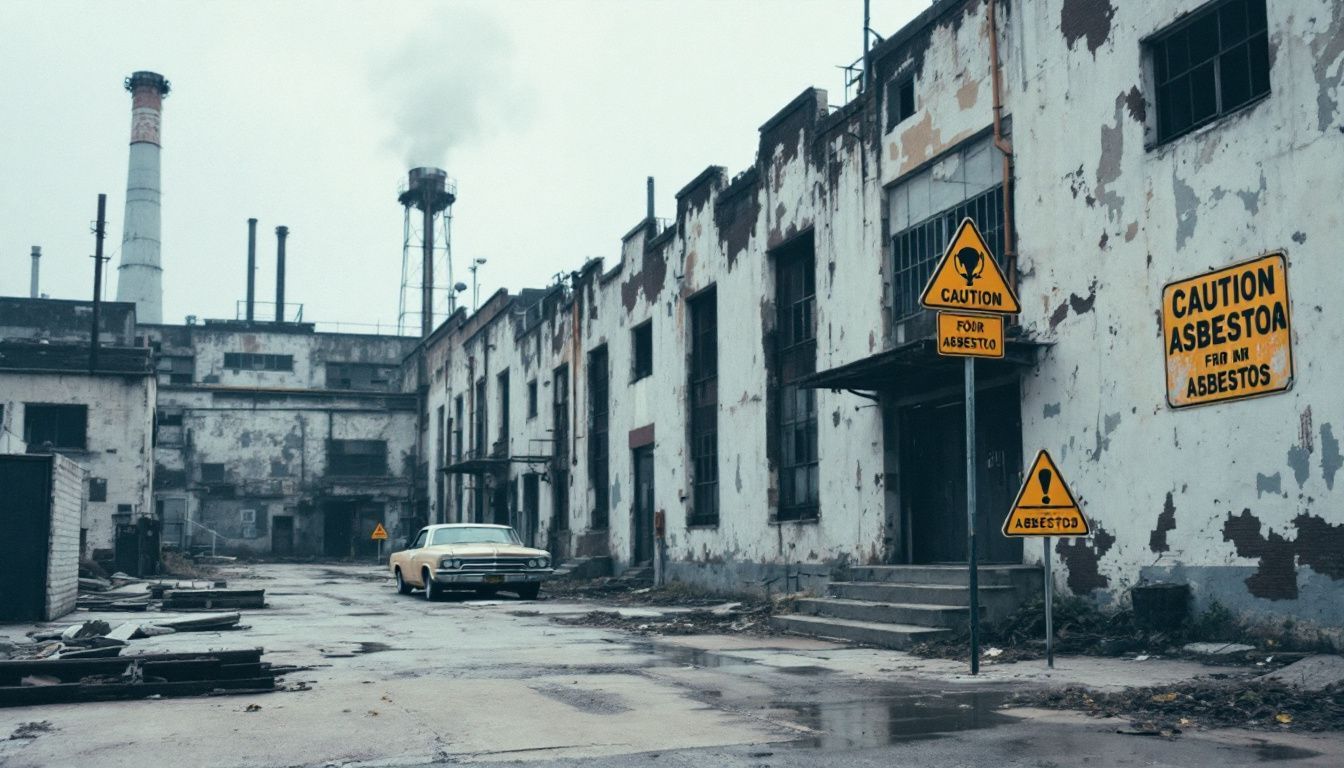
Asbestos Awareness Training Is One of the Most Important Public Health Tools in the UK
Asbestos kills around 5,000 people in the UK every year — more than any other single work-related cause of death. The material still lurks in millions of properties built before 1999, hidden in walls, ceilings, pipe lagging, and floor tiles. Understanding how asbestos awareness training contributes to the overall health and well-being of UK residents is not an abstract exercise — it is a matter of life, death, and the long-term protection of entire communities.
The problem has never been asbestos sitting undisturbed. The danger begins the moment someone drills, cuts, sands, or scrapes a material without knowing what it contains. Training is what stands between that moment of ignorance and a potentially fatal exposure.
Why Asbestos Awareness Training Is a Public Health Issue, Not Just a Workplace Obligation
It is tempting to frame asbestos awareness training purely as a health and safety tick-box for employers. That framing is far too narrow.
When a tradesperson disturbs asbestos-containing materials (ACMs) without knowing what they are dealing with, the consequences do not stay in the room where the work happened. Fibres become airborne. They settle on clothing, tools, and surfaces. They travel through ventilation systems and reach building occupants, neighbouring properties, and in some cases the homes of workers who carry contamination back with them.
Asbestos awareness training — when embedded across an entire workforce — creates a protective effect that radiates outward into the wider community. The diseases caused by asbestos exposure have latency periods of 20 to 60 years. Mesothelioma, asbestosis, asbestos-related lung cancer, and pleural thickening do not announce themselves immediately.
By the time a diagnosis is made, the exposure that caused it may have happened decades earlier. There is no cure for mesothelioma — prevention is the only meaningful intervention, and training is the mechanism through which prevention becomes possible at scale.
Who Needs Asbestos Awareness Training in the UK?
Under the Control of Asbestos Regulations, employers are legally required to ensure that any worker who may encounter ACMs during their work receives appropriate training. The range of roles covered is broader than most people assume.
Trades and Professions That Require Training
- Electricians, plumbers, and gas engineers working in older buildings
- Carpenters, joiners, and general builders
- Plasterers, painters, and decorators
- Heating and ventilation engineers
- Surveyors, architects, and project managers involved in refurbishment
- Facilities managers and building maintenance staff
- Local authority housing officers
- Demolition workers
Self-employed tradespeople are not exempt. If you work in environments where ACMs are likely to be present, you have both a legal and moral duty to ensure you are trained appropriately.
Even office-based staff in buildings with a known asbestos register benefit from awareness-level training. Understanding what not to disturb — and how to report concerns — is genuinely valuable, and it contributes directly to the safety of everyone sharing that building.
The Legal Framework Behind Asbestos Awareness Training
The Control of Asbestos Regulations sets out clear legal obligations for duty holders. Employers must identify whether ACMs are present in their premises and maintain an up-to-date asbestos register. They must assess the risk those materials pose, develop a written asbestos management plan, and ensure that workers who may disturb ACMs receive suitable training before they begin work.
Ongoing refresher training — typically annual — is also a requirement, as is keeping records of all training completed. The Health and Safety Executive (HSE) takes asbestos breaches seriously. Prosecutions result in substantial fines, improvement notices, and in serious cases, custodial sentences for responsible individuals.
Beyond regulatory exposure, employers who fail to provide adequate training face civil claims from workers who develop asbestos-related diseases years later. The legal and financial consequences of non-compliance are significant — but they remain secondary to the human cost.
What Asbestos Awareness Training Actually Covers
Good asbestos awareness training is practical, not abstract. Workers should not come away reciting legislation — they should come away knowing exactly what to do, and what not to do, when they encounter a suspected ACM.
Recognising Asbestos-Containing Materials
Asbestos was used in hundreds of building products. Awareness training teaches workers to recognise the most common ACMs they are likely to encounter, including:
- Ceiling and floor tiles
- Pipe and boiler lagging
- Sprayed coatings on structural steelwork and ceilings
- Asbestos insulating board (AIB) used in partition walls, door linings, and fire breaks
- Roofing sheets and guttering, particularly cement-bonded asbestos
- Textured decorative coatings such as Artex applied before 2000
- Gaskets and rope seals in older heating equipment
- Vinyl floor tiles and the bitumen adhesive beneath them
Crucially, training reinforces that asbestos cannot be identified by sight alone. If materials are suspected, work must stop and a sample analysis must be completed by an accredited laboratory before any work proceeds.
Understanding the Risks at a Fibre Level
Workers learn how asbestos fibres become airborne, why they are so hazardous at a microscopic level, and which types of asbestos carry different risk profiles. The distinction between chrysotile (white asbestos), amosite (brown), and crocidolite (blue) is covered, along with why disturbing any type of ACM without controls in place is unacceptable.
The Golden Rule: Stop and Check
This is where awareness training delivers its most direct protective benefit. Workers learn the golden rule: if in doubt, stop. Do not drill, cut, sand, scrape, or disturb any material until its asbestos status has been confirmed.
Training also covers how to check the asbestos register before starting work on a site, how to report suspected ACMs to supervisors or duty holders, and basic emergency procedures if asbestos is accidentally disturbed. Workers also learn when licensed contractors must be called in — a distinction that protects both them and everyone else in the building.
PPE and Decontamination Procedures
For workers who may carry out non-licensable work with asbestos, training covers the correct selection, use, and disposal of personal protective equipment — including respiratory protective equipment (RPE). Face-fit testing for RPE is a legal requirement and a key element of any practical training provision.
Decontamination procedures — how to remove and dispose of contaminated clothing and equipment without spreading fibres — are also essential. These steps protect not just the worker, but their family and anyone else who comes into contact with them after a job.
The Three Levels of Asbestos Training in the UK
Not everyone needs the same level of training. The HSE recognises three main categories, each matched to the level of risk a worker is likely to face.
Category A: Asbestos Awareness
Suitable for workers who do not work directly with asbestos but may inadvertently disturb it — the majority of tradespeople fall into this category. Training covers recognition, risks, and what to do if suspected ACMs are encountered.
Category B: Non-Licensable Work with Asbestos
For workers who may carry out short-duration, low-risk work with certain ACMs — such as drilling into an AIB panel or working with asbestos cement. This level includes practical handling and safety procedures in addition to awareness content.
Licensed Work Training
Workers employed by HSE-licensed asbestos removal contractors receive more intensive training specific to the controlled removal of higher-risk materials such as sprayed coatings and pipe lagging. Category B training does not replace Category A — workers moving up a level still need the foundational awareness knowledge.
How Refresher Training Sustains the Health Benefit Over Time
Asbestos awareness training is not a one-time event. HSE guidance is clear that refresher training should be provided regularly — annual refreshers are standard practice for most roles. Complacency is one of the most significant risk factors in asbestos-related incidents, and refresher training exists specifically to combat it.
Refresher training is an opportunity to:
- Update workers on any changes to legislation or HSE guidance
- Reinforce practical procedures that may have become routine and therefore overlooked
- Address specific incidents or near-misses from the workplace
- Introduce updates to the site’s asbestos register or management plan
Workers who have received higher-level training still benefit from regular refreshers. The assumption that they do not need it is a common — and potentially costly — mistake.
How Asbestos Awareness Training Contributes to the Overall Health and Well-Being of UK Residents Beyond the Workplace
The protective effect of asbestos awareness training extends well beyond the individual worker. When tradespeople understand how to avoid disturbing ACMs, they also protect:
- Building occupants — residents, staff, and visitors present during maintenance or refurbishment work
- Neighbouring properties — asbestos fibres released outdoors can travel and settle in adjacent areas
- Future occupants — improper disturbance of ACMs can leave residual contamination that persists for years
- Families of workers — secondary exposure through contaminated clothing has caused asbestos-related disease in people who never set foot on a building site
- Waste disposal facilities — asbestos waste that is not correctly classified and disposed of poses risks to facility workers and the wider environment
When an entire workforce across a sector — construction, facilities management, social housing — has a baseline understanding of asbestos risk, the cumulative public health benefit is substantial. Training is not just an individual safeguard. It is a population-level intervention.
Asbestos Awareness Training and Mental Well-Being
This aspect does not get discussed often enough. Workers who discover they may have been unknowingly exposed to asbestos — sometimes years after the event — experience genuine psychological distress. Anxiety, fear, and uncertainty about long-term health can seriously affect mental well-being, impacting sleep, relationships, and quality of life.
Proper training reduces these situations from occurring in the first place. When workers feel confident that they can identify and avoid risk, they are far less likely to face that anxiety later. Organisations that handle asbestos responsibly also protect themselves from the reputational and moral burden of having exposed their staff.
There is also a broader community dimension. When residents in older housing stock understand the basics of asbestos risk — that undisturbed materials are generally low risk, but that DIY work on certain surfaces carries real danger — they make safer decisions. Public awareness, even at a general level, reduces the number of accidental disturbances that occur outside of professional settings.
The Role of Professional Asbestos Surveys in Making Training Effective
Asbestos awareness training works best when workers have access to accurate, up-to-date information about the buildings they are working in. That means having a current asbestos register — and that requires a professional asbestos survey.
An management survey is the standard starting point for most occupied buildings. It identifies the location, condition, and risk rating of ACMs that are likely to be disturbed during normal occupancy and routine maintenance. This is the foundation document that allows a trained workforce to make informed decisions before they begin any work.
Without an accurate survey, even the best-trained worker is operating without the information they need. Training and surveying are not alternatives — they are complementary tools that work together to protect people.
Where ACMs are identified and found to be in poor condition or likely to be disturbed by planned works, professional asbestos removal by a licensed contractor is often the safest long-term solution. Removing the hazard eliminates the risk entirely, rather than managing it indefinitely.
Asbestos Awareness in Different Property Types and Regions
The need for asbestos awareness training is not confined to any single type of building or part of the country. Pre-2000 construction is found everywhere — from Victorian terraced housing to 1970s office blocks, from school buildings to NHS facilities.
In high-density urban areas, the concentration of older building stock makes asbestos awareness particularly critical. Workers carrying out refurbishment or maintenance in cities are statistically more likely to encounter ACMs simply because of the volume and age of the buildings they work in.
Supernova Asbestos Surveys operates nationally, with specialist teams covering major cities and their surrounding regions. If you need an asbestos survey in London, our surveyors are experienced across the capital’s diverse building stock — from Georgian townhouses to post-war commercial developments. For clients in the North West, our asbestos survey in Manchester service covers the full range of residential, commercial, and industrial properties across the region. In the Midlands, our asbestos survey in Birmingham team works with property managers, local authorities, and contractors across the city and beyond.
Wherever you are in the UK, having a current, UKAS-accredited survey in place is the foundation that makes asbestos awareness training genuinely effective on the ground.
Practical Steps Every Duty Holder Should Take Now
If you are responsible for a building or a workforce that works in older properties, the following steps are not optional — they are the baseline of legal compliance and genuine duty of care.
- Commission a management survey if one does not already exist or if the existing one is out of date. The asbestos register must reflect the current condition of materials in the building.
- Ensure all relevant workers are trained at the appropriate level before they begin work in any building that may contain ACMs. Keep records of training completed.
- Schedule annual refresher training and do not allow it to slip. Complacency is the enemy of safe practice.
- Make the asbestos register accessible to every contractor and worker who needs it before they start any job on site.
- Act on survey findings. If ACMs are identified as high risk or likely to be disturbed, arrange for licensed removal rather than leaving the hazard in place.
- Review your management plan regularly — especially after any building works, changes in occupancy, or incidents involving suspected ACMs.
These steps are not burdensome. They are the minimum required to protect the people in your buildings and the workers you employ.
Frequently Asked Questions
How does asbestos awareness training contribute to the overall health and well-being of UK residents?
Asbestos awareness training reduces the likelihood of accidental disturbance of asbestos-containing materials, which is the primary cause of fibre release and subsequent exposure. By ensuring that workers across construction, maintenance, and facilities management can identify, avoid, and correctly report suspected ACMs, training prevents exposures that would otherwise go undetected for years. Given the 20 to 60-year latency of asbestos-related diseases, the health benefit of training today will be measured in lives saved over the coming decades. The protection extends beyond individual workers to building occupants, neighbouring residents, and the families of those who work in affected environments.
Is asbestos awareness training a legal requirement in the UK?
Yes. Under the Control of Asbestos Regulations, employers must ensure that any worker who is liable to disturb ACMs in the course of their work receives appropriate training before doing so. This applies to a wide range of trades and professions, including electricians, plumbers, builders, decorators, and facilities managers. Self-employed tradespeople are also covered. Failure to provide adequate training is a criminal offence and can result in prosecution, fines, and civil liability if a worker subsequently develops an asbestos-related disease.
How often does asbestos awareness training need to be refreshed?
HSE guidance recommends that refresher training is provided regularly, with annual refreshers being standard practice for most roles. The frequency reflects the fact that complacency is a genuine risk factor — workers who have not encountered asbestos recently may become less vigilant over time. Refresher training also provides an opportunity to update workers on any changes to legislation, HSE guidance, or the asbestos register for specific sites they work on.
Can asbestos awareness training replace a professional asbestos survey?
No. Training and surveying serve different but complementary functions. Training equips workers to recognise risk and respond appropriately. A professional asbestos survey provides the accurate, site-specific information — recorded in an asbestos register — that trained workers need to make safe decisions. Without a current survey, even a well-trained worker lacks the information required to work safely. Both are necessary components of an effective asbestos management approach.
What should I do if I suspect I have encountered asbestos during work?
Stop work immediately. Do not attempt to clean up any debris or dust without appropriate controls in place. Report the situation to your supervisor or the duty holder for the building. If a sample is required to confirm whether a material contains asbestos, this must be carried out by a competent person and sent for laboratory analysis — do not attempt to take samples yourself without training. If there is any possibility that fibres have been released, the area should be secured and a licensed contractor contacted to assess the situation.
Speak to Supernova Asbestos Surveys
Supernova Asbestos Surveys has completed over 50,000 surveys across the UK, working with property managers, local authorities, housing associations, schools, and commercial clients of every size. Our UKAS-accredited surveyors provide management surveys, refurbishment and demolition surveys, and sample analysis — giving you the accurate information that makes asbestos awareness training genuinely effective in your buildings.
If you need a survey, have concerns about ACMs in a property you manage, or want to discuss your asbestos management obligations, call us on 020 4586 0680 or visit asbestos-surveys.org.uk to find out more.