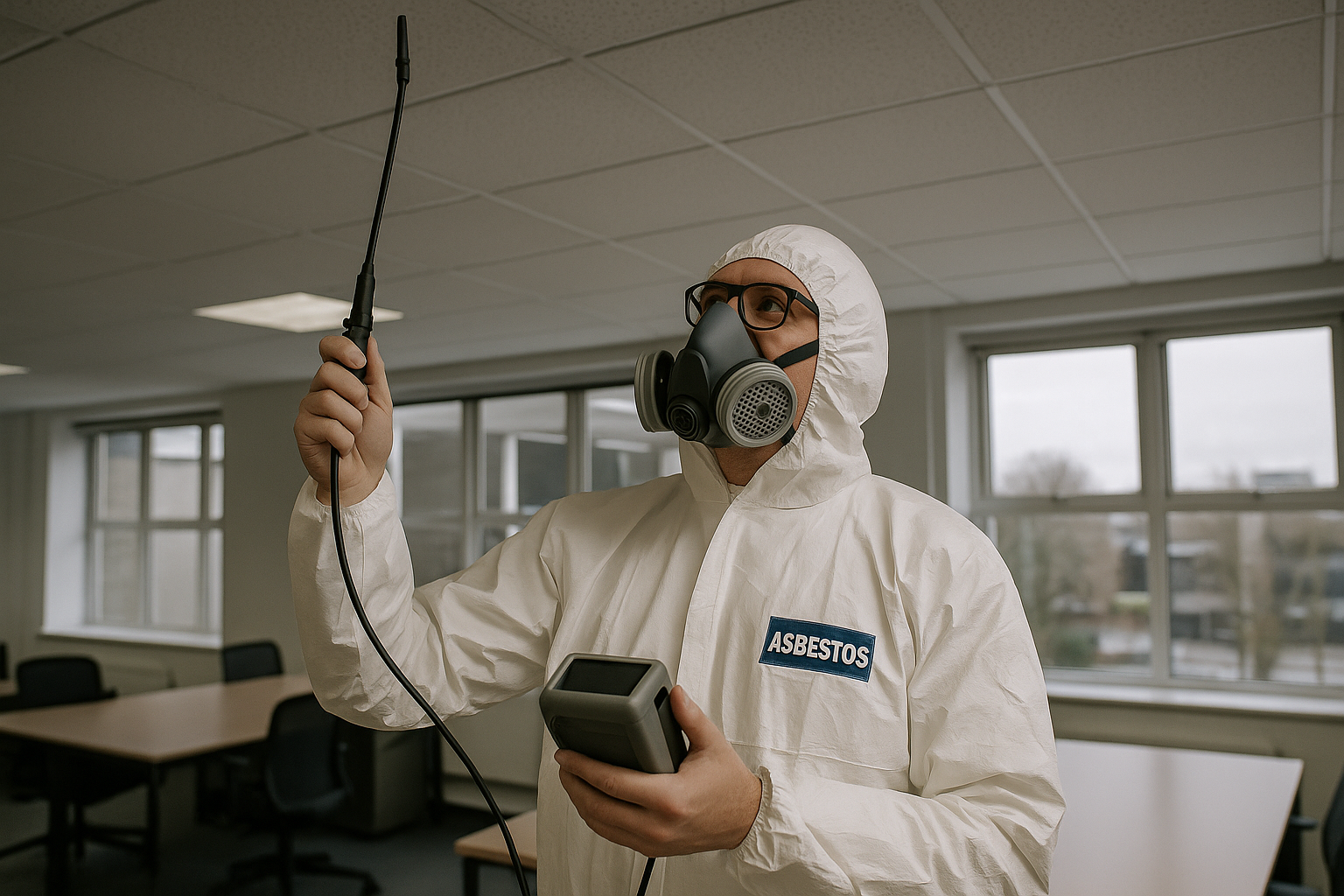
Asbestos was once treated as a miracle ingredient. It resisted heat, strengthened products and found its way into roofs, boards, lagging, floor tiles, gaskets and textiles. Today, the replacement of asbestos fibre is not simply a materials question. It is a practical issue of safety, legal compliance and sensible project planning for anyone managing property in the UK.
If your building was constructed or refurbished before 2000, assumptions are risky. Under the Control of Asbestos Regulations, supported by HSE guidance and HSG264, asbestos-containing materials must be identified and properly managed before work that could disturb them begins. That applies whether you are replacing a single panel, upgrading services or planning a full refurbishment.
Why the replacement of asbestos fibre still matters
The replacement of asbestos fibre still matters because asbestos was used in a huge range of products for very different reasons. There was never one universal substitute, and there still is not one now. The right alternative depends on the job the original asbestos product was doing.
In older premises, asbestos may be obvious, such as cement sheets or insulation board. It can also be hidden behind finishes, above ceilings, inside risers, beneath floor coverings or around plant and pipework. That is why replacement decisions should always start with identification rather than guesswork.
- Asbestos was used for heat and fire resistance
- It reinforced cement and composite products
- It improved thermal and acoustic insulation
- It appeared in passive fire protection systems
- It was used in friction products, gaskets and woven materials
For property managers and dutyholders, the practical message is simple. Modern work should use safer materials, but existing asbestos-containing materials must be located, assessed and managed before anyone drills, cuts, strips out or removes building elements.
Why safer alternatives are essential
Safer alternatives matter because inhaling asbestos fibres can cause serious disease, including mesothelioma, asbestos-related lung cancer and asbestosis. These illnesses often develop long after exposure, which is why prevention is so critical.
The replacement of asbestos fibre is therefore about much more than paperwork. It helps reduce avoidable exposure for maintenance teams, contractors, occupants and anyone carrying out routine tasks such as cabling, plumbing, decorating or minor repairs.
Modern materials also allow better specification. Instead of relying on a hazardous mineral fibre, you can choose products based on the exact performance required.
- Fire resistance
- Thermal insulation
- Acoustic control
- Mechanical strength
- Moisture resistance
- Chemical stability
- Ease of installation
- Whole-life cost
That approach usually leads to a safer and better-performing result. It also makes procurement more transparent, because products can be selected against tested performance rather than habit or assumption.
What made asbestos hard to replace?
Asbestos was difficult to replace because it combined several useful properties in one material. It was durable, heat resistant, chemically stable, flexible and easy to incorporate into cement, coatings, resins and woven products.
That is why the replacement of asbestos fibre has always involved a range of alternatives rather than one direct substitute. A material suitable for a cement sheet may be completely unsuitable for a gasket, insulation system or friction component.
Properties that drove asbestos use
- Resistance to heat and flame
- Useful thermal insulation
- Acoustic insulation
- Reinforcement in cement and composites
- Durability in harsh environments
- Suitability for friction products
- Ability to be woven into fabric-like forms
Good specification means matching the replacement material to the actual task. It does not mean assuming every non-asbestos product behaves in the same way.
Common materials used in the replacement of asbestos fibre
The best approach to the replacement of asbestos fibre starts with one question: what was the asbestos supposed to do? Once that is clear, you can choose a suitable alternative with the right technical performance.
Mineral wool and glass wool
Mineral wool, including rock wool and glass wool, is widely used for thermal and acoustic insulation. It is common in roofs, partitions, service voids and ductwork where good fire performance is needed.
These products are among the most familiar substitutes in modern construction. They are especially useful where insulation and fire resistance need to work together.
Cellulose fibre
Cellulose fibre is used in some insulation products and modern fibre cement materials. It can be derived from processed plant material or recycled paper, providing reinforcement without the health risks associated with asbestos.
Polyvinyl alcohol and other synthetic fibres
Polyvinyl alcohol fibres, polypropylene fibres and similar synthetics are often used in fibre cement sheets and boards. They help improve strength, crack resistance and durability in products that once relied on asbestos reinforcement.
Aramid fibres
Aramid fibres are used where high strength, heat resistance and wear resistance are required. They are commonly found in friction materials and specialist industrial products.
Wollastonite and other mineral substitutes
Wollastonite is a calcium silicate mineral used in some paints, plastics, friction products and construction materials. In the right application, it can improve reinforcement and dimensional stability.
Ceramic and refractory fibres
Very high-temperature environments may use ceramic fibres and related refractory materials. These can perform well under intense heat, but they still need careful specification and handling.
Safer than asbestos does not automatically mean risk-free in every setting. Always review manufacturer instructions, exposure risks during installation and whether specialist controls are needed.
Replacement of asbestos fibre in construction
The construction sector has seen the broadest shift away from asbestos because asbestos was once built into so many products. The replacement of asbestos fibre in buildings depends on understanding the original function and selecting a tested alternative that meets the same performance requirements safely.
Roofing, cladding and cement products
Modern fibre cement sheets and boards have largely replaced asbestos cement products. These are usually reinforced with cellulose, synthetic fibres or blended systems designed for strength and durability.
Typical uses include:
- Corrugated roofing sheets
- Flat cladding panels
- Soffits and fascias
- Backing boards
- Rainwater goods
Thermal insulation
Where asbestos insulation was once used, projects now tend to specify mineral wool, calcium silicate boards, foam insulation systems or other tested products depending on the thermal and fire requirements.
The correct choice depends on the exact location, the fire strategy and the installation detail. Always check technical data and tested performance rather than relying on appearance.
Fire protection
Passive fire protection no longer relies on asbestos. Specifiers now use tested boards, wraps, sealants, collars and sprays designed for specific penetrations and assemblies.
One rule matters here: never assume one fire-rated product can replace another without review. Fire performance depends on the full system, not just one component.
Flooring, coatings and hidden materials
Asbestos was once added to vinyl floor tiles, bitumen adhesives and textured coatings. Modern products do not contain asbestos, but older materials may still be present beneath later finishes.
That is why survey work comes first. If your building is occupied and you need to identify likely asbestos risks during normal use, arranging a management survey is usually the right starting point.
Replacement of asbestos fibre in automotive settings
The replacement of asbestos fibre in automotive environments has focused on components exposed to friction and heat. Historically, asbestos was used in brake pads, clutch facings, gaskets and heat-resistant parts.
Modern non-asbestos alternatives are designed to provide reliable performance under repeated stress. Even so, older vehicles, imported parts and legacy stock can still create asbestos risks.
Common automotive substitutes
- Aramid fibres
- Glass fibres
- Carbon fibres
- Ceramic fibres in controlled applications
- Mineral fibres
- Metal fibres and metallic compounds
- Organic binders and fillers
Practical advice for workshops and fleet operators
- Check technical documentation for replacement parts, especially for older vehicles and plant
- Avoid dry brushing or compressed air on suspect brake and clutch assemblies
- Train staff to recognise legacy asbestos risks
- Use controlled inspection and cleaning methods where older components may be present
- Keep procurement records so product origin can be verified
If you manage workshops within older premises, do not overlook the building fabric. The replacement of asbestos fibre in equipment does not remove the need to assess walls, ceilings, service ducts and plant rooms.
Replacement of asbestos fibre in textiles and industrial fabrics
Asbestos was once woven into gloves, blankets, seals and protective fabrics because it tolerated heat and flame. The replacement of asbestos fibre in textile applications has relied on materials that can perform under thermal stress without carrying the same health legacy.
Common textile alternatives
- Aramid fibres for protective clothing and heat-resistant fabrics
- Glass fibre textiles for insulation wraps and specialist industrial use
- Ceramic fibre fabrics for very high-temperature applications
- Treated natural and synthetic blends for lower-risk thermal tasks
Temperature resistance should never be the only selection factor. Also consider flexibility, abrasion resistance, maintenance requirements and whether fibres may become airborne during cutting, wear or removal.
In older factories, workshops and plant rooms, asbestos textiles may still be present around ovens, boilers, pipework and fire protection systems. Before intrusive work starts in those areas, a refurbishment survey should be carried out in the affected area.
How to choose the right replacement material
The replacement of asbestos fibre should never be approached as a like-for-like swap based on appearance. What matters is performance, installation method, maintenance demands and the surrounding environment.
A sensible selection process usually includes:
- Identify the original product and its function. Was it there for insulation, reinforcement, fire protection, sealing or wear resistance?
- Confirm whether asbestos is actually present. Do not rely on age or visual inspection alone.
- Review the required performance. Consider temperature, moisture, loading, acoustics and fire rating.
- Check compatibility. The new product must work with adjacent materials and the wider system.
- Assess installation risk. Some alternatives may still require dust control, PPE or specific handling methods.
- Keep records. Product data, survey findings and installation details should be retained for future maintenance.
This is where many projects go wrong. People focus on what they want to install next and skip the step of confirming what is already there. That can lead to delays, unexpected costs and unsafe disturbance of asbestos-containing materials.
Why surveys come before replacement work
Before any replacement of asbestos fibre can be planned properly, you need reliable information about the building. Surveying is the basis for safe decision-making.
The correct survey depends on what is happening at the property:
- Normal occupation and routine maintenance: a management survey helps locate and assess asbestos-containing materials that could be disturbed during everyday use.
- Refurbishment, upgrades or intrusive works: a refurbishment survey is needed in the specific area where work will take place.
- Known asbestos left in place: periodic review is needed to confirm condition and update the asbestos register.
If asbestos has already been identified and remains in situ, a re-inspection survey helps confirm whether those materials are still in good condition or whether further action is required.
Practical advice for dutyholders is straightforward:
- Do not allow contractors to start intrusive work without the right asbestos information
- Make sure the asbestos register is current and accessible
- Share survey findings with anyone liable to disturb materials
- Review suspect areas before maintenance programmes begin
- Stop work immediately if unexpected suspect materials are uncovered
Are alternatives to asbestos more expensive?
Sometimes they are, sometimes they are not. The answer depends on the product, the application and the level of performance required.
Some specialist substitutes cost more upfront than asbestos once did, but that comparison misses the real issue. The apparent cheapness of asbestos never accounted for disease risk, enforcement action, remediation, disposal, delays and the long-term burden of managing contaminated premises.
What to compare when assessing cost
- Installation time
- Product availability
- Maintenance needs
- Expected service life
- Fire and thermal performance
- Insurance implications
- Future removal and disposal costs
- Risk to workers and occupants
In most mainstream construction uses, the replacement of asbestos fibre is now standard practice rather than a specialist exception. The more expensive mistake is usually failing to identify asbestos before work starts.
How UK regulations affect the replacement of asbestos fibre
UK law does not just prohibit careless handling of asbestos. It places active duties on those responsible for non-domestic premises and on anyone planning work that could disturb asbestos-containing materials.
The Control of Asbestos Regulations require dutyholders to manage asbestos in non-domestic premises. HSE guidance and HSG264 explain how surveys should be planned, carried out and reported.
What dutyholders need to do
- Identify whether asbestos is present
- Assess its condition and the risk of fibre release
- Keep an asbestos register up to date
- Share information with anyone liable to disturb asbestos
- Arrange re-inspections where asbestos remains in place
- Commission the correct survey before intrusive work
For many property managers, the challenge is not understanding that asbestos is dangerous. It is making sure the right information is available at the right time, before a contractor opens up a ceiling, drills into a riser or strips out finishes.
If you manage sites across different regions, consistency matters. Whether you need an asbestos survey London, support for a property portfolio requiring an asbestos survey Manchester, or help arranging an asbestos survey Birmingham, the key is to use competent surveyors and act on the findings.
Common mistakes to avoid
The replacement of asbestos fibre often goes wrong because people treat it as a simple product swap. In reality, it is a process that starts with identification and ends with proper records, communication and ongoing management.
Watch out for these common mistakes:
- Assuming a material is asbestos-free because it looks modern
- Starting refurbishment without a targeted survey
- Relying on old survey information that does not cover the work area
- Failing to brief contractors on asbestos risks
- Ignoring hidden materials behind later refurbishments
- Choosing a substitute based only on price rather than tested performance
- Leaving known asbestos in place without re-inspection or condition checks
A short delay to verify asbestos information is usually far cheaper than a stop-work order, emergency sampling, contaminated waste issues or exposure concerns once work has started.
Practical steps for property managers and dutyholders
If you are responsible for a building, the safest approach to the replacement of asbestos fibre is methodical rather than reactive. Good planning reduces disruption and protects everyone on site.
- Review the age and history of the building.
- Check whether a current asbestos survey and register already exist.
- Match the survey type to the planned activity.
- Share asbestos information with contractors before they price or start work.
- Confirm whether materials will be managed in place or removed under the appropriate controls.
- Specify replacement materials based on tested performance, not assumptions.
- Update records once work is complete.
This approach keeps projects moving and helps avoid the last-minute surprises that so often cause delays during maintenance and refurbishment.
Frequently Asked Questions
What is meant by the replacement of asbestos fibre?
The replacement of asbestos fibre means using safer alternative materials in place of asbestos in products such as insulation, cement sheets, fire protection systems, gaskets and textiles. In existing buildings, it also means identifying any asbestos-containing materials before repair, refurbishment or removal work takes place.
Can I replace asbestos materials without a survey?
Not safely. If asbestos may be present, the correct survey should be carried out before work starts. For routine occupation and maintenance, a management survey is often appropriate. For intrusive work, a refurbishment survey is usually required in the affected area.
Is there one direct substitute for asbestos?
No. There is no single replacement for asbestos because asbestos was used for many different purposes. The right alternative depends on whether the original product was providing insulation, fire resistance, reinforcement, sealing or friction performance.
Are modern asbestos alternatives completely risk-free?
Not always. Modern alternatives are much safer than asbestos in this context, but some materials still require proper handling, dust control or specific installation methods. Always follow product guidance and assess the work activity, not just the material name.
What should I do if I suspect asbestos in an older building?
Do not disturb the material. Restrict access if needed, stop any planned work in that area and arrange a professional asbestos survey. Once the material is identified and assessed, you can decide whether it should be managed in place, monitored or removed under the proper controls.
If you need clear advice on the replacement of asbestos fibre, or you need a survey before maintenance, refurbishment or re-inspection, speak to Supernova Asbestos Surveys. We provide nationwide support for dutyholders, landlords, contractors and property managers. Call 020 4586 0680 or visit asbestos-surveys.org.uk to book the right survey and keep your project moving safely.