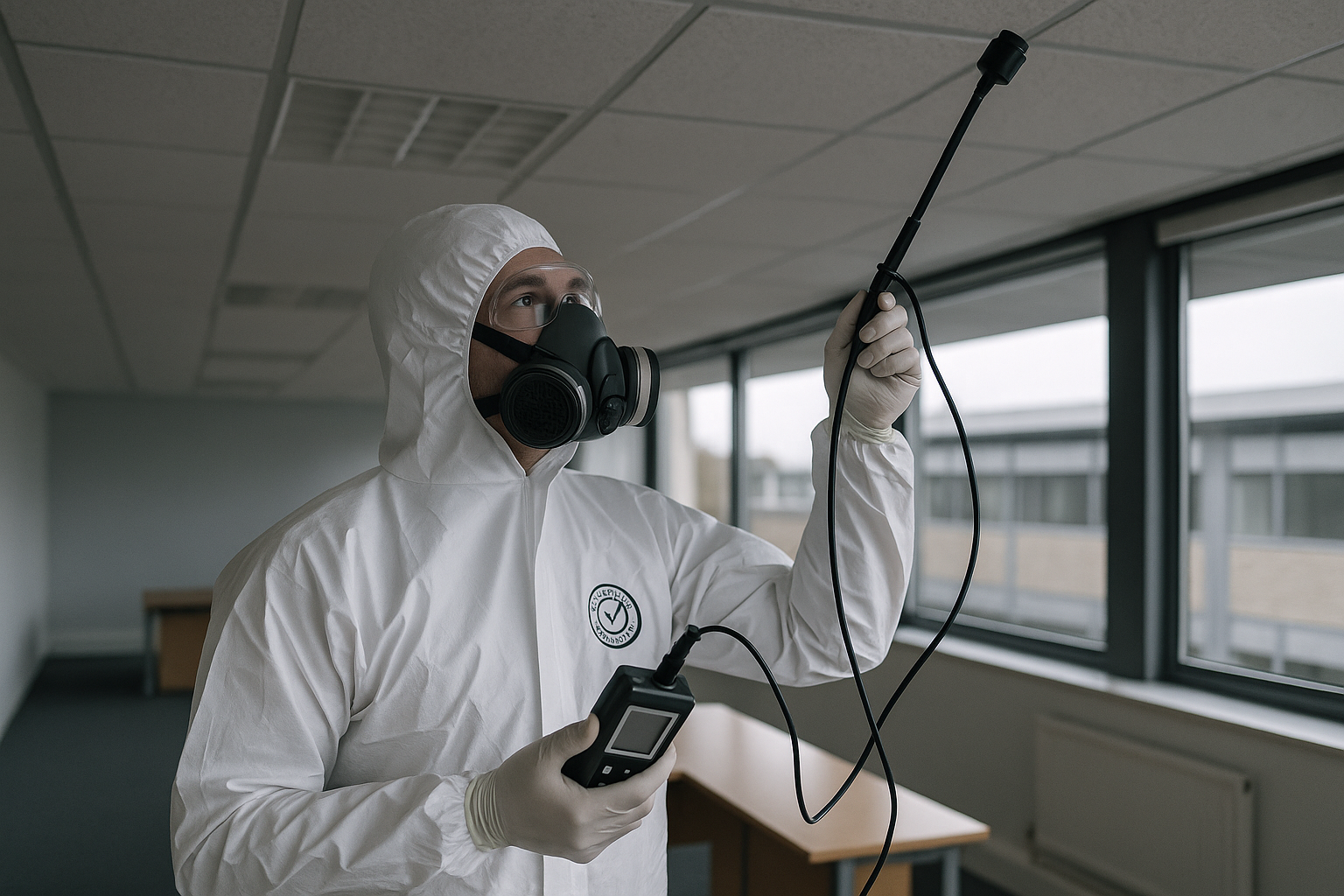
One hidden board behind a consumer unit or a single ceiling tile drilled without checking first can turn asbestos in construction from a paperwork issue into an immediate health and legal problem. Across the UK, asbestos still sits inside many older buildings, so anyone planning maintenance, refurbishment or demolition needs to treat it as a live risk, not a historic one.
The biggest mistake is assuming asbestos only matters on major projects. In reality, asbestos in construction affects routine jobs every day: cable runs, boiler replacements, ceiling works, strip-out, plant upgrades, flooring, roofing and general maintenance. If the building predates the asbestos ban, the safest working assumption is that asbestos may be present until a suitable survey or analysis proves otherwise.
Why asbestos in construction is still a daily issue
Although asbestos is no longer used in new building products, it remains in a vast number of existing premises. That means asbestos in construction still affects property managers, contractors, duty holders, principal designers and principal contractors on ordinary jobs as much as on large-scale schemes.
This is not a risk limited to one trade. Electricians, plumbers, decorators, joiners, roofers, telecoms engineers, maintenance teams and demolition crews can all disturb asbestos-containing materials during otherwise standard work.
For property managers, the practical message is straightforward: do not rely on memory, old labels or assumptions. If records are incomplete, out of date or unclear, pause the work and verify what is actually in the fabric of the building.
- Do not assume a previous refurbishment removed all asbestos
- Do not let intrusive work begin without the correct survey
- Do not treat unidentified materials as harmless
- Do not issue contractors to site without current asbestos information
- Do not confuse a management survey with a survey for refurbishment or demolition work
Those simple checks prevent exposure, avoid project delays and reduce the chance of enforcement action.
Where asbestos is commonly found in buildings
Good decisions start with knowing what you may be dealing with. When people think about asbestos in construction, they often picture garage roofs or pipe lagging. In practice, asbestos can be found in a wide range of products, including materials that look ordinary and harmless.
Common asbestos types
Surveyors and analysts generally refer to three main asbestos types found in UK buildings:
- Chrysotile – often called white asbestos, commonly found in cement sheets, textured coatings, floor tiles and some gaskets
- Amosite – often called brown asbestos, frequently associated with asbestos insulating board, ceiling tiles and thermal insulation products
- Crocidolite – often called blue asbestos, historically used in some sprayed coatings, insulation and specialist products
All asbestos must be taken seriously. The level of risk depends on the product, its condition, how easily fibres can be released and what work is planned nearby.
Typical locations on construction and maintenance projects
On UK sites, asbestos in construction is often encountered in:
- Asbestos cement roof sheets, wall cladding, soffits, gutters and downpipes
- Asbestos insulating board in partitions, risers, boxing, service cupboards and fire breaks
- Pipe lagging and old thermal insulation
- Textured coatings on walls and ceilings
- Vinyl floor tiles and bitumen adhesives
- Ceiling tiles and backing boards
- Bath panels, toilet cisterns and window boards
- Fire doors, rope seals and gaskets
- Plant room components and boiler insulation
- Sprayed coatings on structural steel or concrete
Friable materials such as lagging, sprayed coatings and damaged insulating board usually present a higher risk when disturbed than more bonded products like asbestos cement. That does not make bonded materials safe to drill, cut or remove without assessment.
If a material is unknown, the safest route is laboratory confirmation. Supernova can assist with sample analysis, or you can order a testing kit if you need to submit a suspect sample correctly before work starts.
The health risk from asbestos exposure
The danger from asbestos in construction comes from breathing in airborne fibres. You cannot see them, smell them or taste them, which is why accidental exposure is so common on poorly planned jobs.
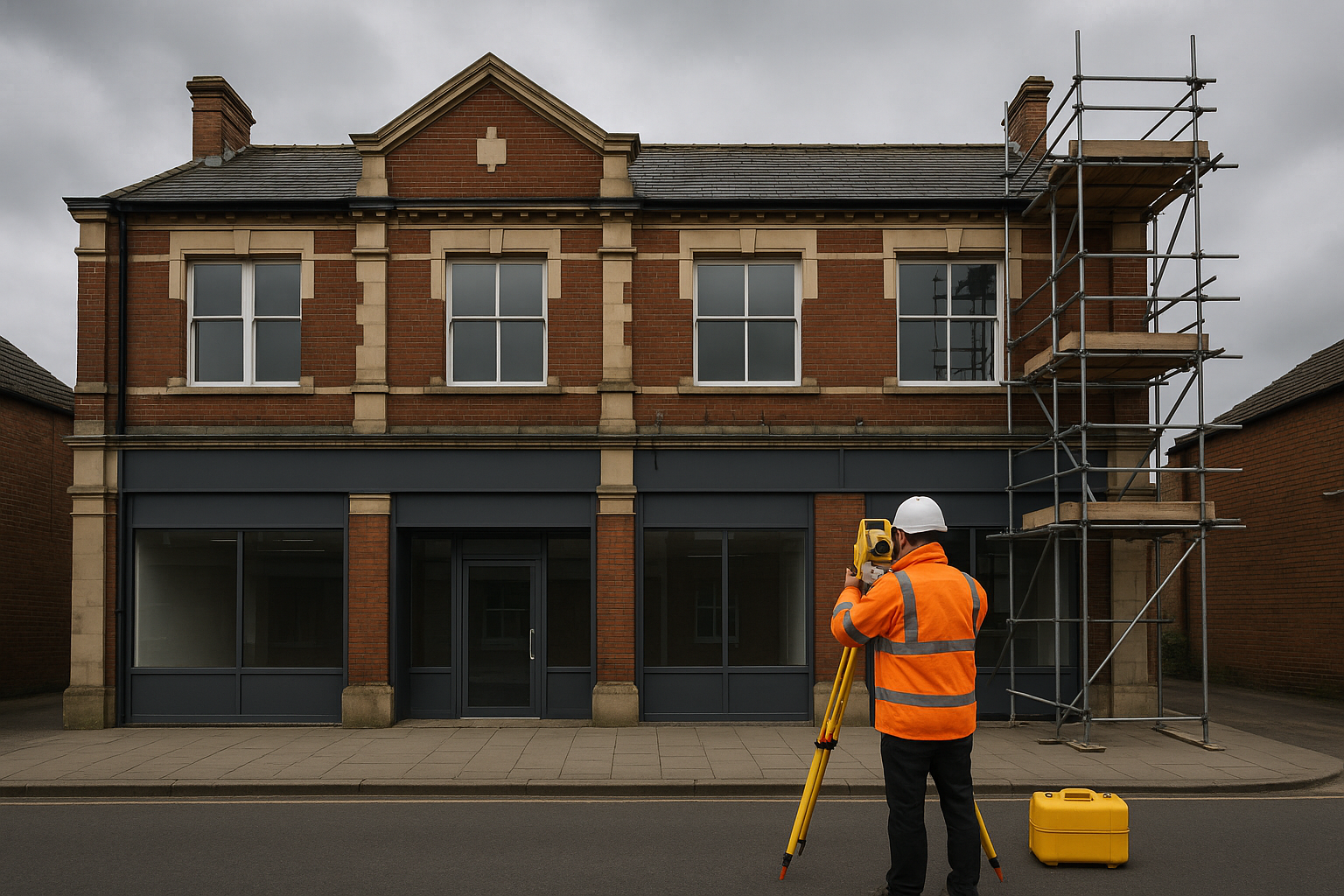
Diseases linked with asbestos exposure include mesothelioma, asbestos-related lung cancer, asbestosis and pleural thickening. These illnesses can take many years to develop, so the absence of immediate symptoms does not mean an exposure was minor or acceptable.
From a site management point of view, prevention is everything. Once fibres have been released, the problem is already harder and more expensive to control.
What workers and managers should do
- Identify asbestos before work starts
- Prevent disturbance wherever possible
- Use competent surveyors and analysts
- Use licensed contractors where the work requires it
- Stop work immediately if suspect materials are uncovered unexpectedly
- Isolate the area and prevent further access
- Record what was found and who may have been affected
Paper masks, rushed assumptions and verbal reassurance are not control measures. If there is any doubt, stop and get the material assessed properly.
Legal duties around asbestos in construction
The legal framework for asbestos in construction is clear. The Control of Asbestos Regulations place duties on those responsible for non-domestic premises and on employers whose staff may disturb asbestos during their work.
HSG264 sets out how asbestos surveys should be commissioned, carried out and reported. HSE guidance supports the practical side of identifying materials, managing risk, planning work and selecting competent people.
If you manage a commercial building, school, warehouse, office, retail unit or mixed-use site, your duty is not simply to hold a report. Your duty is to prevent exposure by making sure asbestos risks are identified, recorded, communicated and controlled.
What the duty to manage means in practice
If you are responsible for non-domestic premises, you should:
- Take reasonable steps to find out whether asbestos is present
- Record the location, extent and condition of asbestos-containing materials
- Assess the likelihood of those materials being disturbed
- Prepare and maintain an asbestos management plan
- Share relevant information with contractors, staff and anyone liable to work on the building
- Review records regularly and update them when changes occur
A report hidden in a filing cabinet does not protect anyone. Contractors need current information before they start, not after they have opened up the area.
Choosing the right asbestos survey for the job
One of the most common failures in asbestos in construction is using the wrong survey type. A survey must match the work being planned. If it does not, hidden materials can be missed and disturbed.
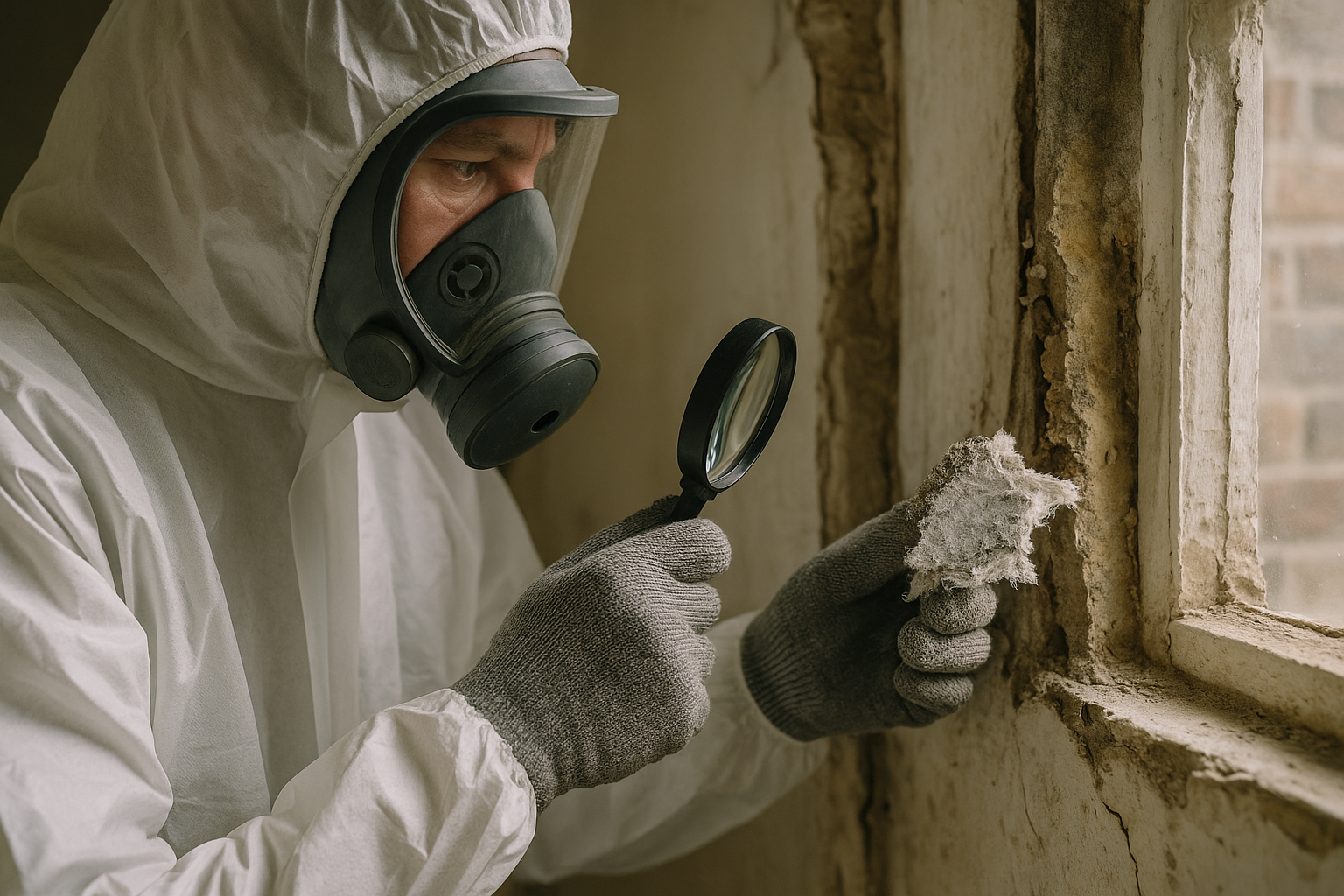
Management surveys for occupied buildings
If the building is in normal use and the aim is to manage asbestos during occupation, maintenance and routine access, a management survey is usually the right starting point. It helps duty holders identify asbestos-containing materials that could be damaged or disturbed during everyday use.
This survey supports ongoing compliance and building management. It is not designed for major intrusive works.
Refurbishment and demolition surveys
When works become intrusive, the survey strategy must change. If the project involves opening up walls, lifting floors, removing ceilings, replacing services, stripping areas back or taking down a structure, a more intrusive survey is required.
For full strip-out or structural takedown, a dedicated demolition survey helps identify asbestos that must be dealt with before the building comes down. This type of survey is designed to access hidden areas that a management survey would not normally disturb.
Using the wrong survey usually leads to one of two outcomes: unsafe disturbance or expensive delay. Both are avoidable if asbestos planning is done early.
Before intrusive work starts
- Define the exact scope of works
- Check whether existing asbestos information covers all affected areas
- Commission the correct survey for the planned activity
- Allow time for analysis, removal and any required clearance
- Brief all contractors on findings before mobilisation
Managing asbestos in occupied premises
Not all asbestos has to be removed. In many buildings, the safest option is to leave asbestos-containing materials in place and manage them properly, provided they are in good condition and unlikely to be disturbed.
This is where a robust management plan matters. Without one, even known asbestos can become a problem during routine maintenance, tenancy changes or minor fit-out works.
What a good asbestos management plan should include
- An up-to-date asbestos register
- The location and condition of known or presumed materials
- Material and priority risk assessments
- Control measures for contractors and maintenance teams
- Permit or sign-off procedures for intrusive works
- Emergency arrangements for unexpected discoveries
- Inspection and reinspection dates
- Clear responsibility for updating records
For multi-site portfolios, consistency matters. Use the same reporting standards across your estate, make the register easy to access and require contractors to confirm they have reviewed asbestos information before starting work.
Refurbishment, demolition and project planning
Project teams often run into trouble when a building moves from routine maintenance into strip-out without anyone revisiting the asbestos plan. Asbestos in construction becomes most dangerous when the works are intrusive but the paperwork still reflects day-to-day occupation.
Before tendering or appointing contractors, review the asbestos information against the actual scope of work. If the project affects hidden voids, risers, floor build-ups, service penetrations or structural elements, old records may not be enough.
Practical steps for property managers and principal contractors
- Review the latest survey and asbestos register at pre-planning stage
- Map the work areas accurately
- Identify gaps in asbestos information early
- Commission intrusive surveys before final pricing where possible
- Build time into the programme for analysis, removal and clearance
- Share asbestos findings at pre-start meetings and in site inductions
- Set a stop-work procedure for unexpected suspect materials
If asbestos-containing materials need to be taken out, use competent specialists and make sure the scope is clearly defined. Supernova also supports projects requiring asbestos removal, helping clients move from identification to remediation without unnecessary delay.
Air monitoring and clearance
Air monitoring can play an important role in controlling asbestos in construction, especially where asbestos work has taken place or fibre release is a concern. It can help verify whether controls are working and whether an area is suitable for reoccupation.
What it does not do is replace a survey. Air testing cannot tell you where asbestos is hidden in the building fabric.
When air monitoring may be used
- To establish background reassurance before certain works
- To monitor fibre levels during some activities
- To support leak testing around enclosures
- As part of clearance procedures after licensed asbestos work
If licensed work has been carried out, do not allow the area to be handed back casually. Make sure the relevant clearance process has been completed and the area is only reoccupied when it is safe to do so.
Training and asbestos awareness on site
Many incidents involving asbestos in construction happen because someone mistakes an asbestos-containing material for a modern product. A board is assumed to be plasterboard, a textured coating is treated as decorative only, or an old service riser is opened without checking.
Asbestos awareness training helps reduce that risk. It is relevant for maintenance staff, tradespeople, supervisors, facilities teams, project managers and anyone who may come across suspect materials during their work.
What awareness training should achieve
Good training should help people answer three practical questions:
- What materials and locations should make me stop and check?
- What should I do if I uncover something suspect?
- Who needs to be told before work continues?
Training does not qualify someone to carry out asbestos removal or to work on asbestos-containing materials beyond the limits of the task. It is there to help people recognise risk and avoid accidental disturbance.
What to do if you unexpectedly find suspect asbestos
Unexpected discoveries are common, especially in older buildings with poor records. The worst response is to carry on and hope for the best.
If you uncover a suspect material:
- Stop work immediately
- Keep others away from the area
- Avoid further disturbance
- Report the issue to the site manager or duty holder
- Arrange inspection, sampling or survey input from a competent provider
- Review whether anyone may have been exposed and record the incident appropriately
Do not sweep up debris, break off extra pieces or ask operatives to bag it up unless the work has been properly assessed and controlled. A fast pause is far safer than a rushed clean-up.
Practical advice for property managers
If you are responsible for buildings, asbestos in construction is best controlled before a contractor ever arrives on site. Clear information, the right survey and a simple approval process will prevent most avoidable incidents.
Use these steps as a working checklist:
- Keep your asbestos register current and accessible
- Review survey coverage whenever the scope of works changes
- Do not allow intrusive work on the basis of a general assumption
- Issue asbestos information with permits, work orders and tender packs
- Challenge contractors who have not read the asbestos information
- Arrange sampling when materials are uncertain
- Plan for removal early if refurbishment or demolition will disturb asbestos
If you manage sites in the capital or across major regional portfolios, Supernova can help with local support including an asbestos survey London, an asbestos survey Manchester or an asbestos survey Birmingham.
Frequently Asked Questions
Is asbestos in construction still common in the UK?
Yes. While asbestos is banned from new use, it remains present in many older buildings across the UK. That means maintenance, refurbishment and demolition work can still disturb asbestos-containing materials if the building has not been properly surveyed and managed.
Do I always need to remove asbestos if it is found?
No. If asbestos-containing materials are in good condition and unlikely to be disturbed, they can often be left in place and managed. Removal is usually considered when materials are damaged, deteriorating or likely to be affected by planned works.
What survey do I need before refurbishment works?
If the work is intrusive, a standard management survey is usually not enough. You need a survey that matches the planned activity and accesses the areas affected by the works. For major strip-out or structural takedown, a demolition survey is typically required.
What should I do if a contractor finds a suspect material during works?
Stop work immediately, isolate the area and prevent further disturbance. Then arrange for the material to be inspected and, where appropriate, sampled or surveyed by a competent asbestos professional before work resumes.
Can I use a sample test instead of a full survey?
Sample testing can confirm whether a specific material contains asbestos, but it does not replace a survey. A survey is used to assess the wider building, identify likely asbestos-containing materials and support safe planning for occupation, maintenance, refurbishment or demolition.
Need clear advice on asbestos in construction? Supernova Asbestos Surveys delivers surveys, sampling, testing support and removal coordination across the UK. Call 020 4586 0680 or visit asbestos-surveys.org.uk to arrange the right service for your property or project.