
When people search for asbestosis life expectancy, they are rarely looking for theory. They want a straight answer about what the diagnosis means, how the illness usually progresses, and what practical steps can still protect health and quality of life.
The honest answer is that asbestosis life expectancy varies widely. Some people live for many years with careful monitoring and symptom management, while others have advanced lung scarring, serious breathing problems or related complications by the time they are diagnosed. There is no single average that fits everyone, and any accurate discussion has to reflect that.
Asbestosis is a serious asbestos-related lung disease caused by breathing in asbestos fibres over time. It is not a cancer, but it can be life-limiting, and it can exist alongside other asbestos-related conditions such as lung cancer, pleural disease and mesothelioma. For anyone with a diagnosis, medical care comes first. For employers, dutyholders and property managers, preventing any further exposure is just as critical.
Asbestosis life expectancy: what affects prognosis?
No doctor can responsibly give an exact figure for asbestosis life expectancy without looking at the individual case. Prognosis depends on how much scarring is present in the lungs, how well the lungs are still working, whether symptoms are stable or worsening, and whether there are other health problems affecting the heart or respiratory system.
Some people are diagnosed after symptoms first appear and still have reasonable lung function. Others only seek help when breathlessness has become severe, by which point the disease may be much more advanced.
The factors that usually shape prognosis include:
- Extent of fibrosis – more scarring generally means poorer lung function
- Severity of symptoms – breathlessness at rest is more concerning than breathlessness only on exertion
- Age and general health – existing heart or lung disease can make management harder
- Smoking history – smoking does not cause asbestosis, but it worsens respiratory damage and increases cancer risk
- Ongoing exposure – continued contact with asbestos can cause further harm
- Complications – pulmonary hypertension, heart strain, lung cancer and mesothelioma can all affect outcome
That is why discussions about asbestosis life expectancy should avoid false certainty. A respiratory specialist will usually assess scans, lung function tests, oxygen levels and symptoms before discussing likely progression.
What makes a real difference in practice is early assessment, avoiding any further asbestos exposure, stopping smoking if relevant, staying active within safe limits and reporting any worsening symptoms quickly. These steps do not reverse lung scarring, but they can improve day-to-day management and help clinicians respond sooner to complications.
What is asbestosis?
Asbestosis is a chronic fibrotic lung disease caused by inhaling asbestos fibres. Those fibres can lodge deep in the lungs and trigger long-term inflammation. Over time, that inflammation leads to permanent scarring, making the lungs stiffer and less able to transfer oxygen into the bloodstream.
Unlike mesothelioma, asbestosis is not a malignancy. Even so, it can be severely disabling and can shorten life in advanced cases.
The disease usually develops after heavy or repeated exposure rather than one brief contact. Symptoms often take decades to appear, which is one reason asbestos remains a live issue in older buildings across the UK.
People most commonly affected have historically worked in:
- Construction
- Shipbuilding and ship repair
- Demolition
- Manufacturing involving asbestos products
- Power stations
- Boiler rooms and plant areas
- Railways and heavy industry
- Public buildings such as schools and hospitals where asbestos-containing materials were present
Secondary exposure can also occur. Some people were exposed through contaminated work clothing brought home from dusty sites.
Where asbestos exposure happens
Understanding exposure matters when discussing asbestosis life expectancy, because the original cause is often occupational. Many cases relate to past work environments, but asbestos can still be encountered in older premises if materials are damaged or disturbed during maintenance, refurbishment or demolition.

Common settings include:
- Older commercial buildings
- Industrial premises
- Schools and colleges
- Hospitals and healthcare sites
- Council properties
- Warehouses and factories
- Domestic properties built or refurbished when asbestos use was common
Higher-risk asbestos-containing materials have historically included pipe lagging, sprayed coatings, insulation board and loose fill insulation. Lower-risk materials can also become dangerous if they are drilled, cut, sanded or broken.
Typical activities linked to exposure include:
- Drilling into walls or ceilings
- Removing old insulation
- Repairing pipework
- Refurbishment and strip-out work
- Electrical and mechanical installations
- Demolition
- DIY work in older properties
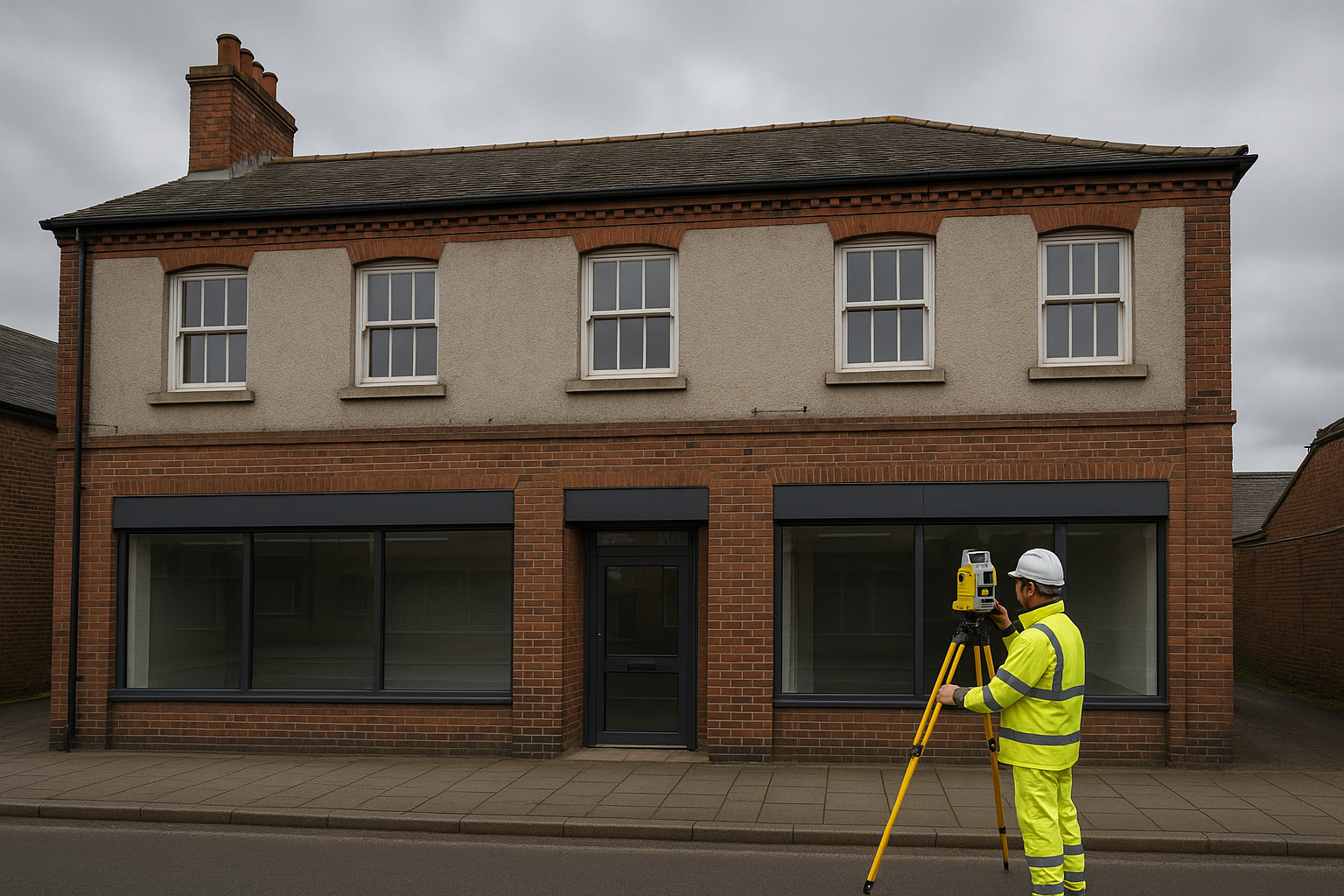
For dutyholders and managing agents, prevention starts with knowing what is in the building before work begins. If you manage premises in the capital, arranging an asbestos survey London service before intrusive works is one of the clearest ways to reduce the risk of future exposure.
The same applies elsewhere. For properties in the North West, booking an asbestos survey Manchester before maintenance or refurbishment can help identify asbestos-containing materials before contractors disturb them.
And for projects across the Midlands, an asbestos survey Birmingham can help you locate asbestos-containing materials before refurbishment starts.
Under the Control of Asbestos Regulations, dutyholders in non-domestic premises must manage asbestos risk properly. That means identifying asbestos-containing materials where present, assessing their condition, keeping an up-to-date asbestos record and preventing accidental disturbance. Survey work should follow HSG264 and relevant HSE guidance.
What causes asbestosis?
The cause of asbestosis is prolonged inhalation of asbestos fibres. In most cases, exposure happens repeatedly over months or years rather than from a single short event.
Risk rises where exposure involved high fibre levels, poor ventilation or friable asbestos materials that released dust easily. Historic exposure is especially relevant because many older workplaces lacked the controls now expected under current asbestos management standards.
Situations that increase the chance of developing asbestosis include:
- Long-term exposure in dusty environments
- Cutting, sanding or drilling asbestos materials
- Removing insulation or lagging
- Working in confined spaces with poor ventilation
- Lack of suitable respiratory protection
- Inadequate training or poor site controls
- Repeated exposure over many years
Not everyone exposed to asbestos develops asbestosis. The condition is generally associated with heavier cumulative exposure. Even so, anyone with a relevant work history and respiratory symptoms should seek medical advice rather than assuming breathlessness is simply age, fitness or smoking-related.
Risk factors that can affect asbestosis life expectancy
Several factors influence both the likelihood of developing the disease and the likely outlook after diagnosis. These same issues often shape discussions around asbestosis life expectancy.
Occupational history
The strongest risk factor is substantial asbestos exposure at work. Laggers, shipyard workers, demolition workers, insulation installers and people in older construction trades are among the highest-risk groups.
Duration and intensity of exposure
Someone exposed heavily over a long period is usually at greater risk than someone with occasional low-level contact. Repeated disturbance of friable asbestos materials is especially concerning.
Smoking
Smoking does not cause asbestosis, but it can worsen respiratory symptoms and significantly increase the risk of lung cancer in someone already exposed to asbestos. Stopping smoking is one of the clearest practical steps after diagnosis.
Age and existing health conditions
Older age, chronic obstructive pulmonary disease, cardiovascular disease and other lung conditions can make symptoms harder to manage. They can also reduce resilience if complications develop.
Continued exposure
Anyone still working around asbestos risk needs urgent advice on exposure prevention. Continued exposure after diagnosis may worsen lung damage and complicate the outlook.
Early symptoms to recognise
Early symptoms can be easy to dismiss. Many people assume they are getting older, becoming less fit or feeling the effects of smoking, but a history of asbestos exposure changes the picture.
Common early symptoms include:
- Shortness of breath during physical activity
- A persistent dry cough
- Chest tightness
- Unusual fatigue
- Reduced exercise tolerance
Symptoms usually develop gradually. A person may first notice they are slower on stairs, then find walking moderate distances increasingly difficult.
Breathing and coughing
Breathlessness is one of the most common and disruptive symptoms. It often starts on exertion and worsens as scarring progresses.
The cough linked to asbestosis is often dry and persistent. It does not behave like a short-lived infection, and it should not be ignored where there is a known exposure history.
Crackling in the lungs
Doctors may hear fine crackling sounds through a stethoscope, especially at the bases of the lungs. These are sometimes described as Velcro-like crackles and can be an important sign of fibrotic change.
Finger clubbing
Finger clubbing is sometimes seen in advanced lung disease, including asbestosis. The fingertips become enlarged and the nails curve more than usual.
Practical signs to look for include:
- Rounded or bulbous fingertips
- Nails that seem more curved than before
- Loss of the normal angle between the nail and nail bed
- Changes affecting several fingers rather than one injured finger
If finger clubbing appears alongside worsening respiratory symptoms, it should be mentioned clearly to the GP or respiratory team.
Advanced symptoms and complications
When people ask about asbestosis life expectancy, advanced disease is usually where the outlook becomes more serious. At this stage, lung scarring is more extensive, oxygen transfer is more impaired and everyday activities can become difficult.
Advanced symptoms may include:
- Breathlessness at rest
- Marked difficulty walking short distances
- Persistent cough
- Blue lips or fingertips caused by low oxygen levels
- Severe tiredness
- Weight loss
- Swelling in the ankles or legs
- Poor sleep because of breathing problems
There is no cure for the scarring itself, so treatment focuses on symptom relief, preserving function where possible and managing complications promptly. Worsening breathlessness, falling oxygen levels or signs of heart strain should prompt urgent medical review.
Heart disease and cardiac complications
Heart disease is an important complication in advanced asbestosis. When the lungs are badly scarred, the right side of the heart may have to work harder to pump blood through them. Over time, that strain can lead to pulmonary hypertension and cor pulmonale.
This matters because cardiac complications can reduce exercise capacity, worsen breathlessness and affect asbestosis life expectancy.
Warning signs include:
- Worsening shortness of breath
- Swollen ankles or legs
- Fatigue with minimal effort
- Palpitations
- Fluid retention
- A feeling of increasing chest pressure or strain
These symptoms need medical review rather than guesswork. A respiratory consultant may arrange additional tests such as imaging, oxygen assessment or cardiac investigations.
Related asbestos diseases
Asbestosis can exist alongside other asbestos-related disease. That is one reason any change in symptoms needs proper assessment.
Conditions that may affect prognosis include:
- Mesothelioma – a cancer affecting the lining of the lungs or abdomen
- Lung cancer – risk is higher in people with asbestos exposure, especially if they also smoke
- Pleural plaques – areas of thickening on the lining of the lungs
- Diffuse pleural thickening – more extensive pleural scarring that can affect breathing
New chest pain, unexplained weight loss, coughing up blood or rapidly worsening breathlessness should never be ignored.
How asbestosis is diagnosed
A diagnosis usually starts with a detailed history. Doctors will ask about past jobs, likely exposure, symptoms and smoking history.
Assessment may include:
- Chest X-ray
- CT scan
- Lung function tests
- Oxygen level checks
- Physical examination
- Referral to a respiratory specialist
The pattern of lung scarring, combined with a credible asbestos exposure history, helps clinicians reach a diagnosis. In some cases, they may also look for signs of pleural disease or other asbestos-related conditions.
If you suspect past exposure, make your occupational history as clear as possible. List the industries, job roles, buildings, materials and tasks involved. That practical detail can help the specialist team make faster sense of the picture.
Treatment and management
There is no treatment that removes the scarring caused by asbestosis. Management focuses on controlling symptoms, maintaining lung function where possible and reducing the risk of complications.
Treatment may include:
- Regular respiratory follow-up
- Inhalers where clinically appropriate
- Pulmonary rehabilitation
- Vaccinations to reduce the risk of respiratory infection
- Oxygen assessment and oxygen therapy where needed
- Support for stopping smoking
- Monitoring for complications such as pulmonary hypertension or cancer
Practical steps at home also matter:
- Keep all medical appointments and report changes early.
- Stop smoking if you smoke.
- Stay active within safe limits and ask about pulmonary rehabilitation.
- Reduce infection risk by following clinical advice on vaccinations.
- Avoid dusty environments and any possible further asbestos exposure.
People often focus only on the headline question of asbestosis life expectancy. In daily life, symptom control, mobility, sleep, energy levels and preventing sudden deterioration are just as important.
What property managers and employers should do now
For property managers, landlords, employers and dutyholders, asbestos disease is not just a historic issue. The practical lesson is simple: prevent exposure before maintenance, refurbishment or demolition work starts.
Action points include:
- Check whether an asbestos survey is already in place
- Review the asbestos register before any work begins
- Make sure contractors have the right information
- Stop work immediately if suspect materials are found
- Use competent asbestos professionals for surveying and sampling
- Keep records current and accessible
Under the Control of Asbestos Regulations, dutyholders must manage asbestos in non-domestic premises. Surveys should be suitable for the planned works and carried out in line with HSG264 and HSE guidance.
If the building is occupied and only routine management is needed, a management survey may be appropriate. If intrusive work is planned, a refurbishment or demolition survey is usually required before the work starts. Guesswork is what creates exposure incidents.
Practical advice for families after a diagnosis
A diagnosis affects more than the patient. Families often end up helping with appointments, transport, symptom monitoring and day-to-day adjustments at home.
Useful steps include:
- Keep a written record of symptoms and changes in exercise tolerance
- Attend appointments if the patient wants support
- Ask the respiratory team what warning signs should trigger urgent review
- Encourage smoking cessation where relevant
- Check whether the person may have ongoing exposure risks through work or old DIY materials
If there is any chance that asbestos-containing materials remain in a home, workplace or managed property, do not disturb them. Get professional advice first.
Frequently Asked Questions
Is there an average asbestosis life expectancy?
There is no single average that applies to everyone. Asbestosis life expectancy depends on the amount of lung scarring, symptom severity, age, overall health, smoking history and whether complications such as heart strain, lung cancer or mesothelioma are present.
Can you live a long time with asbestosis?
Yes, some people live for many years after diagnosis, especially if the disease is identified before severe lung damage develops. Regular respiratory follow-up, avoiding further asbestos exposure, stopping smoking and managing complications early can all help.
Does smoking make asbestosis worse?
Smoking does not cause asbestosis, but it can worsen breathing problems and significantly increase the risk of lung cancer in people who have been exposed to asbestos. Stopping smoking is one of the most useful practical steps after diagnosis.
Can asbestosis be cured?
No. The lung scarring caused by asbestosis cannot be reversed. Treatment focuses on symptom management, pulmonary rehabilitation, oxygen assessment where needed, infection prevention and monitoring for complications.
What should a property manager do to prevent asbestos exposure?
Check the asbestos register, arrange the right survey before work starts, share asbestos information with contractors and stop work if suspect materials are found. Using a competent surveying company and following the Control of Asbestos Regulations, HSG264 and HSE guidance are essential.
If you need expert help identifying asbestos risks before maintenance, refurbishment or demolition, Supernova Asbestos Surveys can help. We carry out professional asbestos surveys across the UK for commercial, public and residential properties. Call 020 4586 0680 or visit asbestos-surveys.org.uk to book a survey or get practical advice from our team.