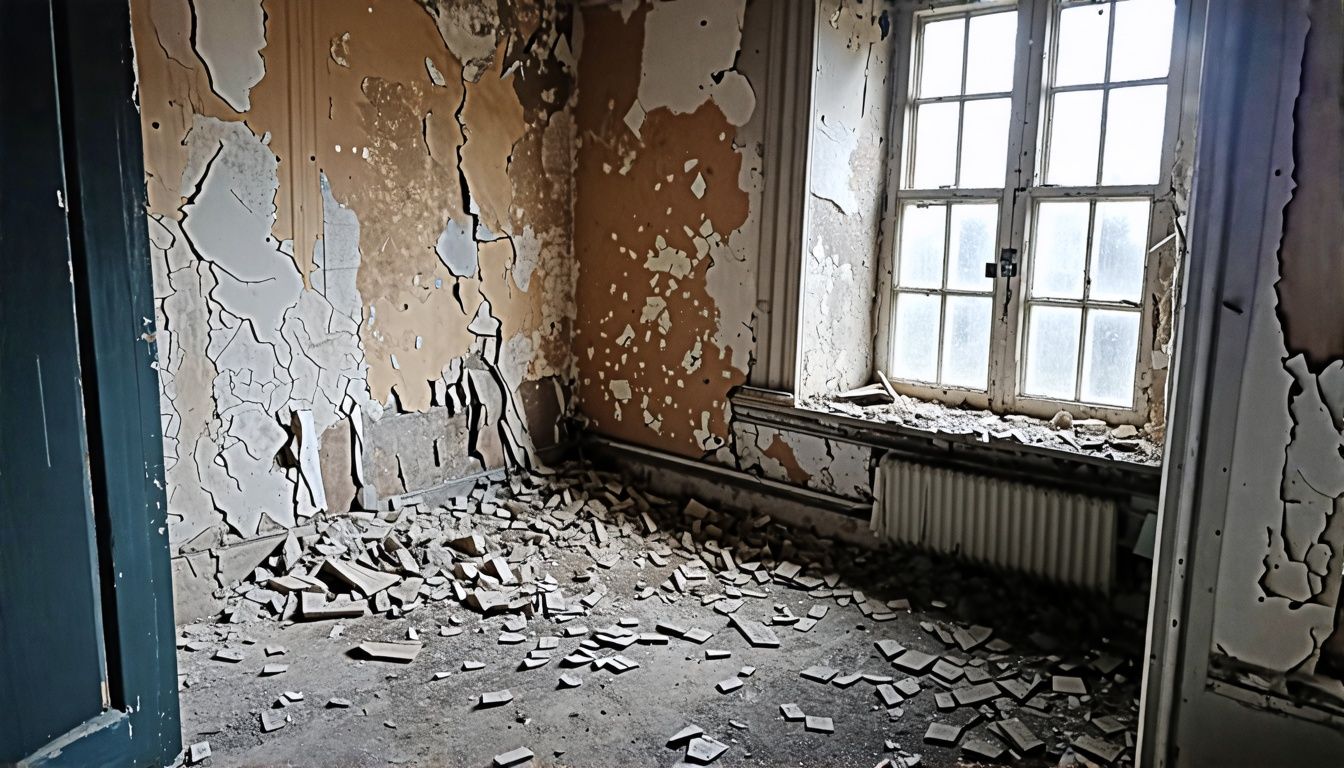
What Asbestos Surveys Are Used For — and Why Getting Them Right Matters
If you own or manage a commercial property built before 2000, asbestos surveys aren’t optional. They’re a legal requirement under the Control of Asbestos Regulations, and arguably the most important documents you’ll ever hold for your building. But beyond keeping the HSE satisfied, a well-prepared asbestos survey report drives every practical decision you make — from day-to-day maintenance through to major demolition projects.
This post covers exactly what asbestos surveys are, which type applies to your situation, how the reports are used in practice, and what your legal obligations look like as a duty holder in the UK.
Why Asbestos Surveys Are Still Relevant Today
Asbestos was widely used in UK construction right up until it was fully banned in 1999. That means a substantial portion of the UK’s commercial, industrial, and residential building stock still contains asbestos-containing materials (ACMs). Ceiling tiles, pipe lagging, floor tiles, roofing felt, textured coatings — asbestos turned up almost everywhere.
Many of these materials are perfectly safe when left undisturbed. The problem is that without a survey, you don’t know what’s there, where it is, or what condition it’s in. And that uncertainty is where health risks and legal liability both begin.
An asbestos survey documents the findings of a professional inspection: the location of ACMs, the type of asbestos present, the condition of each material, and the level of risk it poses. That information underpins everything that follows — from your asbestos management plan to contractor briefings to refurbishment planning.
The Different Types of Asbestos Surveys
Not all asbestos surveys are the same, and using the wrong type for your situation isn’t just unhelpful — it can leave you legally exposed. Here’s what each type covers and when you need it.
Management Survey
This is the standard survey for any commercial property in normal use. A management survey locates ACMs that are reasonably accessible and likely to be disturbed during everyday occupation — through routine maintenance, drilling, or moving partitions, for example.
The resulting report forms the foundation of your asbestos register and asbestos management plan, both of which you’re legally required to maintain. It’s the starting point for all asbestos compliance in a working building.
Refurbishment Survey
Planning any intrusive work — even something as routine as replacing ceiling tiles or refitting a kitchen — means you need a refurbishment survey before work begins. This is a more intrusive inspection of the specific area where works will take place.
The report gives contractors the information they need to work safely around confirmed ACMs and ensures you’ve met your legal duty to protect workers before any disturbance occurs. A management survey is not sufficient for this purpose — even if you already have one for the building.
Demolition Survey
Before any structure is demolished, a full demolition survey must be completed. This is the most comprehensive type of asbestos survey — involving destructive investigation throughout the entire building to locate all ACMs, including those concealed behind walls, beneath floors, and within structural elements.
The report is essential for planning safe demolition and for arranging compliant asbestos removal before any work starts. There are no shortcuts here — skipping this step exposes everyone involved to serious legal and health consequences.
Re-inspection Survey
Once your asbestos management plan is in place, you’re required to review and update it regularly. A re-inspection survey checks the condition of previously identified ACMs to see whether anything has deteriorated, been disturbed, or now requires action.
How frequently you need re-inspections depends on the risk level of the materials involved — typically between six months and two years. Higher-risk materials in poorer condition require more frequent checks.
Bulk Sample Analysis
If a material is suspected to contain asbestos but hasn’t been confirmed, samples can be collected and sent to an accredited laboratory for analysis. The resulting report confirms whether asbestos is present and identifies the fibre type. This is particularly useful when you’re unsure whether older materials contain asbestos before planning work.
Supernova offers a postal sample analysis service and a testing kit directly from our website, so you can arrange sample collection quickly without commissioning a full survey in straightforward cases.
How Asbestos Survey Reports Are Used in Practice
Knowing the types of surveys is one thing. Understanding how the reports are actually used day-to-day is what separates good asbestos management from box-ticking.
Ongoing Property Management
For any non-domestic premises, the duty to manage asbestos is one of your most significant health and safety obligations. Your management survey report sits at the heart of this — it tells you:
- Where ACMs are located throughout the building
- What condition each material is in
- What priority level of action, if any, is required
- How frequently each material should be re-inspected
This information feeds directly into your asbestos management plan, which sets out how you’ll keep materials safe, who’s responsible for monitoring them, and how you’ll communicate findings to anyone who might disturb them — including contractors, maintenance staff, and tenants.
Without an up-to-date survey report, you’re managing blind. That’s where both health risks and legal liability arise.
Planning Refurbishment and Demolition Work
This is one of the most critical uses of asbestos surveys — and one of the most commonly mishandled. A significant proportion of asbestos-related incidents in the construction industry occur because workers disturb ACMs without knowing they’re there.
Under the Control of Asbestos Regulations, it’s the duty holder’s responsibility to ensure a refurbishment or demolition survey is completed before any intrusive work begins. The report gives the principal contractor and their team everything they need to:
- Plan the work safely around confirmed ACMs
- Arrange licensed asbestos removal before work starts, where required
- Include appropriate asbestos information in the pre-construction health and safety file
- Meet their own legal duties under CDM regulations
Getting this wrong doesn’t just put workers at risk — it exposes you to enforcement action, unlimited fines, and potential prosecution.
Property Sales and Acquisitions
Asbestos surveys are increasingly important in commercial property transactions. Buyers and their solicitors want to understand the asbestos liability they’re taking on — particularly the cost and complexity of any required management or removal work.
Sellers benefit from having an up-to-date survey report to hand, as it demonstrates transparency and reduces the risk of post-sale disputes. Mortgage lenders financing commercial property purchases may also require evidence of a current survey as part of their due diligence process.
A survey report in good order can genuinely smooth a transaction. The absence of one — or a report showing poorly managed ACMs — can become a significant sticking point.
Protecting and Informing Contractors
Every time you bring a contractor into your building — whether that’s a plumber, electrician, or general maintenance operative — you have a legal duty to share relevant asbestos information with them before they start work. Your asbestos register and management survey report are how you fulfil that duty.
Without them, any contractor who inadvertently disturbs asbestos will be at risk — and so will you, legally. This obligation applies every time, not just for major projects.
Your Legal Obligations as a Duty Holder
The Control of Asbestos Regulations place clear duties on those who own, occupy, or manage non-domestic premises. The HSE’s guidance document HSG264 sets out in detail how asbestos surveys should be planned and carried out.
If you’re a duty holder, here’s what you’re required to do:
- Assess whether asbestos is present — or presume materials contain it until proven otherwise
- Commission a management survey carried out by a competent, UKAS-accredited surveyor
- Maintain an asbestos register identifying the location and condition of all known ACMs
- Produce and implement an asbestos management plan — and keep it up to date
- Share the information with anyone who might disturb ACMs
- Arrange re-inspections at appropriate intervals to monitor the condition of ACMs
The HSE actively enforces these duties. Penalties for non-compliance range from prohibition and improvement notices through to prosecution. Fines for serious failures can be substantial, and in cases of gross negligence, custodial sentences are possible.
It’s also worth noting that the duty to manage applies specifically to non-domestic premises — but owners of residential blocks and HMOs also carry responsibilities where communal areas are involved.
What a Good Asbestos Survey Report Should Include
Not all asbestos surveys are equal, and a report from an unaccredited company may not be fit for purpose — legally or practically. A report from a properly accredited surveyor holding UKAS accreditation to ISO 17020 should clearly include:
- A site plan or building layout showing where samples were taken and where ACMs are located
- Photographs of each identified or suspected material
- Laboratory analysis results for any samples collected
- A risk assessment for each ACM, using a recognised scoring system
- Clearly stated recommendations — whether that’s monitor, manage, encapsulate, or remove
- An asbestos register compiled from the findings
If your current report doesn’t contain all of this — or was produced by an unaccredited company — it may not hold up under scrutiny. That’s worth checking before you rely on it for legal compliance or for passing information to contractors.
Always ask your surveying company for evidence of their UKAS accreditation before commissioning any work. It’s a straightforward question, and any reputable firm will answer it immediately.
How Often Should Asbestos Surveys Be Updated?
Your asbestos management plan should be reviewed at least annually, even if no changes have occurred. The ACMs themselves need to be physically re-inspected at intervals appropriate to their risk level — typically every six to twelve months for higher-risk materials, and up to two years for lower-risk ones.
Beyond scheduled re-inspections, you should commission an updated survey whenever:
- Refurbishment or maintenance work has taken place in the building
- The building’s use or layout has changed significantly
- ACMs have been removed or encapsulated
- A material’s condition has visibly deteriorated
- New areas of the building have been accessed that weren’t previously surveyed
An out-of-date report isn’t just less useful — it can give you false confidence and leave you legally exposed at exactly the wrong moment.
Choosing the Right Surveying Company
The quality of your asbestos survey is only as good as the company carrying it out. There are a few non-negotiable criteria to look for before commissioning any work.
First, check that the company holds UKAS accreditation to ISO 17020. This is the recognised standard for inspection bodies in the UK and confirms that the surveyor’s methods, competence, and reporting have been independently assessed. Without it, their findings may carry little weight with the HSE or in legal proceedings.
Second, make sure the surveyor has direct experience with your building type. Surveys of large industrial units, multi-tenanted office blocks, schools, and residential conversions all carry different complexities. A surveyor who regularly works across these environments will identify risks that a less experienced operative might miss.
Third, check what the report will contain before you agree to anything. A reputable company will be transparent about their reporting format and happy to show you examples. If the answer is vague, look elsewhere.
Asbestos Surveys Across the UK
Supernova Asbestos Surveys operates nationwide, with specialist teams covering major cities and regions. Whether you need an asbestos survey London, an asbestos survey Manchester, or an asbestos survey Birmingham, our UKAS-accredited surveyors are available to carry out all survey types — with fast turnaround and clear, actionable reports.
With over 50,000 surveys completed, we understand what duty holders need and how to deliver it efficiently without cutting corners.
Frequently Asked Questions
Do asbestos surveys apply to residential properties?
The legal duty to manage asbestos under the Control of Asbestos Regulations applies specifically to non-domestic premises. However, owners of residential blocks and HMOs carry responsibilities in communal areas such as stairwells, plant rooms, and corridors. Private homeowners are not legally required to commission a survey, but it is strongly advisable before undertaking any renovation or extension work on a property built before 2000.
How long does an asbestos survey take?
This depends on the size and complexity of the building. A management survey of a small commercial unit might take a few hours, while a demolition survey of a large industrial site could take several days. Your surveying company should give you a clear time estimate before work begins, along with an expected turnaround time for the final report.
Can I carry out an asbestos survey myself?
No. Asbestos surveys must be carried out by a competent, trained surveyor — and for legal compliance purposes, by a company holding UKAS accreditation to ISO 17020. Attempting to survey a building yourself, or relying on an unaccredited company, will not satisfy your legal duties under the Control of Asbestos Regulations and could expose you to significant liability.
What happens if asbestos is found during a survey?
Finding asbestos doesn’t automatically mean it needs to be removed. The survey report will assign a risk level to each identified ACM and recommend the appropriate course of action — which could be to monitor it, manage it in place, encapsulate it, or arrange removal. Many ACMs in good condition can safely remain in a building for years, provided they are properly managed and regularly re-inspected.
How much do asbestos surveys cost?
Survey costs vary depending on the type of survey required, the size of the building, and its location. A management survey for a small commercial property will cost significantly less than a full demolition survey of a large complex. The best approach is to contact a UKAS-accredited company directly for a site-specific quote. At Supernova, we provide clear, transparent pricing with no hidden costs.
Get Your Asbestos Survey Booked Today
Whether you need a routine management survey, a pre-refurbishment inspection, or a full demolition survey, Supernova Asbestos Surveys has the accreditation, experience, and nationwide coverage to deliver it properly.
Call us on 020 4586 0680 or visit asbestos-surveys.org.uk to request a quote or speak to one of our surveyors directly. With over 50,000 surveys completed across the UK, we know what good asbestos management looks like — and we’ll make sure your building meets the standard.