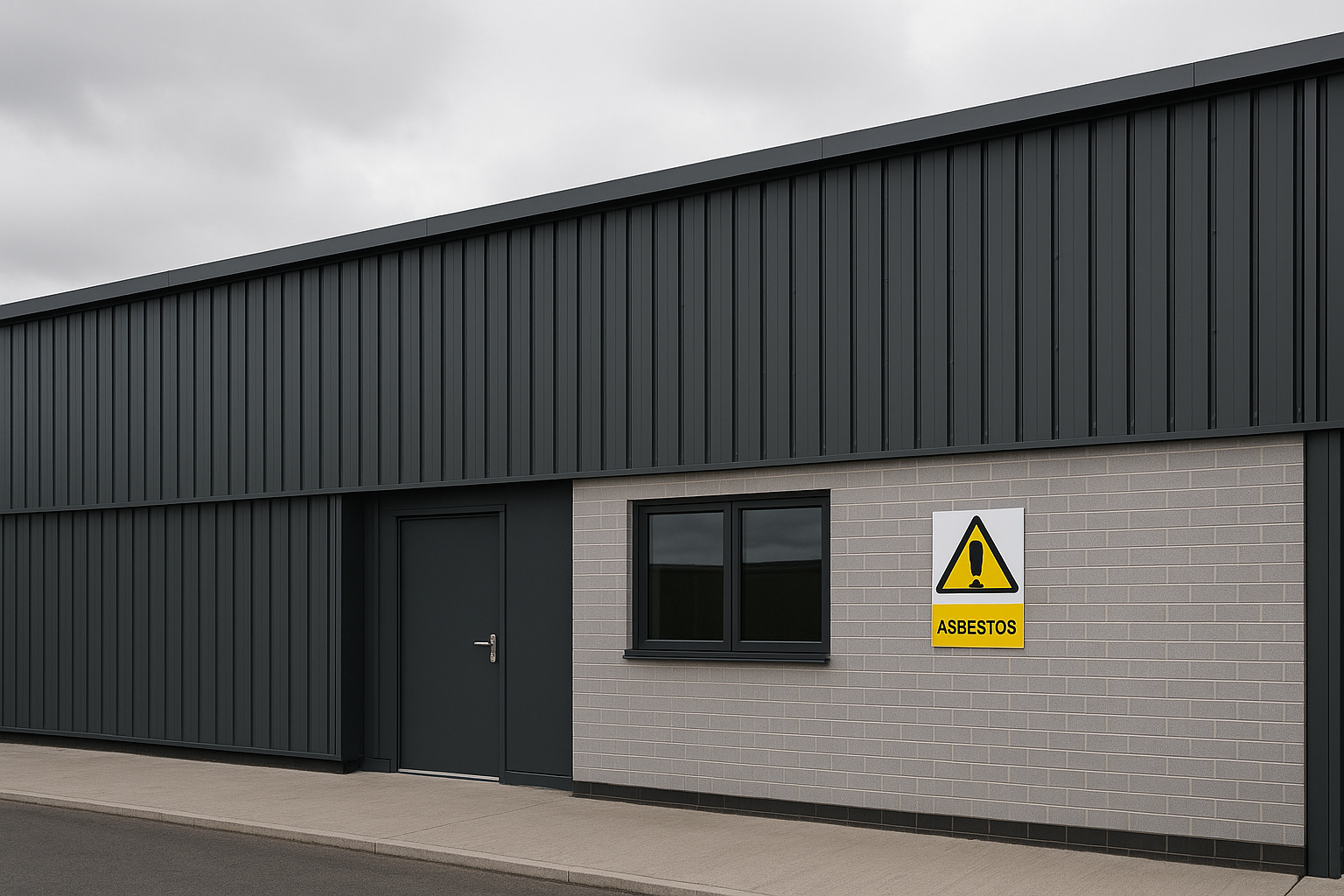
Miss the asbestos warning signs in a workplace and the first clue may be a drilled panel, broken ceiling tile or disturbed lagging. That is exactly how routine maintenance turns into an exposure incident. If you manage a building, oversee contractors or hold responsibility for compliance, knowing what asbestos warning signs mean is not optional.
Across UK workplaces, schools, shops, warehouses and communal areas of residential blocks, asbestos can still be present in materials that look ordinary. The challenge is that warning signs on doors, barriers and plant rooms only help when they are accurate, visible and backed by proper asbestos management. A sign is a control measure, not a substitute for a survey or an asbestos register.
Why asbestos warning signs still matter
Many older premises contain asbestos-containing materials, often called ACMs, in places staff and contractors may access without much thought. Common examples include insulation board, pipe lagging, sprayed coatings, floor tiles, textured coatings, cement sheets and ceiling products.
Under the Control of Asbestos Regulations, duty holders in non-domestic premises must identify asbestos so far as is reasonably practicable, assess the risk and manage it properly. HSE guidance and HSG264 make it clear that asbestos information must be communicated to anyone liable to disturb it. That is where asbestos warning signs play a practical role.
Used properly, asbestos warning signs help to:
- alert staff, visitors and contractors before they enter a risk area
- support the asbestos register and management plan
- reinforce permit-to-work and contractor induction procedures
- reduce accidental drilling, cutting, lifting or removal of suspect materials
- mark temporary exclusion zones during damage incidents or removal works
Used badly, they create confusion. A faded sign on a door with no matching register entry, no briefing and no site controls is poor management, not compliance.
What asbestos warning signs can and cannot tell you
One of the biggest mistakes in property management is assuming a sign answers every question. It does not. Asbestos warning signs tell you that asbestos is known, suspected or actively being dealt with in a specific area. They do not tell you the full story.
A sign cannot confirm:
- the asbestos type
- the condition of the material
- whether fibres are being released
- whether the area is safe to enter
- what work can proceed nearby
That information comes from the survey, register, risk assessment and site controls. If asbestos has not been properly identified yet, the right next step is not to order more signage. It is to commission the correct survey.
For normal occupation and routine maintenance, a management survey is usually the starting point. If intrusive works are planned, a refurbishment survey is required before the work begins. If a building is coming down, a demolition survey is needed before demolition starts. Where ACMs are already known and being managed in place, a re-inspection survey checks whether their condition has changed.
The practical rule is simple: never rely on appearance alone. If the information is missing, unclear or out of date, stop and verify before any work continues.
Common asbestos warning signs you may see on site
Not all asbestos warning signs mean the same thing. The wording matters because it reflects the level of risk, the controls in place and whether the issue is historic asbestos in situ or live work involving disturbance.
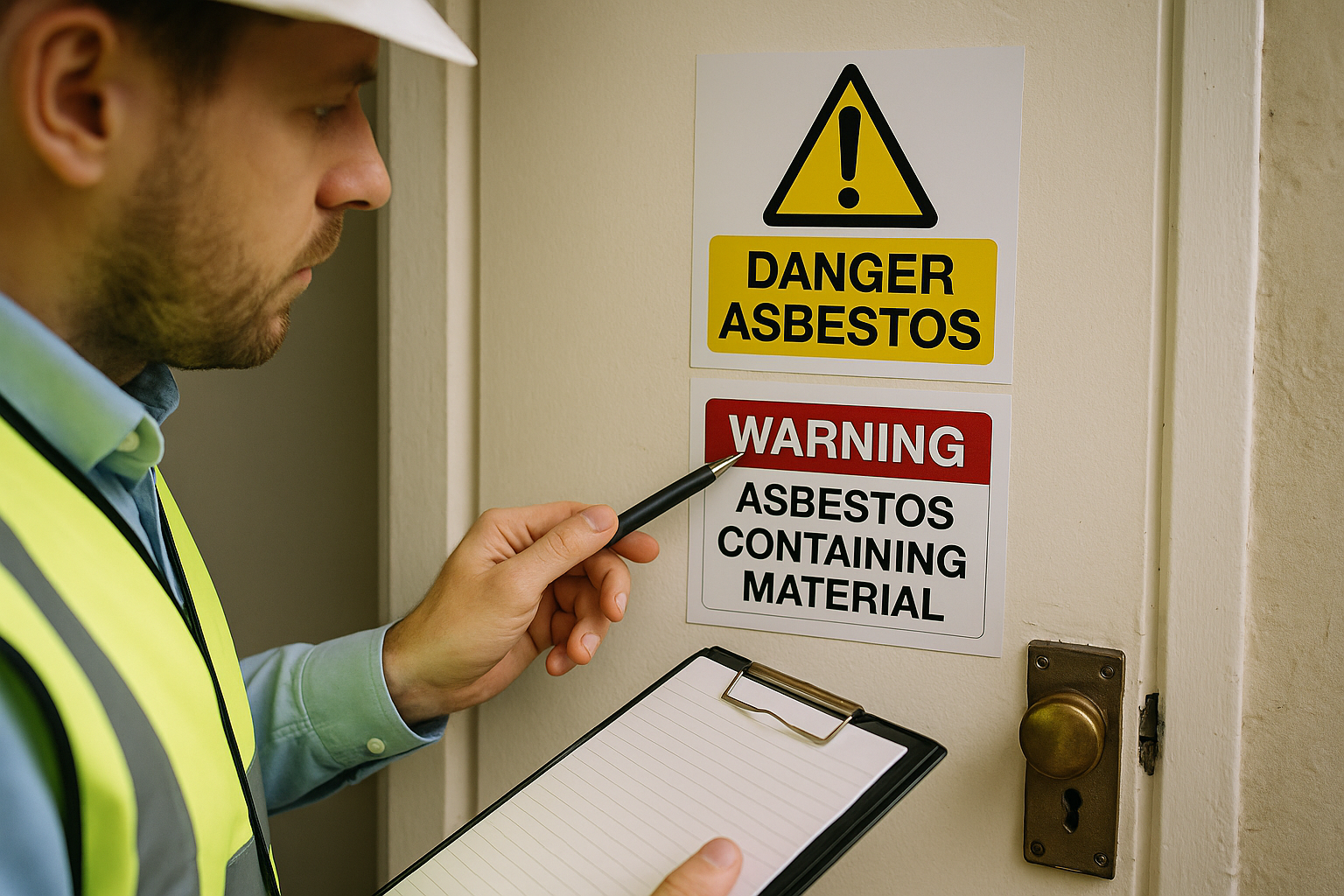
Danger asbestos
This is the sign many people recognise first. It is commonly used on doors, access points, riser cupboards, plant rooms and service areas where known ACMs are present.
It warns people to stop and check before entering or starting work. On its own, though, it is not enough. Anyone carrying out maintenance should still review the asbestos register and understand exactly what materials are present.
Danger asbestos dust
This wording suggests a more immediate risk because it refers to asbestos dust rather than simply asbestos being present. It is typically used where material has been disturbed, contamination is suspected or work is taking place that could release fibres.
If you see this sign unexpectedly, do not enter casually. Access should already be restricted and there should be clear controls on PPE, supervision and decontamination.
Danger asbestos dust – do not enter
This is a clear exclusion message. It is appropriate where there is a realistic chance of airborne fibre release or where an incident area has not yet been made safe.
You may see it:
- outside a controlled enclosure
- at the boundary of an accidental disturbance area
- near damaged insulation board or lagging
- during remedial works after contamination has been identified
For building managers, the response is immediate: stop all nearby work, restrict access and confirm the status of the area with the duty holder or competent asbestos professional.
Danger asbestos – no admittance, protective clothing required
This sign means access is restricted and normal workwear is not acceptable. It should only be used where the controls behind it are real and active.
In practice, that may include:
- defined access procedures
- suitable PPE and respiratory protective equipment
- supervision by competent personnel
- decontamination arrangements where needed
If these arrangements are not in place, the sign is not doing its job. Signage must reflect actual site conditions.
Danger asbestos being removed – no persons admitted
This wording is used during active asbestos removal. It tells everyone except authorised personnel to stay out.
Where this sign is displayed, you should expect to see a segregated work area, controlled access routes and communication to anyone affected by the exclusion zone. If you have commissioned the works, verify that the contractor is competent and the work scope matches the survey findings.
Danger – asbestos removal in progress
Of all asbestos warning signs, this is one of the clearest because it confirms that removal work is happening now. It should be visible at every realistic entry point to the work zone.
If removal is underway, check that:
- the survey identified the materials correctly
- the work area is properly isolated from occupied spaces
- other contractors on site have been informed
- access is controlled and supervised
- the removal strategy matches the risk
Where removal is necessary, use competent specialists for the full process. Supernova can support both identification and asbestos removal, helping reduce delays between discovery, planning and action.
Where asbestos warning signs should be placed
The right sign in the wrong place is nearly as useless as no sign at all. Asbestos warning signs should be positioned where they change behaviour, right before someone enters, opens, drills, lifts or disturbs something.
Typical locations include:
- plant rooms and boiler rooms
- electrical cupboards
- service risers and duct access points
- ceiling void hatches
- roof spaces and loft access points
- store rooms containing asbestos materials
- doors to rooms with documented ACMs
- temporary barriers around damaged materials or active works
Direct labels may also be appropriate on specific materials, particularly where maintenance teams could disturb them during routine work. Pipe insulation, insulation board panels and some access panels are common examples.
Good placement follows a few practical rules:
- Put the sign at the decision point, not down the corridor.
- Make sure it is visible before the door opens or the hatch is lifted.
- Use wording that matches the actual risk.
- Review signs when the building layout or use changes.
- Remove temporary signs when the temporary risk has ended.
Permanent signage should align with the asbestos register. Temporary signage should align with the live site conditions.
How to recognise possible asbestos presence before any sign is in place
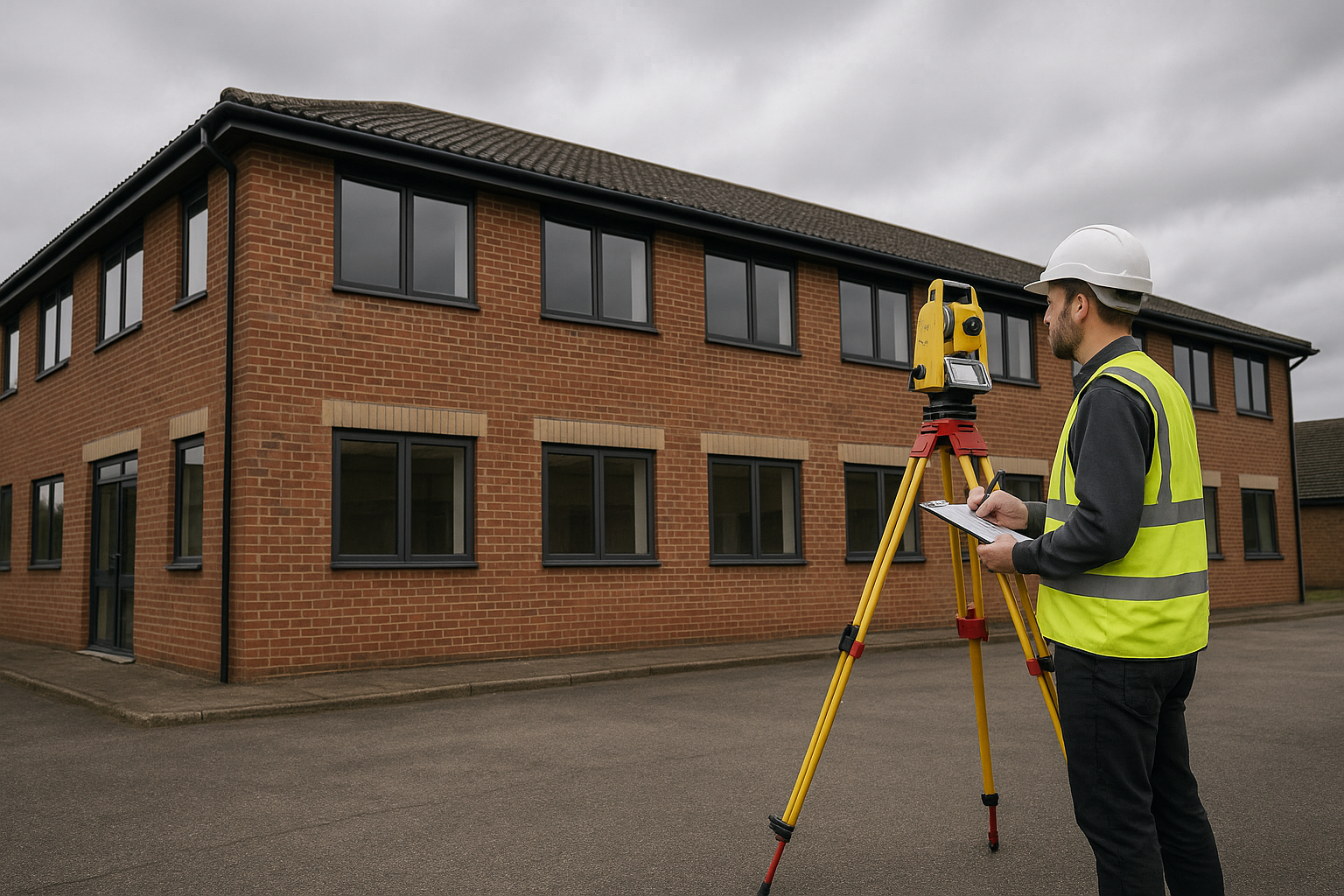
People often search for asbestos warning signs when what they really need is help spotting a potential asbestos risk in an unmanaged area. There may be no sign at all, especially in older premises with poor records.
You cannot identify asbestos by sight alone, but certain situations should prompt caution. Treat the following as warning indicators that asbestos may be present and needs checking:
- the building was constructed or refurbished in the period when asbestos was widely used
- there are old service ducts, boiler rooms or risers with original linings
- you find cement sheets, old floor tiles or textured coatings of unknown composition
- pipework has aged insulation or boxing with no clear records
- ceiling tiles, panels or boards are damaged and undocumented
- maintenance teams are relying on memory rather than survey data
These are not proof of asbestos. They are reasons to stop guessing and get competent advice.
Materials that often raise concern
In workplaces, suspected ACMs commonly appear in:
- asbestos insulation board in partitions, soffits, risers and fire breaks
- pipe lagging in plant rooms and service areas
- sprayed coatings on structural elements
- asbestos cement roofing, wall panels and flues
- vinyl floor tiles and bitumen adhesives
- textured decorative coatings
- gaskets, rope seals and older plant components
The risk varies widely depending on the material and its condition. Damaged lagging is not the same as sealed asbestos cement sheeting. That is why surveys and risk assessments matter far more than assumptions.
What to do if you spot asbestos warning signs unexpectedly
Unexpected asbestos warning signs should trigger a stop-and-check response. This is especially true if contractors are already on site, the area was not mentioned in the handover, or the sign does not match the records you have.
Take these steps straight away:
- Stop work immediately if the task could disturb the area.
- Keep people away until the situation is clarified.
- Do not drill, cut, sand, sweep or clean anything nearby.
- Ask for the asbestos register and the relevant survey report.
- Check whether the sign relates to known ACMs, damage or active works.
- Escalate to the duty holder, facilities manager or responsible person.
- Arrange competent inspection or surveying if the information is missing or unclear.
If material is visibly damaged, treat the area with extra caution. Do not use a standard vacuum cleaner. Do not bag debris yourself. Do not ask general maintenance staff to tidy it up.
Where you need rapid support, Supernova can arrange local help through our asbestos survey London service, as well as regional teams for asbestos survey Manchester and asbestos survey Birmingham.
How asbestos warning signs fit into legal compliance
The law does not require you to manage asbestos by sticking signs on walls and hoping for the best. The duty is broader than that. Under the Control of Asbestos Regulations, duty holders must manage asbestos risk in a planned and documented way.
That usually includes:
- finding out whether asbestos is present, so far as is reasonably practicable
- keeping an up-to-date record of ACM locations and condition
- assessing the risk of anyone being exposed
- preparing and implementing a management plan
- making sure relevant information is given to anyone liable to disturb asbestos
- reviewing the arrangements regularly
Asbestos warning signs support these duties, but they do not replace them. If your register is outdated, if your survey is missing key areas or if contractors are not being briefed, signage alone will not keep you compliant.
When signs are helpful and when they are not enough
Signs are useful where they provide a clear warning at the point of risk. They are not enough when:
- the building has never been properly surveyed
- the sign wording is generic and does not reflect the actual hazard
- access controls are missing
- contractors have not seen the asbestos information
- materials have deteriorated since the last inspection
If ACMs are being managed in place, condition monitoring is essential. That is why periodic review and re-inspection matter just as much as initial identification.
Practical advice for property managers and duty holders
Most asbestos problems in workplaces are not caused by dramatic failures. They come from ordinary jobs done too quickly, with poor information. A cable install, a lighting upgrade or a leak investigation can all disturb asbestos if the controls are weak.
To reduce that risk, build these habits into your site management:
- keep the asbestos register easy to access and easy to understand
- brief contractors before they start, not after they find a warning label
- check that survey information reflects the actual work scope
- review plant rooms, risers and hidden voids before maintenance programmes begin
- use permit-to-work systems where intrusive work is planned
- train staff to recognise asbestos warning signs and escalate concerns
- arrange re-inspection where ACMs are being left in place
If you manage multiple properties, standardise the process. The wording, placement and purpose of asbestos warning signs should be consistent across the portfolio, but still tailored to each building’s actual risks.
A quick site checklist
Before any maintenance or contractor visit, ask:
- Do we have a current survey for the relevant areas?
- Does the asbestos register match what is on site?
- Have contractors been shown the information?
- Are asbestos warning signs visible where they need to be?
- Do the signs reflect current conditions?
- Has any damage been reported since the last inspection?
If the answer to any of these is no, fix that before work starts.
Choosing the right response when asbestos is known, suspected or damaged
Not every asbestos issue leads to removal. In many buildings, ACMs can remain safely in place if they are in good condition, unlikely to be disturbed and managed properly. The right response depends on the material, its condition, its location and the work planned nearby.
Broadly, the options are:
- Manage in place when the ACM is stable and unlikely to be disturbed
- Repair or encapsulate where minor damage can be controlled safely
- Restrict access where the area needs tighter control
- Remove where the material is damaged, high risk or affected by planned works
Asbestos warning signs may be used in any of these scenarios, but the sign should never be the only control. The decision must be based on competent assessment, not convenience.
Frequently Asked Questions
Do asbestos warning signs mean asbestos is definitely present?
Not always. They usually indicate that asbestos is known or suspected, or that asbestos-related work is taking place. To confirm what is present, you need the survey report and asbestos register.
Should every room with asbestos have a warning sign?
Not necessarily. Signage should be used where it helps prevent accidental disturbance or unsafe access. The need depends on the material, location, who may enter the area and what work is likely to take place.
What should I do if a contractor finds asbestos warning signs that were not mentioned beforehand?
Stop the work immediately and check the asbestos register and survey. Do not allow intrusive work to continue until the information has been reviewed and the risk is understood.
Can I identify asbestos just by looking at a material?
No. Some materials may look suspicious, especially in older buildings, but visual inspection alone cannot confirm asbestos. Sampling and assessment by a competent professional are needed where there is uncertainty.
When is a survey needed instead of just putting up asbestos warning signs?
A survey is needed whenever asbestos has not been properly identified, when records are missing or outdated, or before refurbishment or demolition works. Warning signs support management, but they cannot replace competent surveying.
If you need help interpreting asbestos warning signs, updating surveys or arranging urgent attendance, speak to Supernova Asbestos Surveys. We provide nationwide asbestos surveying, re-inspections and removal support for workplaces and managed properties. Call 020 4586 0680 or visit asbestos-surveys.org.uk to book a survey or discuss the right next step.