What Every Property Manager Needs to Know About Asbestos in UK Buildings
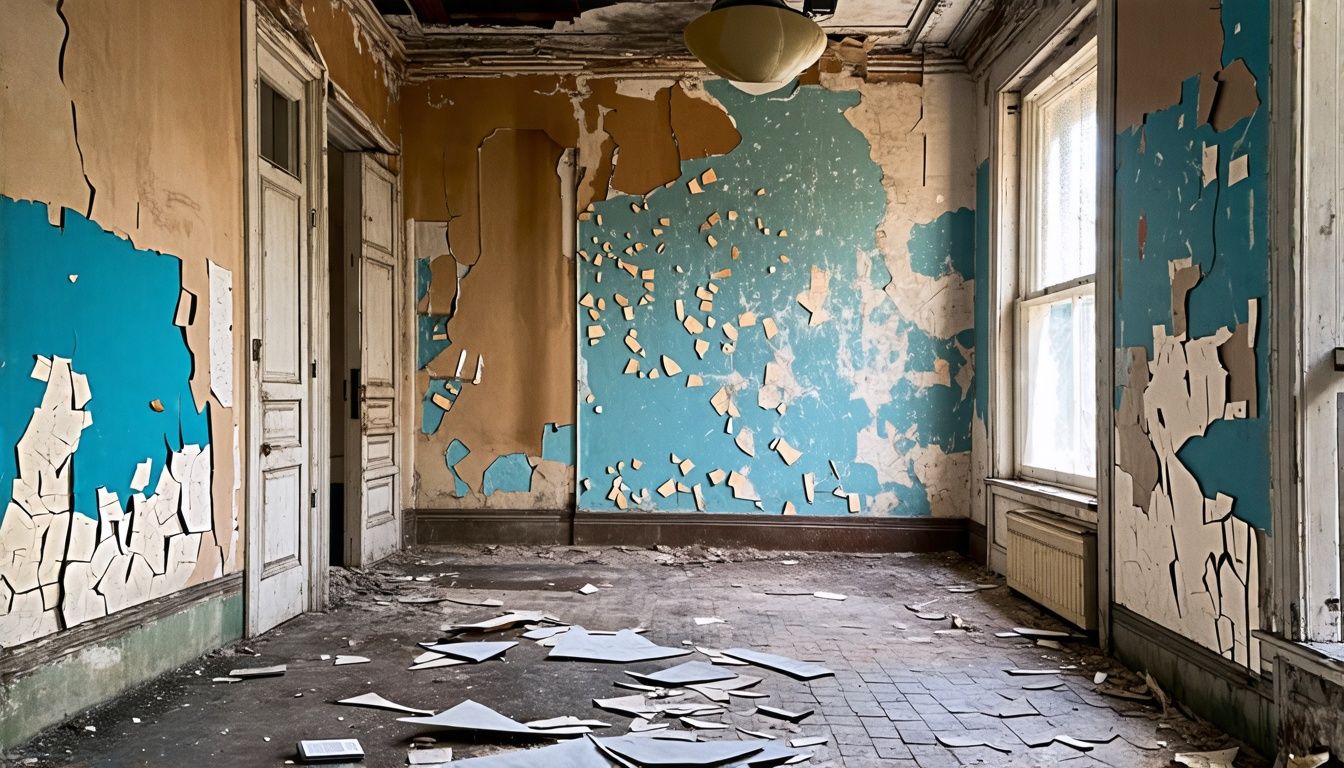
Asbestos still turns up in places people use every day — schools, offices, warehouses, shops, plant rooms, garages and communal areas of residential blocks. If a building was constructed or significantly refurbished before the year 2000, asbestos should never be treated as a remote possibility. It should be treated as a live management issue until a proper survey or test proves otherwise.
The risk does not come simply from asbestos existing within a building. Danger arises when asbestos-containing materials are damaged, drilled, cut, broken, sanded or allowed to deteriorate. For property managers, landlords, contractors and employers, the practical question is always the same: where is it, what condition is it in, and what action is required?
At Supernova Asbestos Surveys, we deal with these questions every day across the UK. The most effective approach is straightforward: identify suspect materials, assess their condition, follow HSE guidance, and choose the right survey before any maintenance, refurbishment or demolition work begins.
What Is Asbestos?
Asbestos is a naturally occurring mineral made up of microscopic fibres. Those fibres are strong, heat-resistant, chemically resistant and exceptionally durable — which is precisely why asbestos was used so widely in manufacturing and construction for decades.
There is no single product called asbestos. Instead, it was blended into thousands of materials to improve fire resistance, insulation, strength and longevity. That is why asbestos can be found in everything from pipe lagging and insulating board to floor tiles, roofing sheets and textured coatings.
In broad terms, asbestos minerals fall into two main groups:
- Serpentine asbestos — mainly chrysotile, commonly called white asbestos
- Amphibole asbestos — including amosite and crocidolite, commonly called brown and blue asbestos
From a building management perspective, the exact fibre type matters less than the product itself, its condition, its friability and the likelihood of disturbance. A damaged high-risk insulation product presents a very different issue from intact asbestos cement on a garage roof.
The History of Asbestos and Why It Became So Widespread
Early Uses and the Industrial Era
Asbestos has been known about for centuries. Historical references describe fibrous mineral materials being used wherever resistance to fire and heat was valued. Early uses were limited by extraction methods and the scale of production available at the time.
The real growth in asbestos use came with industrialisation. Factories, shipbuilding, railways, power generation and construction all needed materials that could insulate heat, reduce fire spread and improve durability. Asbestos met those needs cheaply and effectively, and it was blended into cement, boards, textiles, gaskets, insulation products, sprayed coatings and friction materials.
The word asbestos itself comes from Greek, broadly carrying the sense of something inextinguishable or unquenchable. That origin makes sense — it was prized for resisting heat and flame at a time when fire protection and industrial insulation were major engineering concerns.
Discovery of Toxicity and the Regulatory Response
Over time, the health risks associated with inhaling asbestos fibres became undeniable. That changed how asbestos was regulated, handled and ultimately banned. In the UK, asbestos work is now controlled through the Control of Asbestos Regulations, supported by HSE guidance and the surveying standard HSG264.
For dutyholders, the legal position is straightforward in practice: if asbestos may be present, it must be identified and managed properly. Ignorance is not a defence, and the duty to manage applies regardless of whether a building owner suspects asbestos is present.
Why Asbestos Was Added to So Many Products
Asbestos production expanded because the material offered a rare combination of properties. It could resist heat, insulate pipes and boilers, strengthen cement products, improve coatings and reduce wear in industrial components. Manufacturers used it because it was:
- Strong and flexible in fibre form
- Resistant to heat and fire
- Resistant to many chemicals
- Effective as an insulator
- Relatively inexpensive to incorporate into products
- Suitable for large-scale industrial production
That combination led to heavy use across construction and manufacturing for much of the twentieth century. In practical terms, it means asbestos may still be present in buildings of many types — not only in obvious industrial sites. Offices, hospitals, schools and residential blocks can all contain asbestos-containing materials.
Common Asbestos-Containing Products Found in UK Properties
One of the most common misconceptions is that asbestos only appears in old insulation. In reality, it was added to a huge range of products, some presenting higher risks and some lower.
Common asbestos-containing products found in UK buildings include:
- Pipe lagging and boiler insulation
- Sprayed coatings on structural steelwork and ceilings
- Asbestos insulating board (AIB)
- Ceiling tiles and textured coatings
- Cement roof sheets and wall cladding panels
- Soffits, gutters and downpipes
- Vinyl floor tiles and bitumen adhesives
- Roof felt and some underlays
- Gaskets, rope seals and packing materials
- Fire doors and fire protection panels
- Electrical flash guards and backing boards
- Millboard and heat-resistant linings
Higher-Risk Asbestos Materials
Higher-risk materials release fibres more readily when disturbed. These include:
- Pipe lagging and loose-fill insulation
- Sprayed asbestos coatings
- Asbestos insulating board in poor condition
Work on these materials is often licensable and must follow strict procedures under the Control of Asbestos Regulations. They need particularly careful assessment and should never be disturbed without competent professional involvement.
Lower-Risk Asbestos Materials
Lower-risk materials are usually more tightly bound, meaning fibres are less likely to be released under normal conditions. Examples include:
- Asbestos cement sheets and roofing panels
- Guttering and downpipes
- Some floor tiles and bitumen-based products
Lower risk does not mean no risk. Cutting, breaking, sanding or removing these materials without appropriate controls can still release asbestos fibres into the air.
Industries Where Asbestos Was Commonly Used
Asbestos use was not confined to one sector. It spread across industries because it solved practical problems involving heat, fire, friction and insulation. Industries with significant historical asbestos use include:
- Construction and building maintenance
- Shipbuilding and marine engineering
- Railways and transport
- Power generation
- Manufacturing and chemical processing
- Automotive repair
- Heating, ventilation and plumbing
- Oil and gas
- Agriculture, particularly in outbuildings and roofing
- Public sector estates including schools and hospitals
If you manage older premises linked to any of these sectors, asbestos should already be on your risk register. The same applies if you maintain service ducts, plant rooms, risers, ceiling voids or older external structures.
How Building Age and Condition Affect Asbestos Risk
Building age is one of the strongest indicators of possible asbestos presence. If a property was built or significantly refurbished before the turn of the millennium, asbestos may be present in the structure, finishes, services or external elements.
Condition is the second major factor. Intact asbestos in sound condition often presents a lower immediate risk than damaged asbestos in a heavily trafficked area. Risk increases when materials become friable, are exposed to repeated impact, or are likely to be disturbed during planned works.
Typical Risk Patterns by Building Age
- Older buildings — more likely to contain a wider variety of asbestos materials, including higher-risk insulation products such as pipe lagging and sprayed coatings
- Mid-century buildings — often contain asbestos in boards, coatings, flooring, plant insulation and cement products
- Later twentieth-century buildings — may still contain asbestos, especially in cement products, floor finishes and some textured coatings
What Causes Asbestos-Containing Materials to Deteriorate
Even materials that were once in good condition can deteriorate over time. Common causes include:
- Water ingress and leaks
- Repeated impact or vibration
- Poor previous maintenance
- Age-related wear
- Thermal movement around hot services
- Uncontrolled DIY or contractor work
For dutyholders, this is where practical management matters most. A known asbestos board inside a locked riser is a very different issue from damaged ceiling tiles in an actively used corridor. The condition of the material, its location and the likelihood of disturbance all feed into the management decision.
Where Asbestos Is Commonly Found in Buildings
Knowing where asbestos is typically located helps you avoid accidental disturbance and decide whether you need testing, a survey, encapsulation, monitoring or removal. Common locations include:
- Plant rooms and boiler houses
- Pipe runs and service risers
- Ceiling voids and roof voids
- Fire doors and fire stopping
- Partition walls and ceiling tiles
- Floor tiles and adhesives
- Textured wall and ceiling coatings
- External garages, sheds and outbuildings
- Roof sheets, soffits and rainwater goods
- Lift motor rooms and service cupboards
- Behind electrical boards and fuse panels
- Around old heaters, flues and ducts
Some of these materials are visible and accessible. Others are hidden behind finishes or inside building fabric. That is why the scope of any survey matters so much — and why the right type of survey must be matched to the planned activity.
Choosing the Right Type of Asbestos Survey
Not all surveys are the same. The type of survey you need depends on what you are planning to do with the building and what information you already hold.
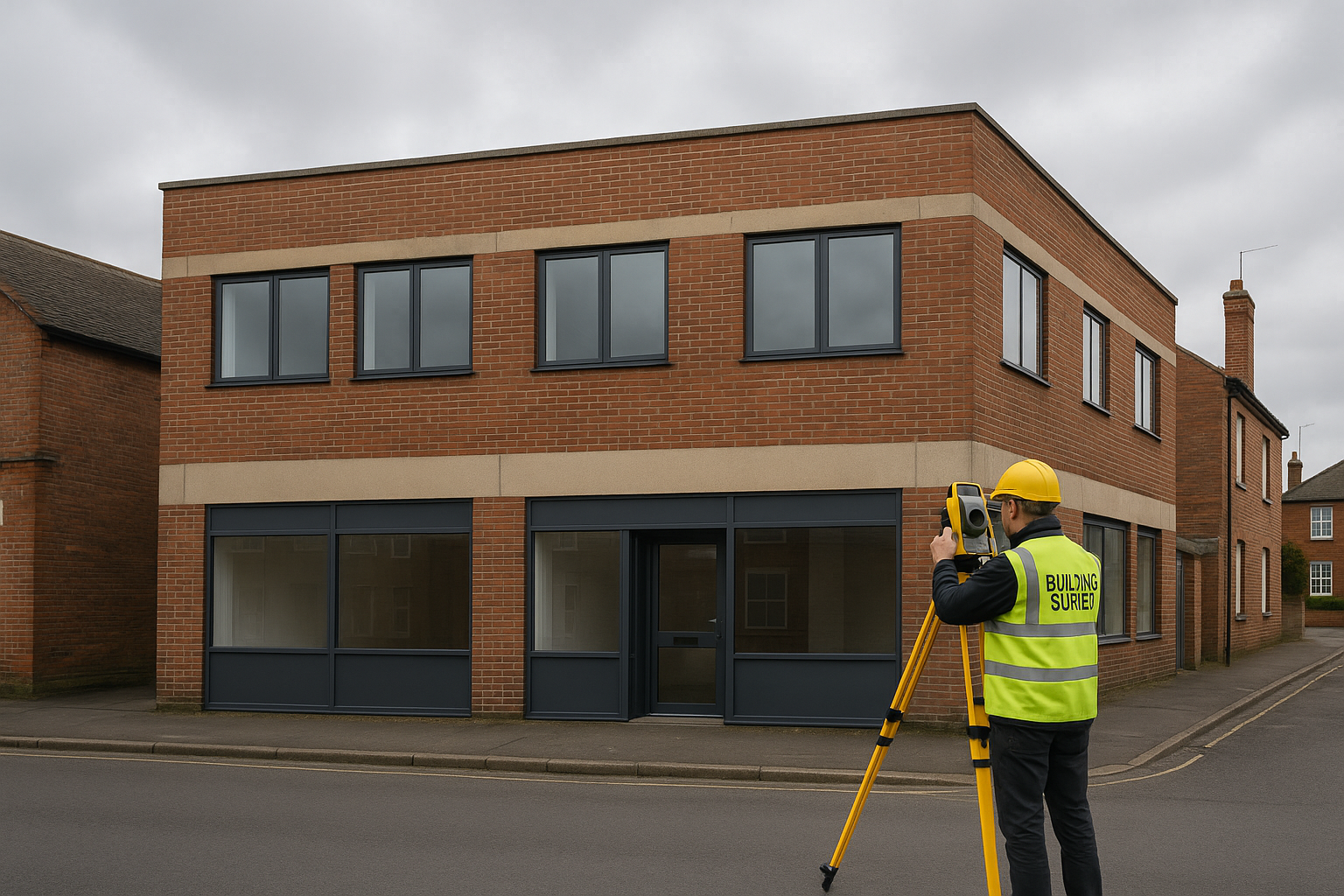
A management survey is the standard survey for occupied buildings. It identifies accessible asbestos-containing materials, assesses their condition and forms the basis of an asbestos register and management plan. This is what most dutyholders need for ongoing compliance.
A refurbishment survey is required before any intrusive maintenance, refurbishment or fit-out work begins. It involves a more thorough inspection of the areas to be worked on, including opening up of building fabric where necessary.
A demolition survey is needed before any full or partial demolition. It is the most thorough type of survey and must be completed before demolition contractors begin work. It covers all accessible and inaccessible areas of the building.
A re-inspection survey is used to monitor the condition of known asbestos-containing materials over time. Where asbestos is being managed in place rather than removed, periodic re-inspection is a legal requirement under the duty to manage.
If you need to identify a specific material quickly — for example, following an accidental disturbance or before a targeted repair — asbestos testing can provide fast, laboratory-confirmed results without the need for a full survey.
A Practical Guide to Asbestos Safety for Workers
Workers do not need to be asbestos specialists to be at risk. Electricians, plumbers, decorators, joiners, telecoms engineers, maintenance staff, caretakers and general builders are often the people most likely to disturb asbestos during routine tasks.
The starting rule is simple: do not assume a material is safe because it looks ordinary. Many asbestos-containing products are visually unremarkable and indistinguishable from non-asbestos alternatives without laboratory analysis.
What Workers Should Do Before Starting Work
- Ask whether an asbestos survey or register exists for the premises
- Check whether the work area contains known or presumed asbestos
- Review the scope of work carefully, especially if it involves drilling, cutting or access into hidden voids
- Stop work and report immediately if suspect material is discovered unexpectedly
- Never rely on visual inspection alone to confirm a material is asbestos-free
What Employers and Dutyholders Must Do
Under the Control of Asbestos Regulations, employers and dutyholders have clear obligations. These include:
- Maintaining an up-to-date asbestos register for non-domestic premises
- Sharing asbestos information with contractors before work begins
- Ensuring workers who may encounter asbestos receive appropriate awareness training
- Commissioning the correct type of survey before any building work starts
- Arranging re-inspections of managed asbestos at appropriate intervals
Failing to share asbestos information with contractors is one of the most common compliance failures seen in the industry. The register exists to protect people — it must be used, not filed away.
Asbestos Surveys Across the UK
Supernova Asbestos Surveys operates nationwide, covering all building types and sectors. Whether you manage a single commercial unit or a large multi-site estate, our surveyors work to HSG264 and provide clear, actionable reports.
We regularly carry out asbestos surveys in London across all property types, from period office buildings to modern mixed-use developments where older building fabric may remain behind later fit-outs.
Our team also delivers asbestos surveys in Manchester, covering industrial premises, retail units, educational buildings and residential blocks across Greater Manchester and the surrounding area.
For clients in the Midlands, we provide asbestos surveys in Birmingham, including pre-refurbishment and pre-demolition surveys for the region’s substantial stock of commercial and industrial property.
If you are unsure which survey type you need, or whether asbestos testing is the right first step for your situation, our team can advise you based on the building type, planned activity and any information already held.
Frequently Asked Questions
Does every building built before 2000 contain asbestos?
Not necessarily, but any building constructed or significantly refurbished before the year 2000 should be treated as potentially containing asbestos until a survey or sampling proves otherwise. Asbestos was used so widely across construction and manufacturing that its presence in older buildings is a reasonable assumption, not an exceptional one.
Is asbestos always dangerous?
Asbestos in good condition that is not being disturbed presents a much lower immediate risk than damaged or friable material. The danger arises when fibres become airborne and are inhaled. That is why condition, location and the likelihood of disturbance are all assessed as part of a proper survey — the presence of asbestos alone does not automatically mean removal is required.
What is the difference between a management survey and a refurbishment survey?
A management survey is designed for occupied buildings and covers accessible areas to support ongoing management of asbestos in place. A refurbishment survey goes further — it is required before intrusive work begins and involves opening up building fabric in the areas to be worked on. Using a management survey where a refurbishment survey is needed is a common and potentially serious compliance error.
Can I test a material myself without using a professional?
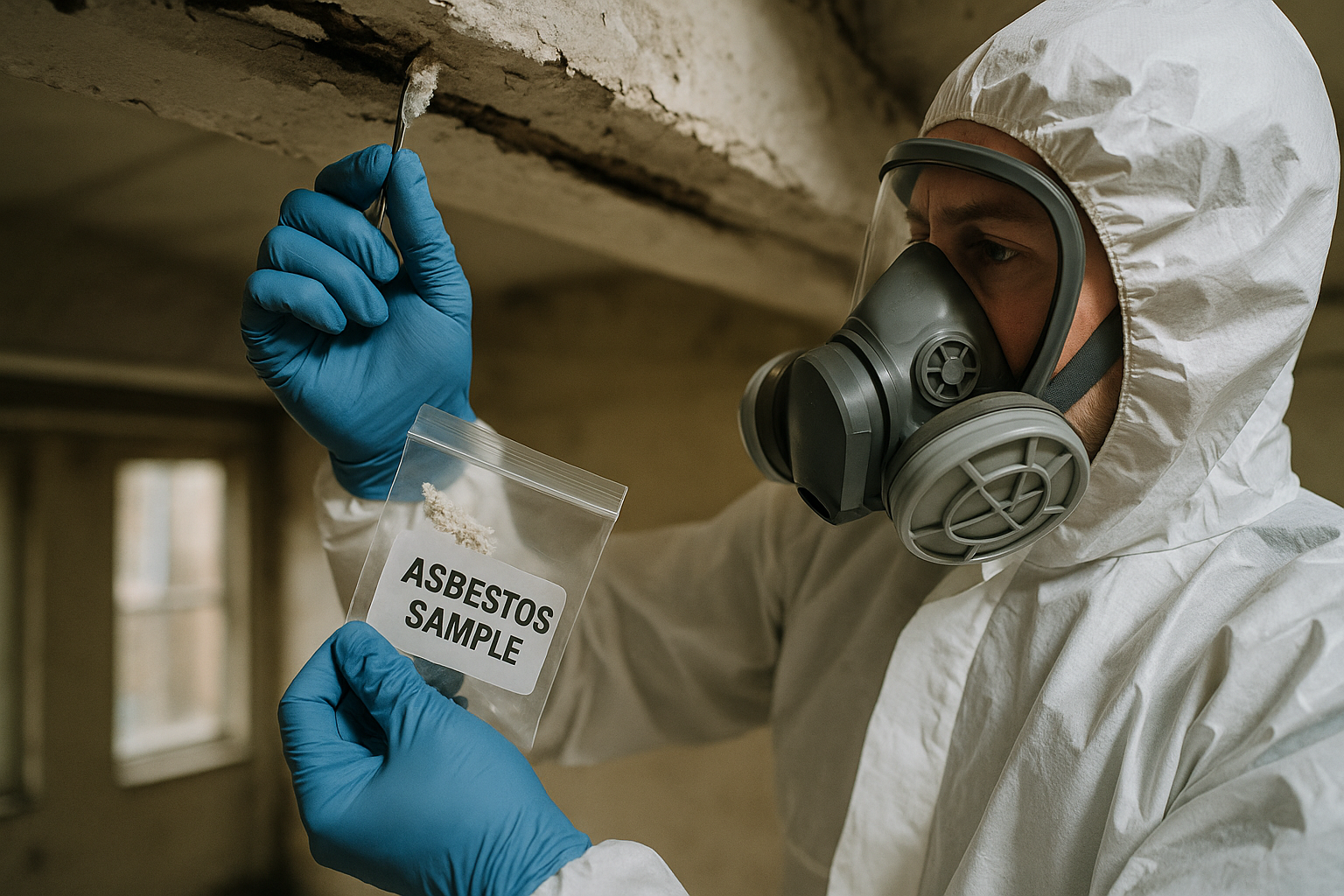
Collecting samples from suspect asbestos-containing materials without proper training and equipment can itself create a risk of fibre release. It is strongly advisable to use a competent surveyor or analyst to collect samples safely and send them to an accredited laboratory. Professional asbestos testing provides reliable, defensible results and avoids the risk of self-sampling creating the very exposure it is meant to assess.
How often should known asbestos be re-inspected?
Where asbestos is being managed in place rather than removed, the duty to manage under the Control of Asbestos Regulations requires that its condition is monitored at suitable intervals. In practice, annual re-inspection is common for most managed materials, though higher-risk or deteriorating materials may need more frequent review. A competent surveyor can advise on the appropriate frequency for your specific situation.
Speak to Supernova Asbestos Surveys
If you manage a property built or refurbished before 2000, asbestos management is a legal duty — not an optional extra. Whether you need a management survey, a pre-refurbishment inspection, demolition survey, re-inspection or rapid laboratory testing, Supernova Asbestos Surveys has the expertise and national coverage to help.
With over 50,000 surveys completed across the UK, our team works to HSG264, produces clear and actionable reports, and provides straightforward advice on next steps. We cover all sectors, all building types and all regions.
Call us on 020 4586 0680 or visit asbestos-surveys.org.uk to book a survey or discuss your requirements with our team.