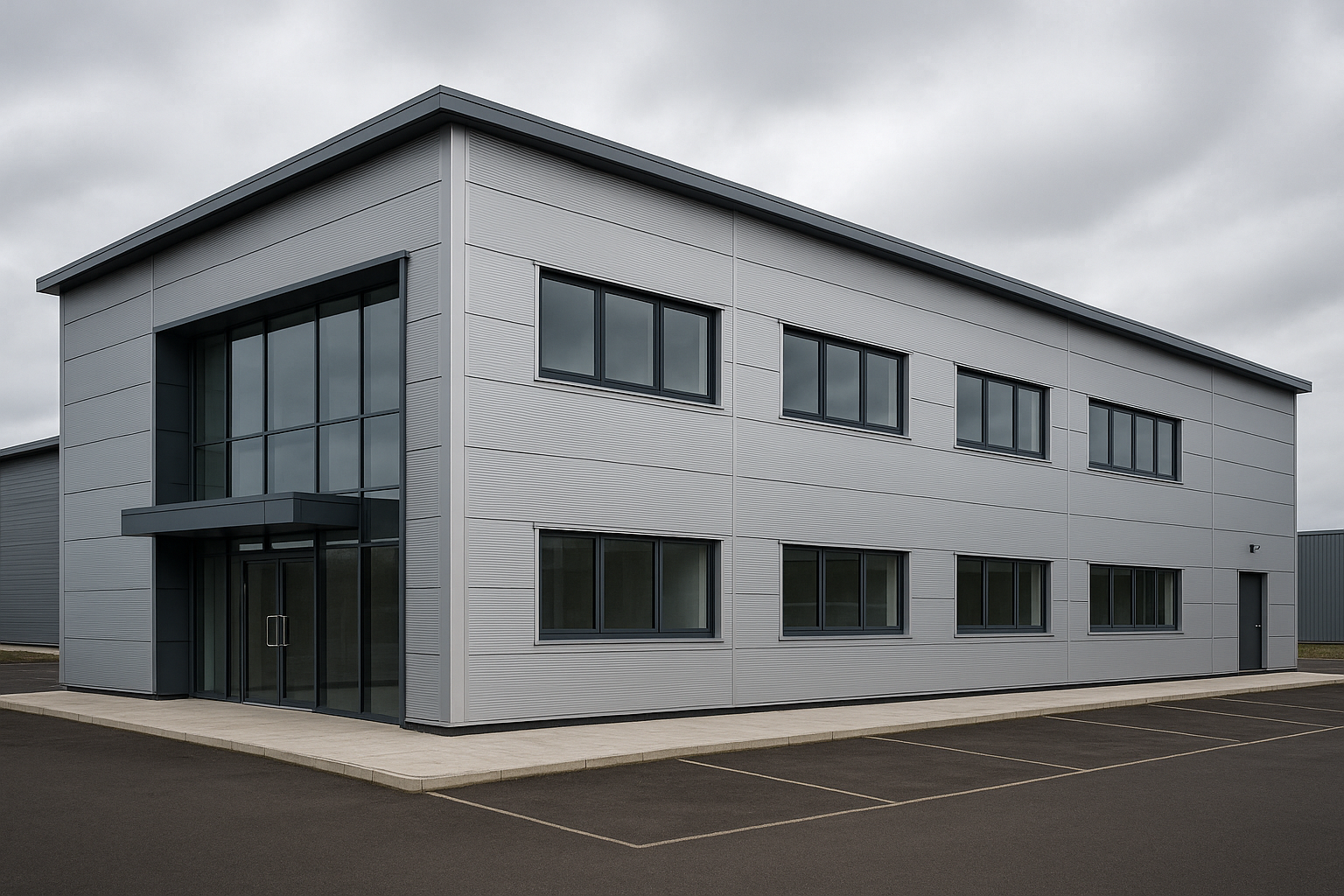
One unexpected asbestos find can throw a commercial programme off course in a matter of hours. When that happens, the first thing most property managers want to pin down is asbestos abatement cost — and the second is why one quote can be dramatically higher than another.
The answer is rarely as simple as square metre rates or waste volume. In commercial buildings, asbestos abatement cost is shaped by the material involved, the condition it is in, how accessible it is, whether the premises are occupied, what survey information is available, and what level of control the work demands under the Control of Asbestos Regulations and HSE guidance.
If you are budgeting for works in an office, warehouse, school, retail unit, industrial unit or mixed-use property, rough online figures are not enough. You need to understand what drives cost, what can be planned out in advance, and where a cheap price usually creates a more expensive problem later.
What affects asbestos abatement cost in commercial properties?
There is no single national price list for asbestos work. A straightforward job removing intact asbestos cement sheets from an accessible outbuilding is completely different from licensed removal of damaged asbestos insulating board in a live office block.
That is why asbestos abatement cost can vary so widely even between buildings of a similar size. The real cost sits in the risk, the controls, the logistics and the disruption to the site.
Type of asbestos-containing material
Some asbestos-containing materials are more expensive to deal with because they are more friable and more likely to release fibres when disturbed. The product the asbestos is bound into often matters more in pricing terms than the asbestos type alone.
- Usually lower-cost work: asbestos cement, some floor tiles, certain textured coatings, where condition and method allow simpler controls
- Usually higher-cost work: asbestos insulating board, pipe lagging, sprayed coatings and other friable materials requiring tighter containment
The more easily a material can release fibres, the more the asbestos abatement cost tends to rise. Labour, enclosures, decontamination and waste procedures all become more demanding.
Condition of the material
Condition has a direct impact on risk and price. Intact materials in stable condition are generally easier to manage or remove than cracked, broken or previously disturbed materials.
Once debris is present, the clean-up can be more involved than the original removal task. That can increase asbestos abatement cost very quickly, especially in occupied or sensitive premises.
Size, volume and layout
Large areas often cost more, but layout can matter just as much as volume. A small plant room with poor access may be more expensive than a larger open area because the work is slower and the controls are harder to set up.
Commercial properties also bring complications such as ceiling voids, service risers, lift shafts, basements and phased work areas. Each one can add time, supervision and analyst attendance.
Access and occupancy
Access restrictions are a major pricing factor. High-level work, confined spaces, restricted loading zones, shared entrances and city-centre logistics all affect the final quote.
Occupied premises add another layer. If contractors need to work out of hours, isolate routes, protect nearby tenants, or phase the job floor by floor, asbestos abatement cost will reflect that operational complexity.
Programme pressure
Urgent works usually cost more. Fast mobilisation, weekend working and compressed programmes can all increase labour and management costs.
Where a project has already started and asbestos is found late, the price often rises because the contractor is pricing around disruption, delay and uncertainty. Early planning nearly always gives you better control over asbestos abatement cost.
Why surveys have such a big impact on asbestos abatement cost
Many pricing problems start before removal is even discussed. If the asbestos information is incomplete, out of date or not matched to the planned works, contractors are forced to price for unknowns.
That usually leads to one of two outcomes. Either the quote is padded to cover risk, or it looks attractively low at the start and grows through variations once the work begins.
Management information is not enough for intrusive works
A standard management survey is designed to help dutyholders locate, as far as reasonably practicable, asbestos-containing materials that could be disturbed during normal occupation, routine maintenance or simple installation work.
It is not intended to support intrusive refurbishment or demolition. If your project involves opening up the building fabric, you will usually need a more intrusive survey before any asbestos abatement cost can be priced reliably.
Refurbishment surveys reduce uncertainty
Before strip-out, major maintenance or fit-out works, a refurbishment survey should be carried out in the specific areas affected by the planned works. This helps identify asbestos in hidden voids, behind finishes and within construction elements that will be disturbed.
For commercial clients, this is one of the most effective ways to control asbestos abatement cost. It reduces guesswork, limits delays and gives contractors clear information to price against.
Demolition surveys are essential before demolition
If a structure, or part of a structure, is due to be demolished, a demolition survey is required. This is the most intrusive survey type and is intended to locate all reasonably accessible asbestos-containing materials within the demolition scope.
Without it, demolition pricing is unreliable and compliance is at risk. It is far cheaper to identify asbestos properly before demolition starts than to stop works after contamination is discovered.
What is usually included in asbestos abatement cost?
When comparing quotes, look beyond the headline number. A professional contractor is not simply charging to remove material from site.
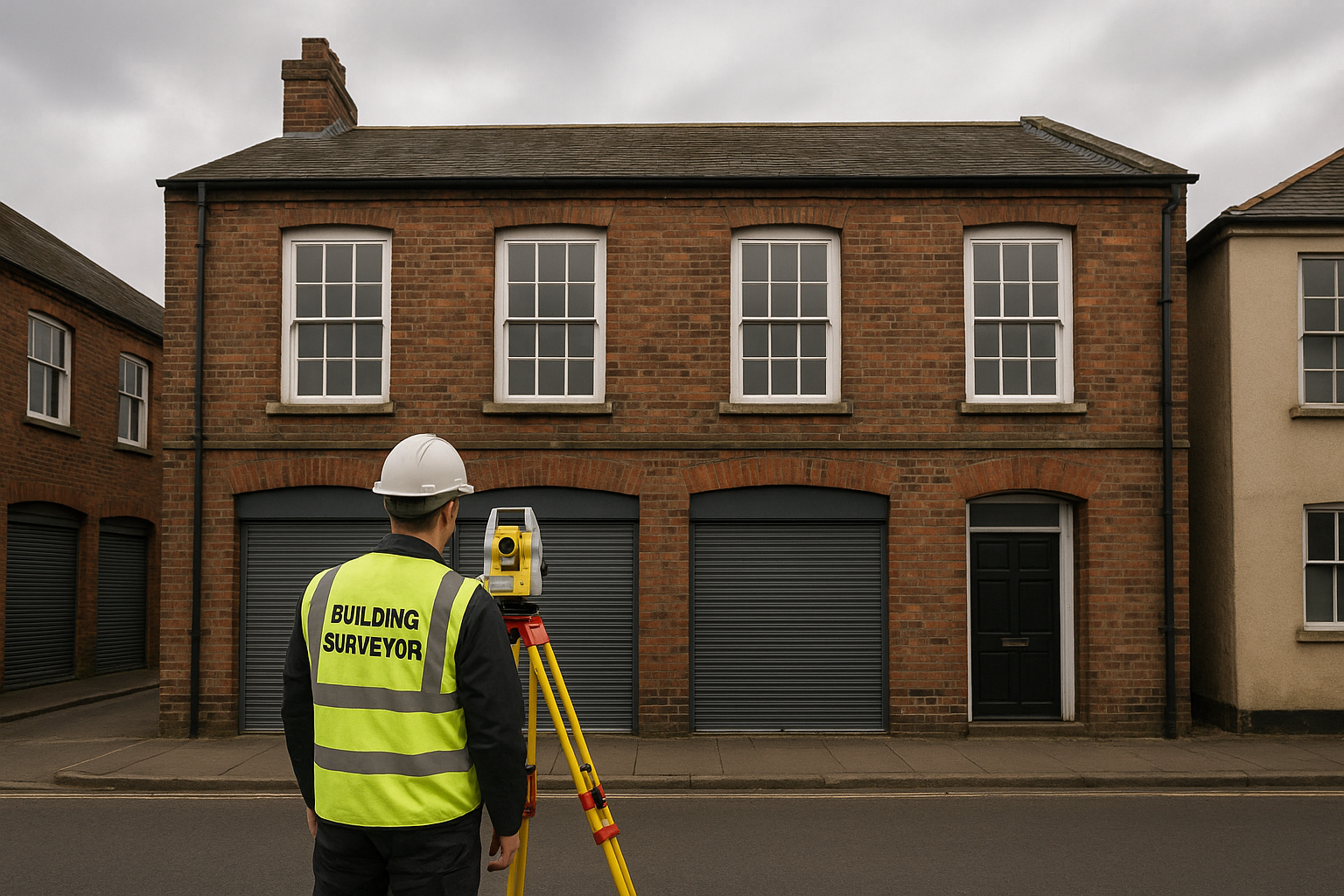
Commercial asbestos abatement cost often includes several separate elements, some bundled together and some listed separately. If one quote seems far cheaper, check what has been left out.
- Surveying and sampling
If asbestos has not yet been identified properly, the first cost is the survey, any sampling, laboratory analysis and report preparation. This early spend often saves money overall because it makes the rest of the project more predictable.
- Planning and documentation
Commercial work requires site-specific planning, risk assessments, method statements and, where required, notification procedures. Waste routes, enclosures, decontamination arrangements and emergency procedures all need to be planned properly.
- Labour and supervision
Specialist labour is one of the biggest cost drivers. Higher-risk materials need slower working methods, more supervision and tighter control on site.
- Enclosures and equipment
For higher-risk work, contractors may need enclosures, negative pressure units, specialist vacuums, airlocks, decontamination facilities and personal protective equipment. These are not optional extras. They are core parts of compliant asbestos work.
- Waste packaging, transport and disposal
Asbestos waste must be packaged, labelled, transported and disposed of correctly as hazardous waste. Disposal charges can vary depending on waste type, quantity, transport distance and the receiving facility.
- Independent analyst fees
Some projects require independent analytical services for air monitoring and clearance procedures. These are often charged separately, so they should be included in your budget before you compare quotes.
Licensed and non-licensed work: why the category changes the price
One of the biggest influences on asbestos abatement cost is whether the work is licensed, notifiable non-licensed or non-licensed. The category depends on the material, its condition and the planned work method.
This should never be guessed. A competent surveyor and contractor should assess the scope against the Control of Asbestos Regulations and relevant HSE guidance.
Licensed work
Licensed asbestos work generally involves higher-risk materials such as asbestos insulating board, lagging and sprayed coatings, or work where fibre release risk is significant. It must be carried out by a licensed contractor under stricter controls.
Because of those controls, licensed projects usually sit at the higher end of asbestos abatement cost. The quote may include enclosure construction, decontamination units, more extensive supervision and independent clearance arrangements.
Non-licensed and notifiable non-licensed work
Some lower-risk tasks can be carried out without a licence, provided the work is properly assessed and suitable controls are in place. That does not mean the job is casual or low-stakes.
Commercial clients should be cautious if a contractor describes everything as non-licensed without clear reasoning. A low price based on the wrong work category can create serious compliance and safety issues later.
Asbestos abatement cost by material and project type
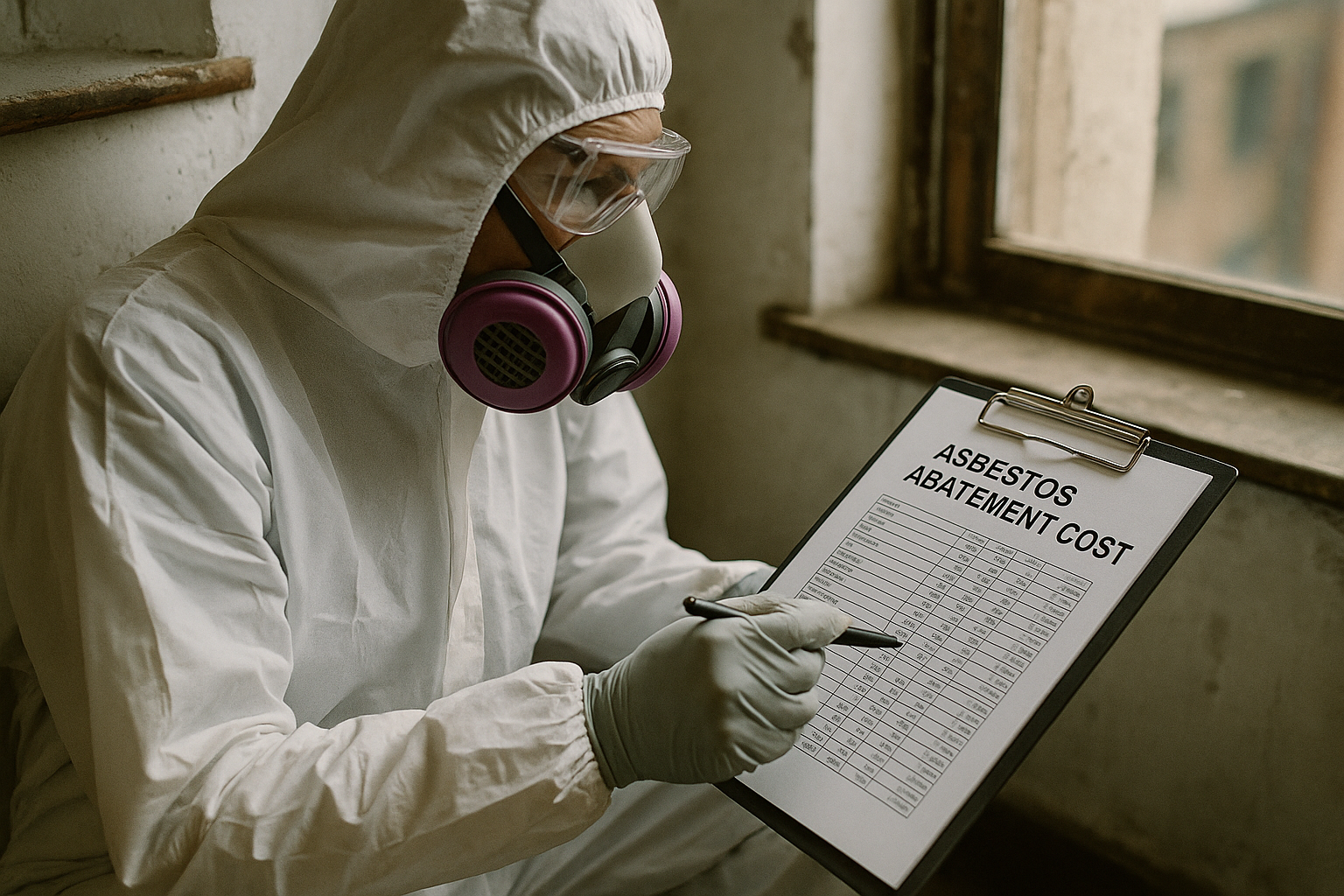
Exact figures vary by region, access, contractor method and site conditions, so broad figures should only ever be treated as indicative. Still, it helps to understand which materials generally sit at the lower or higher end of asbestos abatement cost.
Asbestos cement
Asbestos cement sheets on roofs, walls or outbuildings are often among the lower-cost removal jobs if they are intact and easy to access. Costs rise when sheets are damaged, located at height, or need lifting equipment, edge protection or traffic management.
On commercial sites, the hidden cost is often not the sheet removal itself but access planning, safe working at height and keeping the surrounding area operational.
Asbestos insulating board
Asbestos insulating board is a common reason quotes increase sharply. It is often found in ceiling tiles, partition walls, riser doors, soffits and service enclosures.
Because AIB work is frequently licensed and intrusive, asbestos abatement cost can be significantly higher than for bonded materials. If refurbishment is planned, identifying AIB early is essential.
Pipe lagging and thermal insulation
Lagging removal is usually one of the more expensive categories due to friability, awkward access and the level of containment required. Plant rooms, service ducts and basement runs can become costly quickly.
If your building has older heating or process systems, budget carefully until a proper survey confirms what is present and what condition it is in.
Floor tiles and bitumen adhesives
These materials can be relatively straightforward in some settings, but not always. Substrate condition, removal method and occupancy all affect price.
Large commercial floorplates may look simple on paper, yet programme restrictions and dust control requirements can still increase asbestos abatement cost.
Textured coatings
Textured coatings may fall into a lower-risk category depending on method and condition, but cost still depends on access, surface area and whether the material is being removed or managed in place.
High ceilings, stair cores and occupied areas often make these jobs more expensive than expected.
Removal or management in place?
Not every asbestos-containing material needs immediate removal. In some commercial properties, the safest and most cost-effective option is to leave suitable materials in place and manage them properly.
That decision should be based on material type, condition, location and the likelihood of disturbance. It should also be recorded clearly within your asbestos management arrangements.
When management in place may be suitable
- The material is in good condition
- It is unlikely to be damaged or disturbed
- Its location is known and recorded
- There is a clear inspection and review process
Choosing management in place can reduce immediate asbestos abatement cost, but it does not remove your duty to monitor and manage the risk. If future works are planned, the cost may simply be deferred rather than avoided.
When removal is usually the better option
- The material is damaged or deteriorating
- Refurbishment or demolition will disturb it
- It is in a vulnerable location
- Ongoing management would be impractical
For commercial landlords and facilities teams, the right decision is not always the cheapest short-term option. It is the option that reduces disruption, keeps the building compliant and avoids repeat costs later.
How to keep asbestos abatement cost under control
You cannot eliminate asbestos risk with clever budgeting, but you can avoid many unnecessary costs. The key is to reduce uncertainty before work starts.
- Get the right survey early
Match the survey type to the work. Management information will not give reliable pricing for intrusive projects.
- Define the project scope clearly
Tell the surveyor and contractor exactly what areas will be disturbed, what programme constraints exist and whether the building will remain occupied.
- Plan access and logistics
Think about loading areas, waste routes, tenant separation, out-of-hours access and service isolations before asking for quotes.
- Compare like with like
Check whether analyst fees, disposal, air monitoring, making good and out-of-hours work are included. A lower number is not cheaper if key items are excluded.
- Avoid late discovery
The most expensive asbestos abatement cost is often the one that appears after other trades are already on site and the programme is under pressure.
Regional factors and multi-site portfolios
Location can affect asbestos abatement cost, especially where access is tight or contractor demand is high. City-centre projects may involve restricted vehicle access, permit issues and more complex logistics.
If you manage property across multiple locations, it helps to work with one surveying partner that can provide consistent reporting and practical advice. Whether you need an asbestos survey London, an asbestos survey Manchester or an asbestos survey Birmingham, consistency in survey scope and reporting makes budgeting and contractor comparison much easier.
Choosing the right contractor for asbestos removal
Price matters, but it should not be the only filter. The right contractor should explain the work category clearly, set out the control measures, and provide a quote that reflects the actual scope rather than assumptions.
If removal is required, make sure the proposed asbestos removal approach aligns with the survey findings, HSE guidance and the practical realities of your site. Ask direct questions about access, waste handling, analyst attendance, programme assumptions and what happens if additional asbestos is found.
A good contractor will not promise the lowest asbestos abatement cost at any price. They will help you understand the real cost of doing the job safely, legally and with minimal disruption to the building.
Why cheap asbestos pricing often becomes expensive
A low quote can look attractive when budgets are tight, but asbestos work is one area where underpricing is a warning sign. Missing preliminaries, unrealistic labour allowances or vague exclusions tend to show up later as delays, variations or compliance concerns.
For commercial property managers, the true cost is not only the contractor’s invoice. It is also the impact on tenants, project sequencing, building access and legal duties. If the job has to be paused, re-scoped or repeated, the original saving disappears quickly.
The best way to protect your budget is to start with accurate survey information, a clear scope and a contractor who prices the work honestly from the outset.
Frequently Asked Questions
What is the main factor that affects asbestos abatement cost?
The biggest factors are the type and condition of the asbestos-containing material, whether the work is licensed, how accessible the area is, and whether the building is occupied. Survey quality also has a major effect because poor information creates uncertainty and higher pricing.
Can I get an accurate asbestos abatement cost without a survey?
Not reliably. A contractor may give a broad budget estimate, but accurate pricing usually depends on suitable survey information and, where needed, sampling and analysis. Without that, the quote will either include risk allowances or change once the work starts.
Is asbestos removal always necessary in commercial buildings?
No. Some asbestos-containing materials can remain in place if they are in good condition, unlikely to be disturbed, and managed properly. Removal is typically needed where materials are damaged, vulnerable, or affected by refurbishment or demolition works.
Why do analyst fees sometimes sit outside the main quote?
Independent analysts may be appointed separately for air monitoring and clearance procedures on certain jobs. Because they are independent from the removal contractor, their fees are often shown separately and should be included when comparing total project cost.
How can I reduce asbestos abatement cost on a commercial project?
The most effective steps are to arrange the correct survey early, define the work scope clearly, plan access and logistics in advance, and compare quotes on a like-for-like basis. Early identification nearly always costs less than dealing with asbestos after work has already started.
If you need clear advice on asbestos abatement cost, surveys or removal planning, Supernova Asbestos Surveys can help. We provide nationwide commercial asbestos surveying and support, with practical guidance that keeps projects compliant and moving. Call 020 4586 0680 or visit asbestos-surveys.org.uk to arrange a survey or discuss your site.