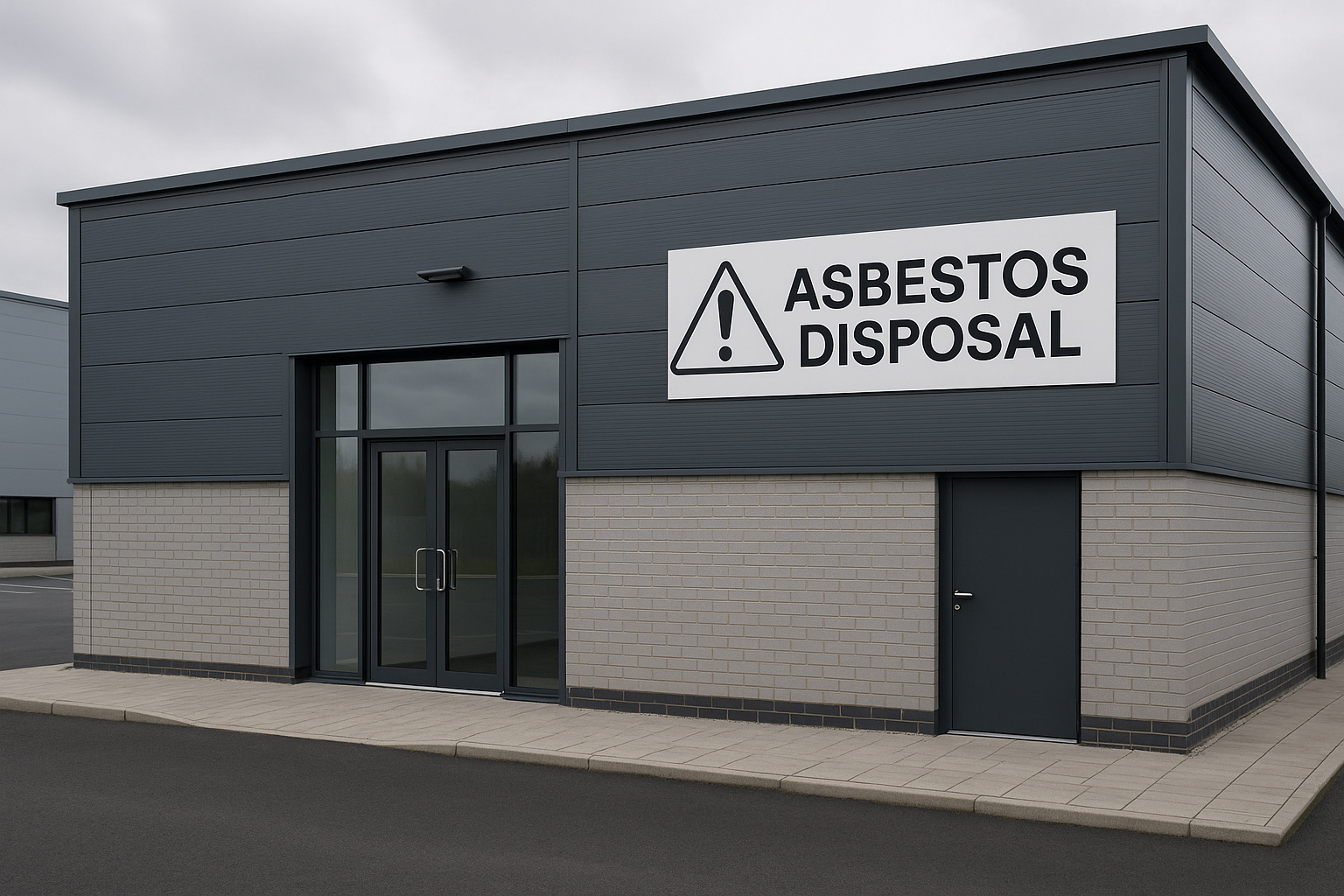
One wrong skip, one unlabelled package, or one unlicensed carrier can turn asbestos disposal into a serious compliance problem. In the UK, asbestos waste cannot be dropped into general construction waste or taken to any convenient tip. It has to follow a controlled route from identification through to final disposal, with the right packaging, transport, paperwork, and receiving site.
That matters whether you manage a single rental property or a national estate. If asbestos is disturbed without a proper plan, you risk fibre release, rejected waste loads, project delays, and enforcement action. The safest jobs are the ones where disposal is considered before removal starts, not after the waste is already sitting on site.
Why asbestos disposal is tightly controlled
Asbestos becomes hazardous when fibres are released and inhaled. That risk rises when materials are drilled, cut, broken, stripped out, or allowed to deteriorate.
The legal framework reflects that risk. The Control of Asbestos Regulations set duties around identifying, managing, and working with asbestos, while waste law and duty of care requirements govern how hazardous waste is stored, transported, and disposed of. Survey work should align with HSG264 and relevant HSE guidance.
In practice, compliant asbestos disposal means making sure:
- the material is identified before it is disturbed
- the work method limits fibre release so far as reasonably practicable
- waste is packaged and labelled correctly
- transport is arranged through the proper route
- the receiving site is authorised to accept that waste stream
- records are retained to show what happened and where the waste went
If one link in that chain fails, the whole job is exposed. That can mean contamination, rejected loads, expensive rework, and awkward questions from regulators or clients.
Where asbestos can and cannot be disposed of in the UK
The short answer is simple: asbestos disposal cannot use a normal skip, a general waste transfer station, or an ordinary landfill unless that site is specifically permitted to accept asbestos waste. You must use an authorised route.
Most asbestos waste is taken to a permitted hazardous waste landfill or another facility operating under the correct environmental permit. You should never assume a local tip, waste yard, or recycling centre can accept it.
Places asbestos waste should not go
- general builders’ skips
- mixed construction waste containers
- standard landfill sites without the right permit
- most household recycling centres unless a council runs a specific asbestos scheme
- bonfires or standard incineration routes
- vacant land, farms, lay-bys, or private yards
- unsecured on-site storage with no lawful disposal plan
Fly-tipping asbestos is not just poor practice. It creates a public health risk, usually triggers specialist clean-up, and can lead to prosecution.
Can household recycling centres accept asbestos?
Sometimes, but only in limited circumstances. Some councils offer pre-booked arrangements for small amounts of cement-bonded asbestos from domestic properties.
That does not mean every council accepts it, and it does not mean commercial waste can use the same route. Always check the exact local rules before moving anything. If you manage properties in different areas, expect disposal options to vary between authorities.
Household and commercial asbestos disposal are not the same
This is where many people come unstuck. A homeowner with a small amount of asbestos cement may, in some areas, be able to use a council collection service or a booked slot at a designated site.
A landlord, contractor, managing agent, facilities manager, or business usually cannot rely on those household arrangements. If the waste comes from rented property maintenance, common parts, planned works, or business activity, treat it as commercial asbestos disposal from the outset.
That means:
- checking the waste route before removal starts
- using suitable packaging and labelling
- arranging transport through the correct channel
- keeping the paperwork in order
Do not assume that low-risk appearance means an informal disposal route. Even asbestos cement needs to be handled lawfully.
Start with identification before asbestos disposal
Good asbestos disposal starts long before the waste leaves site. First you need to know what the material is, where it is, what condition it is in, and whether removal is actually necessary.
Not every asbestos-containing material should be stripped out straight away. If it is in good condition and unlikely to be disturbed, managing it in place may be safer than removal. If work is planned, the correct survey or testing is the first step.
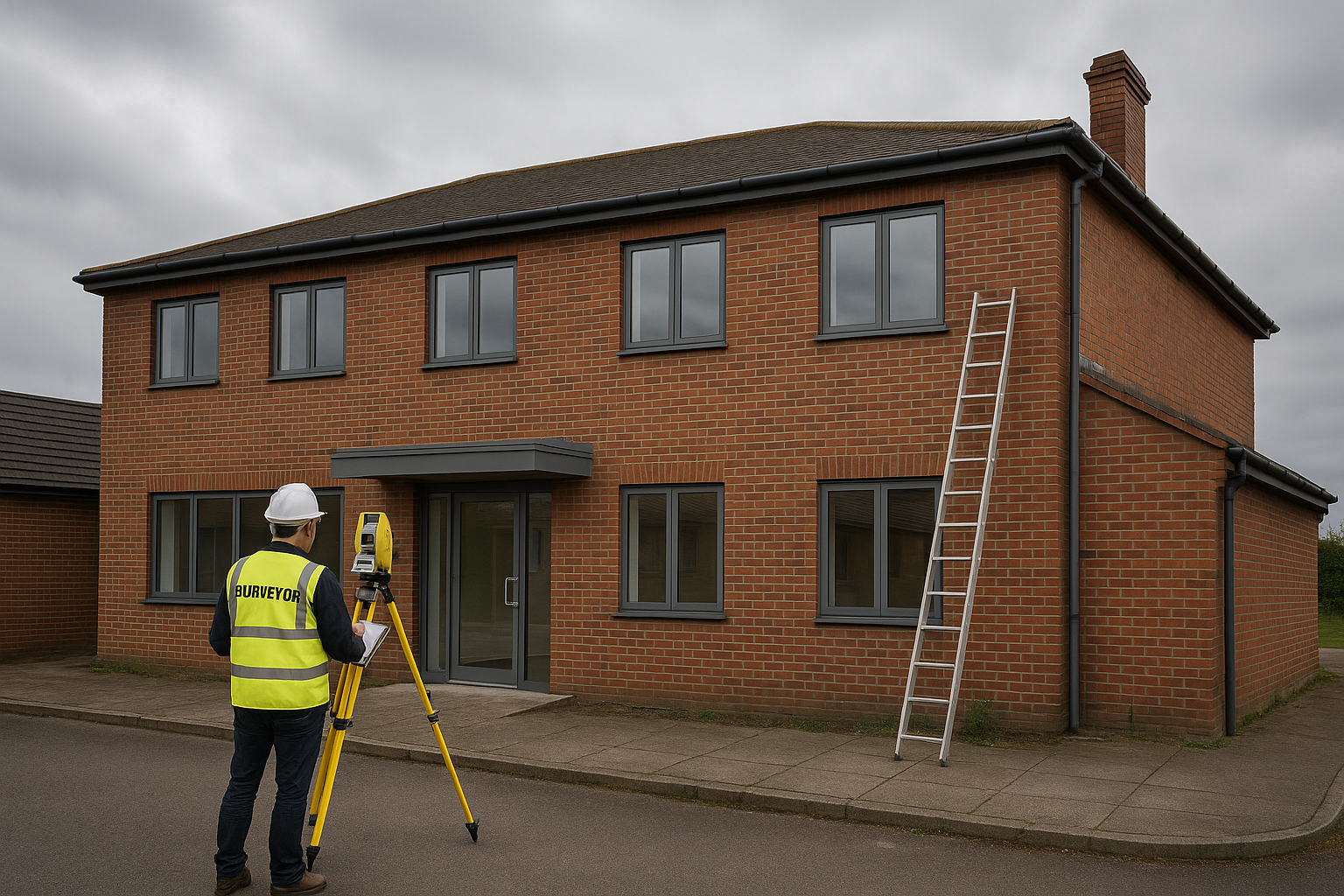
When a survey is needed
For occupied buildings, a management survey is normally the starting point. This helps identify asbestos-containing materials that could be disturbed during normal occupation, maintenance, or minor works.
If intrusive works are planned, a refurbishment survey is usually required. This is designed to locate asbestos likely to be disturbed during refurbishment, upgrades, or strip-out works.
If a building is due to be taken down, a demolition survey is required before demolition starts. This is fully intrusive because the aim is to identify all asbestos that could be disturbed during the demolition process.
When testing is the better first step
If there is uncertainty about a specific material, arrange asbestos testing before anyone touches it. Sampling and analysis can confirm whether a product contains asbestos and help you choose the correct removal and disposal route.
For clients who need a fast answer on a suspect material without commissioning a full survey straight away, dedicated asbestos testing can be a practical first move.
The rule is straightforward: if you do not know what it is, do not drill it, break it, bag it, or move it.
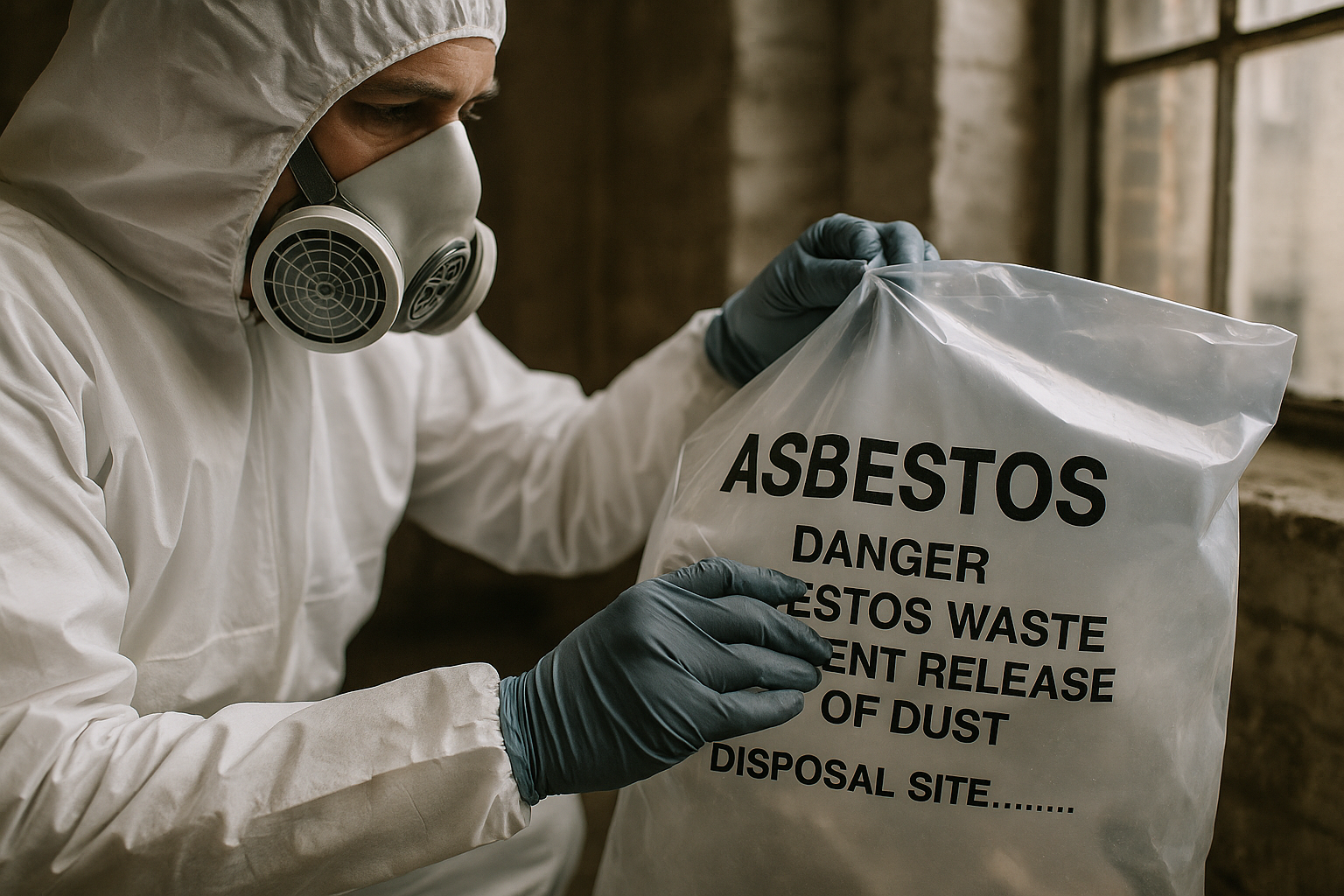
How asbestos waste should be packaged
Packaging is one of the most important parts of asbestos disposal. If the waste is packaged badly, fibres can be released during lifting, storage, loading, transport, or tipping.
The exact method depends on the material type, condition, and size. The objective is always the same: contain fibres and make the package clearly identifiable as asbestos waste.
Common packaging methods
- red inner asbestos waste bags with clear outer bags for suitable smaller waste
- heavy-duty polythene wrapping for boards, sheets, and larger rigid items
- sealed and enclosed skips for properly packaged asbestos waste on larger projects
- enclosed vehicles or sealed containers used by authorised contractors
- specialist packaging where required for more friable or higher-risk waste
Loose asbestos should never be thrown into a standard skip. It should not be mixed with timber, plasterboard, rubble, insulation, or general site waste.
Practical packaging rules
- remove materials as intact as possible
- avoid breaking sheets or boards to make them fit smaller bags
- double-bag or double-wrap where appropriate
- seal all joints and openings securely with strong tape
- apply clear asbestos warning labels
- store packaged waste in a secure area until collection or delivery
- keep the material damp where appropriate, without creating contaminated run-off
If the material is damaged, dusty, or likely to release fibres easily, stop and get specialist advice before packaging it. Guesswork at this stage often creates the contamination you were trying to avoid.
Is there a standard asbestos bag size?
Not across every contractor, site, or local authority. Smaller items are often placed in specialist asbestos waste bags suitable for double-bagging and safe manual handling, but dimensions can vary.
Councils that accept limited household asbestos may issue their own packaging instructions. The safest approach is to follow the requirements given by the disposal site or contractor handling your asbestos disposal. Do not overfill bags and do not force rigid items into packaging that is too small.
Bagged waste versus wrapped waste
Bagged disposal is generally more suitable for smaller debris, fragments, and contaminated PPE under controlled conditions. Large cement sheets, insulation boards, or pipe sections are usually wrapped rather than bagged.
If you know the quantity in advance, plan the packaging before removal starts. Overpacked bags are a common reason for splits, contamination, and rejected loads.
Transport rules for asbestos disposal
Once asbestos waste leaves site, transport becomes a major compliance point. The waste must be moved through the correct route, with suitable containment, correct documentation, and a carrier authorised to transport that waste.
This is not a job for an ordinary van and a vague promise to “sort it at the tip”. If the load is not packaged, labelled, and documented properly, the receiving site may refuse it.
Before waste is transported, check:
- the waste is correctly packaged and labelled
- the carrier is appropriate for the waste being moved
- the receiving facility is authorised to accept that asbestos waste stream
- the paperwork is prepared and retained
- the load can be moved without damage to the packaging
For larger projects, transport should be planned as part of the work sequence. That includes where waste will be stored, how it will be loaded, and how occupants or neighbours will be protected during collection.
What a proper asbestos collection and disposal service should include
A contractor offering asbestos disposal should be able to explain the entire chain, not just the collection. If they cannot tell you how the waste will be packaged, transported, documented, and deposited, you do not have enough information to proceed safely.
A proper service will usually include:
- confirmation of what the material is, supported by survey or testing information where needed
- advice on whether the work is licensed, notifiable non-licensed, or non-licensed
- safe removal or collection arrangements
- correct packaging and labelling
- transport by an appropriate waste carrier
- delivery to a facility authorised to receive that waste stream
- waste documentation and record retention where required
Cheap quotes often hide weak practice. Be cautious if asbestos waste is being bundled into general clearance work with no clear paper trail.
Questions to ask before booking collection
- What type of asbestos waste are you expecting to collect?
- Is the work licensed, notifiable non-licensed, or non-licensed?
- How will the waste be packaged and labelled?
- Who is transporting it?
- Which authorised site will receive it?
- Will I receive the relevant waste paperwork?
- Do you need survey or testing evidence before collection?
These are basic due diligence checks. They protect you if the disposal route is questioned later by a client, regulator, or insurer.
Different asbestos materials can require different disposal routes
Not all asbestos waste is handled in exactly the same way. The disposal route depends on the material, its condition, the quantity involved, and how likely it is to release fibres.
Cement-bonded sheets in good condition are not dealt with in exactly the same way as loose insulation debris, damaged lagging, or contaminated dust. Both require lawful asbestos disposal, but the controls around removal, packaging, and transport can differ.
Factors that affect the disposal route
- whether the asbestos is bonded or friable
- the condition of the material
- the quantity involved
- whether it is sheet material, debris, lagging, insulation board, or contaminated soil
- whether the waste came from domestic or commercial activity
- whether the removal work itself requires additional controls
This is why a one-size-fits-all approach causes problems. The route should fit the waste, not the other way round.
Planning asbestos disposal for larger quantities
Once quantities become significant, asbestos disposal needs proper project planning. Bulk loads from roof replacement, plant room strip-out, refurbishment, or demolition should never be treated as a last-minute skip problem.
Where larger volumes are involved, expect the process to include survey or testing evidence, segregation from other waste, controlled loading, secure storage before collection, and pre-arranged acceptance at the receiving site.
What to plan in advance
- where the waste will be packaged
- where it will be stored securely on site
- how it will be segregated from general waste
- how vehicles will access the loading area
- how occupants and neighbouring premises will be protected
- what documentation will be required
If you leave asbestos disposal until the final day of the job, mistakes are far more likely. Build it into the project plan from the start.
Common asbestos disposal mistakes to avoid
Most disposal failures are not complicated. They happen because someone assumes asbestos can be treated like ordinary building waste.
- starting removal before confirming whether the material contains asbestos
- using a general skip for suspect waste
- breaking sheets to fit into smaller containers
- mixing asbestos with rubble or general demolition waste
- failing to label packaged waste clearly
- using the wrong collection route for commercial waste
- taking waste to a site without checking it can accept asbestos
- forgetting to retain paperwork
- leaving packaged asbestos unsecured on site
Each of these mistakes can create extra cost. More importantly, they can expose workers, occupants, and the public to avoidable fibre release.
Practical advice for property managers and dutyholders
If you are responsible for a building, the easiest way to stay out of trouble is to make asbestos disposal part of your early planning. Do not wait until contractors are already on site asking where to put the waste.
Use this simple checklist:
- Identify suspect materials before works begin.
- Arrange the right survey or testing.
- Decide whether the material should be managed in place or removed.
- Confirm the removal category and controls required.
- Plan packaging, storage, transport, and the receiving site.
- Keep all records together with the job file.
If you manage multiple properties, standardise this process across your portfolio. That reduces rushed decisions and makes contractor oversight much easier.
Local support for asbestos surveys before disposal
Disposal decisions are only as good as the information behind them. If you need to identify asbestos before maintenance, refurbishment, or removal, local survey support can save time and prevent expensive mistakes.
Supernova provides regional help including asbestos survey London, asbestos survey Manchester, and asbestos survey Birmingham. Getting the right survey first makes asbestos disposal far easier to plan properly.
Need help planning asbestos disposal?
If you are unsure whether a material contains asbestos, whether a survey is required, or how to plan a compliant disposal route, get advice before works begin. Supernova Asbestos Surveys carries out asbestos surveys and testing nationwide, helping property managers, landlords, contractors, and dutyholders make safe, compliant decisions.
Call 020 4586 0680 or visit asbestos-surveys.org.uk to arrange expert support with surveys, sampling, and asbestos planning.
Frequently Asked Questions
Can asbestos go in a normal skip?
No. Asbestos disposal should not use a normal skip unless it is part of a controlled and authorised arrangement for properly packaged asbestos waste. In most cases, a general builders’ skip is not suitable.
Can I take asbestos to my local tip?
Only if the site specifically accepts it and you meet its conditions. Some councils accept small amounts of bonded asbestos from domestic properties by appointment, but many do not. Commercial asbestos waste should never be taken on the assumption that a household site will accept it.
Do I need a survey before asbestos disposal?
Often, yes. If asbestos has not already been identified, the right survey or testing helps confirm what the material is and whether removal is necessary. That information is essential for safe asbestos disposal.
Is asbestos cement easier to dispose of than other asbestos materials?
It may be lower risk than friable materials when in good condition, but it still needs lawful asbestos disposal. It should be removed carefully, packaged correctly, and taken only to an authorised site.
What paperwork should I keep after asbestos disposal?
You should keep the records linked to identification, removal, transport, and disposal. The exact paperwork depends on the job, but the key point is being able to show what the waste was, how it was handled, and where it went.