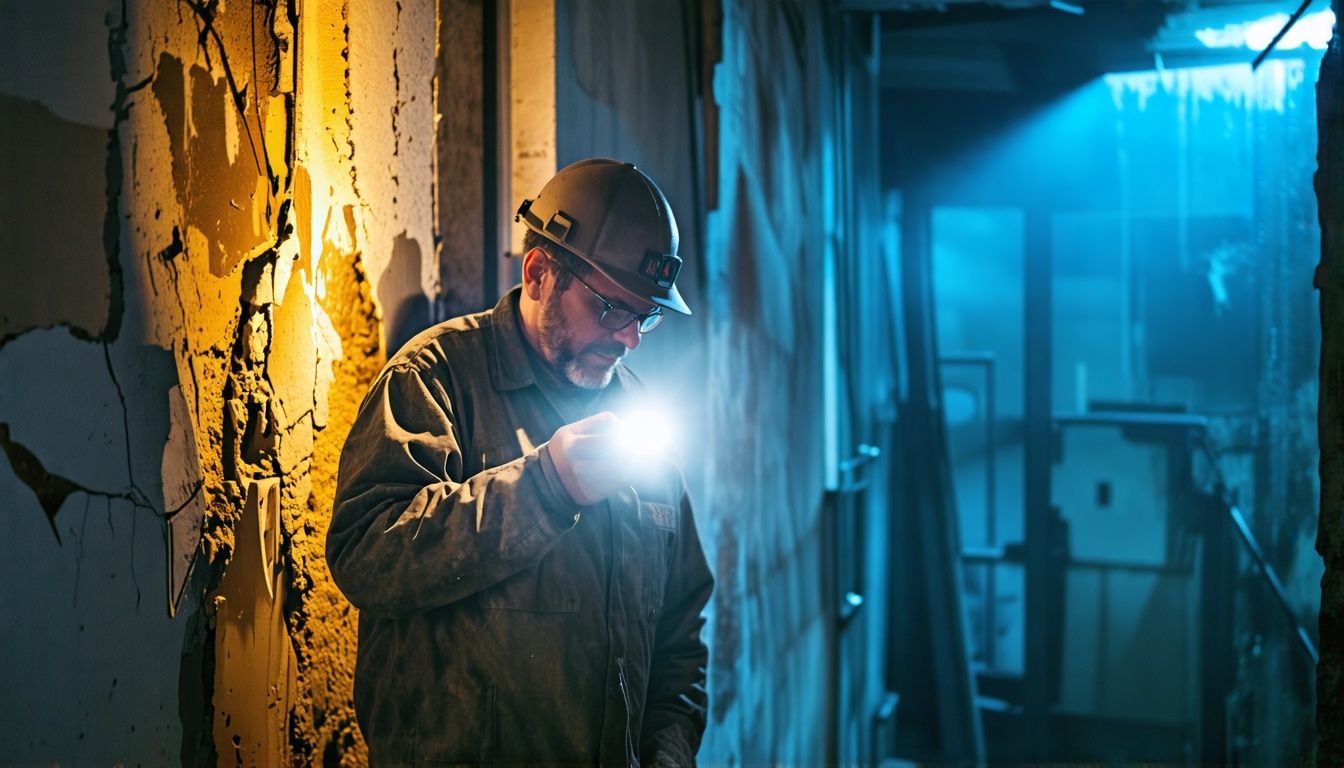
Asbestos kills around 5,000 people every year in the UK. That figure has barely shifted in decades — and it won’t, because asbestos exposure triggers diseases that take 20 to 50 years to develop. People dying today were exposed in the 1970s and 80s. People being exposed right now may not receive a diagnosis until the 2040s.
This is what makes asbestos uniquely dangerous. There’s no immediate alarm, no obvious symptom at the point of contact. By the time a diagnosis arrives, the damage has already been done — sometimes for decades. If you live or work in a building constructed before 2000, understanding what asbestos exposure does to the body, how it happens, and what the law requires of you is not optional. It’s essential.
Why Asbestos Exposure Is So Harmful to the Human Body
Asbestos is a naturally occurring mineral made up of microscopic fibres. When asbestos-containing materials are disturbed — drilled into, cut, sanded, or broken — those fibres become airborne. They are invisible to the naked eye, odourless, and virtually weightless. You can breathe them in without knowing.
Once inhaled, the fibres lodge deep in the lung tissue and the lining of the chest cavity. The body cannot break them down or expel them. Over time, these embedded fibres cause chronic inflammation, progressive scarring, and — in many cases — malignant cell changes.
The long latency period between asbestos exposure and disease is what catches people off guard. A builder who worked with asbestos lagging in the 1980s may only now be receiving a diagnosis. By that stage, treatment options are limited and the prognosis is often poor.
Asbestos-Related Diseases: The Full Picture
Asbestos exposure is linked to a range of serious and life-limiting conditions. Some are cancerous; others are not — but none should be dismissed as minor. Here is what the evidence tells us about each one.
Mesothelioma
Mesothelioma is the disease most closely associated with asbestos exposure — and one of the most aggressive cancers known to medicine. It affects the mesothelium, the thin membrane lining the lungs (pleural mesothelioma), the abdomen (peritoneal mesothelioma), or, less commonly, the heart.
Almost all mesothelioma cases are directly caused by asbestos exposure. There is no other significant risk factor. Symptoms typically include:
- Persistent shortness of breath
- Chest pain or tightness
- A dry, persistent cough
- Unexplained weight loss
- Swelling of the abdomen (in peritoneal cases)
Most patients are diagnosed at a late stage, and median survival after diagnosis is typically measured in months rather than years, though this varies depending on type, stage, and treatment response. Emerging immunotherapy treatments are showing some promise, but mesothelioma remains largely incurable.
Critically, even relatively brief or low-level asbestos exposure can cause mesothelioma. There is no known safe threshold of exposure.
Asbestos-Related Lung Cancer
Asbestos is a recognised cause of lung cancer, entirely distinct from mesothelioma. Where mesothelioma affects the lining around the lungs, asbestos-related lung cancer develops within the lung tissue itself — and is clinically indistinguishable from lung cancer caused by smoking.
Asbestos and tobacco smoke together dramatically multiply the risk. A heavy smoker who has also experienced significant asbestos exposure faces a risk of lung cancer many times higher than either factor alone.
Symptoms mirror those of other lung cancers: a persistent cough, coughing up blood, breathlessness, chest pain, and fatigue. Early-stage lung cancer is often asymptomatic, which is why occupational health screening for those with a documented asbestos exposure history is so important.
Asbestosis
Asbestosis is a non-cancerous but serious and irreversible lung condition caused by sustained asbestos fibre inhalation. The fibres trigger a prolonged inflammatory response, leading to progressive scarring of lung tissue — a process known as pulmonary fibrosis. As the scarring spreads, the lungs lose their elasticity and capacity.
Symptoms include:
- Shortness of breath, initially on exertion and later at rest
- A persistent dry cough
- Chest tightness
- Fatigue
- Finger clubbing in advanced cases
There is no cure for asbestosis. Treatment focuses on symptom management — pulmonary rehabilitation, oxygen therapy, and monitoring for complications such as respiratory infections. The condition also increases the risk of developing lung cancer or mesothelioma.
Pleural Thickening and Pleural Plaques
Pleural disease is the most common consequence of asbestos exposure and encompasses several conditions affecting the pleura — the two-layered membrane surrounding the lungs.
Pleural plaques are discrete areas of thickened, calcified tissue on the pleura. They are the most frequent marker of past asbestos exposure and are generally benign, though their presence indicates that significant exposure has occurred. They are often discovered incidentally on a chest X-ray.
Diffuse pleural thickening is more serious. Extensive scarring causes the pleura to become thick and rigid across a wide area, physically restricting the lungs’ ability to expand. Breathlessness and chest pain are the primary symptoms. The condition is irreversible and can progress over time.
Neither condition should be dismissed. Both require monitoring and, in the case of diffuse pleural thickening, ongoing medical management to preserve quality of life.
Who Is at Risk? The Different Routes of Asbestos Exposure
Occupational Exposure
Historically, the highest levels of asbestos exposure have occurred in trade and industrial settings. Workers in the following industries carry a significantly elevated lifetime risk:
- Construction and demolition
- Shipbuilding and naval dockyard work
- Insulation installation and removal
- Plumbing, electrical, and heating trades
- Roofing and flooring
- Automotive repair (brake pads and clutch linings historically contained asbestos)
- Manufacturing industries that used asbestos in their products
Today, the highest ongoing occupational risk sits with tradespeople working in buildings built or refurbished before 2000 — electricians, plumbers, joiners, and general contractors who regularly disturb materials that may contain asbestos without realising it.
The Control of Asbestos Regulations places legal duties on employers and building owners to manage this risk through surveys, records, and proper controls before any intrusive work begins. A management survey is the starting point for understanding what asbestos-containing materials are present and where they are located in any non-domestic premises.
Environmental Exposure
Environmental asbestos exposure is less well understood but genuinely significant. When asbestos-containing materials deteriorate in older buildings — or are disturbed during uncontrolled demolition — fibres can be released into the surrounding environment.
Communities near former asbestos manufacturing sites, poorly managed demolition projects, or buildings with deteriorating asbestos materials face elevated background exposure. While typically lower than direct occupational exposure, cumulative environmental exposure still carries real health risk over time.
This is precisely why a demolition survey is a legal requirement before any demolition or major refurbishment work begins — not just a box-ticking exercise. It protects workers, neighbouring properties, and the wider public from uncontrolled fibre release.
Secondary (Paraoccupational) Exposure
Some of the most tragic cases of asbestos-related disease involve people who never set foot on a worksite. Secondary exposure — also called paraoccupational exposure — occurs when asbestos fibres are carried home on work clothing, skin, and hair.
Partners who washed work clothes, and children who greeted parents returning from shipyards, factories, or construction sites, have developed mesothelioma as a direct result. This route of asbestos exposure was widely ignored for decades, leaving many families unaware they had any risk at all.
If you have a family history of asbestos-related disease, it is worth discussing your own exposure history with a GP — particularly if you develop any respiratory symptoms.
The Legal Framework: What UK Law Requires
The UK has some of the most detailed asbestos management legislation in the world. The Control of Asbestos Regulations sets out the duties of building owners, employers, and contractors with respect to asbestos-containing materials.
The key legal obligations include:
- The duty to manage — Owners and managers of non-domestic premises must identify asbestos-containing materials, assess their condition and risk, and put a management plan in place to keep them safe.
- Survey requirements — A management survey is required for routine maintenance and occupation. A refurbishment or demolition survey is legally required before any intrusive work or demolition takes place.
- Notifiable work — Licensed contractors must carry out higher-risk asbestos removal work. Non-licensed work still requires specific safety measures and, in some cases, notification to the relevant enforcing authority.
- Training obligations — Any worker liable to disturb asbestos must receive appropriate information, instruction, and training before undertaking that work.
HSE guidance, including HSG264, provides detailed technical direction on how surveys should be planned and conducted. Ignorance of these duties is not a legal defence. Failing to comply can result in substantial fines — and more importantly, real harm to real people.
For buildings where asbestos-containing materials have already been identified, a re-inspection survey is required at regular intervals to monitor the condition of those materials and ensure the management plan remains effective.
How to Confirm Whether Asbestos Is Present
You cannot identify asbestos-containing materials by looking at them. Many materials that contain asbestos are visually indistinguishable from those that don’t. The only reliable way to confirm the presence of asbestos is through laboratory analysis of a physical sample.
Professional asbestos testing carried out by a UKAS-accredited surveyor is the most reliable approach. Surveyors are trained to take samples safely, minimising the risk of fibre release during the sampling process itself.
For those who need to submit a sample for analysis, Supernova offers a straightforward sample analysis service. We also offer a testing kit available directly from our website for those who need to collect their own sample under appropriate conditions.
If you are unsure whether sampling is appropriate in your circumstances, our asbestos testing page sets out the options clearly so you can make an informed decision before proceeding.
What to Do If You Think You’ve Been Exposed to Asbestos
If you believe you’ve had significant asbestos exposure — whether recently or in the past — there are practical steps you should take without delay.
- Speak to your GP. Explain your exposure history in as much detail as possible — when, where, and for how long. Your GP can refer you for respiratory assessment and ensure relevant findings are recorded in your medical history.
- Don’t ignore symptoms. Persistent breathlessness, an unexplained cough, chest pain, or unexplained weight loss should always be investigated promptly — particularly if you have an exposure history.
- Seek legal advice. If your exposure was occupational, you may be entitled to compensation even if the company responsible no longer exists. Specialist industrial disease solicitors frequently operate on a no-win, no-fee basis for asbestos claims.
- Inform your family. If secondary exposure is a possibility, other household members should also be aware of their potential risk and discuss this with their own GP.
Protecting Buildings — and the People Inside Them
The most effective way to prevent future asbestos-related disease is to identify and properly manage asbestos-containing materials before they cause exposure. For the vast majority of buildings, that means starting with a survey.
Where asbestos-containing materials are found to be in poor condition or where they pose an unacceptable risk, asbestos removal by a licensed contractor may be the appropriate course of action. Removal is not always necessary — in many cases, encapsulation or managed retention is the safer option — but that decision must be based on a proper assessment, not guesswork.
If you are based in the capital and need a survey arranged quickly, our asbestos survey London service covers the full city and surrounding areas. For those in the North West, our asbestos survey Manchester team is equally well placed to help.
Supernova Asbestos Surveys has completed over 50,000 surveys across the UK. Our surveyors are fully qualified and UKAS-accredited, working to the standards set out in HSG264 and the Control of Asbestos Regulations. Whether you need a management survey, a refurbishment and demolition survey, or straightforward asbestos testing, we can help you understand what you’re dealing with — and what to do about it.
Call us on 020 4586 0680 or visit asbestos-surveys.org.uk to book a survey or speak to a member of our team.
Frequently Asked Questions
Is there a safe level of asbestos exposure?
No safe threshold of asbestos exposure has been established, particularly for mesothelioma. While the risk of disease increases with the level and duration of exposure, even brief or relatively low-level contact with asbestos fibres has been linked to mesothelioma in some cases. The only safe approach is to prevent exposure from occurring in the first place.
How long after asbestos exposure do symptoms appear?
Asbestos-related diseases have an exceptionally long latency period — typically between 20 and 50 years from the point of first exposure to the appearance of symptoms. This means someone exposed in their twenties may not receive a diagnosis until their sixties, seventies, or even later. It also means symptoms appearing today may reflect exposure that occurred decades ago.
Can asbestos exposure affect people who never worked with it directly?
Yes. Secondary or paraoccupational exposure is well documented. Family members of workers in high-risk trades — particularly those who laundered contaminated work clothing — have developed mesothelioma and other asbestos-related diseases without ever entering a worksite. Environmental exposure near demolition sites or deteriorating buildings is also a recognised risk factor.
What should I do if I find damaged materials I think might contain asbestos?
Do not disturb the material. If it is in a stable condition and not being touched, the immediate risk is low. However, you should arrange professional asbestos testing to confirm whether asbestos is present, and if so, have a qualified surveyor assess the condition and risk. Do not attempt to remove or repair the material yourself unless you have received appropriate training and are working within the legal framework for non-licensed asbestos work.
Are domestic properties covered by the same asbestos regulations as commercial buildings?
The duty to manage asbestos under the Control of Asbestos Regulations applies specifically to non-domestic premises. However, homeowners and landlords still have responsibilities — particularly landlords, who have duties to protect tenants from foreseeable risks. Any contractor working in a domestic property built before 2000 must also take appropriate precautions to avoid disturbing asbestos-containing materials. If you are planning renovation or building work, arranging a survey beforehand is strongly advisable regardless of whether you are legally required to do so.