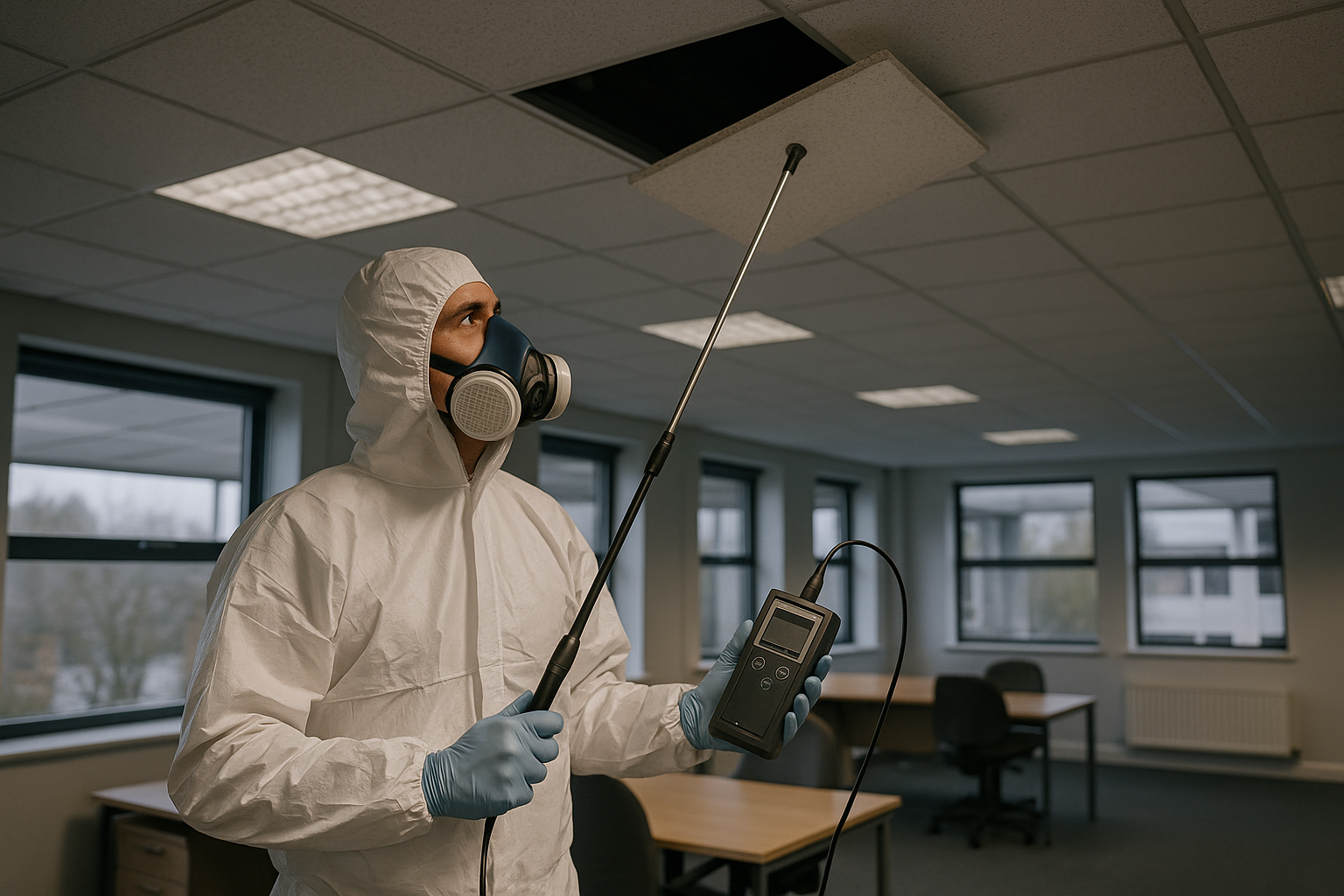
You do not get a harmless practice run with asbestos. One wrong cut into a ceiling, one drilled hole through a service riser, or one overconfident attempt to scrape off an old coating can release fibres before anyone has stopped to ask how to identify asbestos properly. That is why visual clues matter, but proof matters more. If you manage a property, maintain a building, or live in an older home, the safest approach is to recognise suspicious materials early, avoid disturbing them, and arrange competent inspection or testing.
The first thing to keep in mind is simple: you cannot confirm asbestos by sight alone. Learning how to identify asbestos means knowing where it was commonly used, what suspect materials can look like, how risk changes with condition, and when to stop and call in a professional. In the UK, dutyholders, landlords, contractors and property managers must work in line with the Control of Asbestos Regulations, HSE guidance and the survey standards set out in HSG264.
How to identify asbestos: start with suspicion, not guesswork
When people ask how to identify asbestos, they usually want a quick visual answer. The reality is less convenient. Many asbestos-containing materials look similar to non-asbestos alternatives, especially in buildings that have been repaired, refurbished or partly modernised over time.
The safest starting point is to treat older, suspect materials with caution until they have been assessed. A non-intrusive visual inspection can help you recognise warning signs, but it should never turn into poking, scraping, snapping or drilling.
The first checks to make
- Consider the age of the building or refurbishment – older properties are more likely to contain asbestos-containing materials.
- Check the material type – insulation board, pipe lagging, textured coatings, floor tiles and cement sheets are common suspects.
- Look at the condition – damaged, frayed, cracked or broken materials are more likely to release fibres.
- Think about location – asbestos was often used where heat resistance, fire protection or durability were needed.
- Ask what work is planned – drilling, sanding, cutting, demolition and strip-out all increase risk.
If a building is occupied and you need to understand what asbestos may be present during normal use, a management survey is usually the right place to start. If intrusive work, refurbishment or demolition is planned, you will normally need a refurbishment survey before work begins.
How can I tell if a material in my house is asbestos?
This is one of the most common questions homeowners ask, and the honest answer is that you can only tell if a material is suspect by appearance. You cannot tell for certain that a material in your house is asbestos without sampling and laboratory analysis.
That said, there are practical clues that help you narrow down the risk. If a material is in an older part of the property, looks original, sits in a location where insulation or fire protection would have been useful, and resembles a known asbestos product, you should assume it may contain asbestos until proven otherwise.
Common household materials that may contain asbestos
- Textured wall and ceiling coatings
- Garage and shed roof sheets
- Soffits, fascias and rainwater goods
- Boxing around pipes and columns
- Asbestos insulating board in cupboards, risers and partitions
- Floor tiles and bitumen adhesive
- Pipe lagging and boiler insulation
- Ceiling tiles and service panels
- Older fuse board backing panels
- Flue pipes, tanks and bath panels
If you only need a suspect material checked, professional asbestos testing is often the fastest route to a clear answer. For homeowners and landlords who need a local option in the capital, booking an asbestos survey London service can help resolve uncertainty before maintenance starts.
Check the location of the suspect asbestos material
Location is one of the strongest clues when working out how to identify asbestos. Asbestos was not used randomly. It was chosen for jobs where heat resistance, acoustic performance, insulation, fire protection or weather resistance were useful.
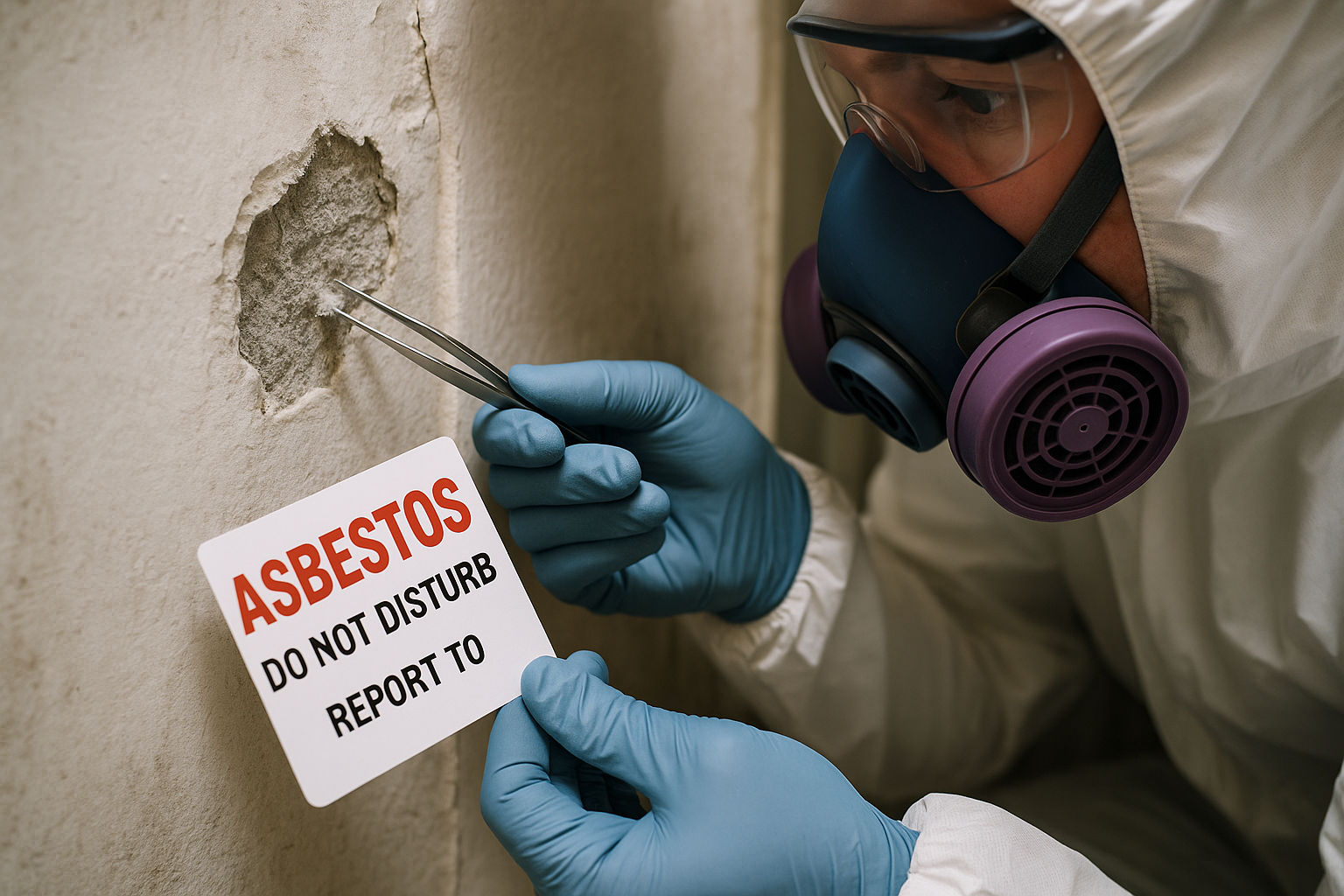
That means the position of a material often tells you as much as the material itself. A plain board fixed around a boiler cupboard deserves more suspicion than a similar-looking modern panel in a new extension.
Inside the property
- Boiler cupboards and airing cupboards
- Service risers and duct panels
- Ceilings with textured finishes
- Partitions and fire protection linings
- Behind radiators and heaters
- Under old floor finishes
- Lofts, basements and plant areas
- Around pipework and calorifiers
Outside the property
- Garage roofs and wall cladding
- Shed roofs and outbuildings
- Soffits and undercloaks
- Rainwater pipes and gutters
- Flues and vent terminals
- Cement panels behind service cupboards
External materials are often asbestos cement, which is generally lower risk when in good condition and left undisturbed. Internal insulation products, sprayed coatings and insulation board are much more likely to release fibres if damaged.
Check joints on buildings for asbestos
Joints are easy to overlook, but they can be very revealing. If you are trying to work out how to identify asbestos in older buildings, pay attention to connection points, seams, packers, gaskets and infill materials. Asbestos was frequently used in these areas because it coped well with heat, movement and fire resistance requirements.
You are not looking for a perfect visual match. You are looking for signs that the jointing material is older, brittle, fibrous, cementitious or out of keeping with modern replacements.
Places to inspect carefully
- Joints between roof sheets on garages and sheds
- Seams in wall cladding panels
- Flange joints on older pipework
- Boiler and plant gaskets
- Fire door cores and edge details
- Service duct covers and panel joints
- Expansion joints and rope seals around heating equipment
Do not prise open a joint to see what is inside. If a seal, gasket or filler looks aged and suspect, leave it alone and arrange inspection. Disturbing small asbestos components can still create a meaningful exposure risk, especially in enclosed spaces.
Inspect the surface pattern
Surface pattern is another useful clue when learning how to identify asbestos. It will not confirm asbestos on its own, but it can help you recognise materials that deserve caution.
Different asbestos products tend to show different finishes. Some are rough and weathered, some are fibrous or powdery at broken edges, and some have decorative patterns that are strongly associated with older asbestos-containing coatings.
Patterns and finishes that should raise suspicion
- Swirls, stipples and fan patterns on ceilings or walls – often seen in older textured coatings.
- Dull, weathered corrugation on garage roofs and cladding – common with asbestos cement sheets.
- Powdery or crumbly board edges – can suggest asbestos insulating board rather than dense cement board.
- Bandaged or cloth-wrapped insulation on pipework – often associated with older thermal insulation systems.
- Hard, small-format floor tiles with black adhesive beneath – a common combination in older properties.
The key point is restraint. Do not scratch the surface to see what is underneath. Do not sand a patch to compare textures. Visual inspection should always be non-destructive unless a competent professional is taking a controlled sample.
What does asbestos look like in common building materials?
There is no single asbestos appearance. It can be hidden inside hard cement, mixed into decorative coatings, pressed into boards, or wrapped around pipes as friable insulation. That is why learning how to identify asbestos means understanding typical products rather than looking for one colour or texture.
Asbestos cement
Asbestos cement is usually hard, rigid and often grey, off-white or weathered. It is commonly found in corrugated roof sheets, wall cladding, soffits, gutters, downpipes, flues and water tanks.
Because the fibres are bound into cement, this is usually a lower-risk material when intact. The risk rises when it is drilled, cut, snapped, pressure-washed, abraded or badly deteriorated.
Textured coatings
Textured coatings often show swirls, stipples, peaks or decorative fan patterns. Many people recognise these as old Artex-type finishes on ceilings and walls.
The pattern alone does not prove asbestos. It does mean the coating should be treated as suspect until tested, especially if removal is planned.
Asbestos insulating board
Asbestos insulating board, often called AIB, usually appears as a flat sheet or panel. It is commonly off-white, grey or grey-brown, and often softer and less dense than cement sheet.
Broken edges may look powdery. AIB was widely used for fire protection in partitions, soffits, risers, ceiling tiles, service boxing and heater cupboards.
Pipe lagging and thermal insulation
Pipe lagging can look fibrous, chalky, rough, bandaged or plaster-like. It may be painted over or hidden under a cloth or metal outer layer.
This is one of the higher-risk asbestos materials because it can be very friable. If it is split, flaking or exposed, stop work immediately.
Floor tiles and adhesive
Older thermoplastic or vinyl floor tiles are often small square tiles found in kitchens, hallways, corridors and service areas. The tile itself may contain asbestos, and so may the black bitumen adhesive beneath.
These materials are often lower risk when intact, but lifting, grinding or scraping them can release fibres and contaminate the area.
Is asbestos in your house dangerous?
Asbestos in your house is not automatically dangerous just because it exists. The main risk comes when asbestos-containing materials are damaged, deteriorating or disturbed. A sealed, intact asbestos cement roof sheet presents a very different level of risk from crumbling pipe lagging in a cupboard.
This distinction matters. Panic leads people to make bad decisions, including DIY removal, aggressive cleaning and unnecessary disturbance.
When asbestos in a house is more dangerous
- The material is damaged, cracked, flaking or broken
- It is friable, such as lagging or sprayed coating
- It sits in an area likely to be knocked, drilled or accessed
- Refurbishment or maintenance work is planned
- Dust or debris from the material is already present
When risk may be lower
- The material is in good condition
- It is sealed, painted or enclosed
- It is a lower-risk product such as intact asbestos cement
- It is unlikely to be disturbed during normal occupation
If you suspect asbestos at home, the practical advice is straightforward: do not disturb it, do not attempt DIY removal, and do not let trades start work until the material has been assessed. If you are based in the North West, arranging an asbestos survey Manchester appointment can help you make safe decisions before any work begins.
How much asbestos exposure is harmful?
There is no simple exposure threshold you can safely use at home or on site. Asbestos-related disease risk depends on several factors, including the type of fibre, how much was released, how long exposure lasted, how often it happened, and whether the material was friable.
What matters in practice is this: any avoidable exposure should be prevented. That is the basis of UK asbestos control. You should never assume that a small release is acceptable just because it looked minor or happened quickly.
What affects the level of harm?
- Type of asbestos material – friable materials generally release fibres more easily than cement-bound products.
- Condition of the material – damaged materials are more likely to release fibres.
- Nature of the task – drilling, sanding, sawing and breaking create more dust.
- Duration and frequency – repeated or prolonged exposure usually increases risk.
- Ventilation and control measures – enclosed spaces can increase the chance of inhaling fibres.
If someone has accidentally disturbed a suspect material, the right response is not guesswork. Stop work, leave the area if dust is present, prevent further access, and get competent advice. If exposure is believed to have occurred, record what happened and seek medical advice if you are concerned, especially after a significant incident.
Common exposure scenarios in homes and buildings
Most asbestos exposure does not happen because someone knowingly handles a labelled asbestos product. It happens during ordinary maintenance, rushed refurbishment or DIY work where nobody stopped to ask how to identify asbestos first.
These are the situations that repeatedly cause problems in domestic and commercial properties.
1. Drilling into walls, ceilings or service boxing
A simple fixing job can become a contamination incident if the surface is textured coating, AIB or another suspect board. Alarm installations, cable runs, shelving and signage are common triggers.
2. Lifting old floor finishes
Contractors often find asbestos only after floor tiles start breaking or black adhesive is scraped back. The material may have been low risk while intact, but removal changes the picture.
3. Working in lofts and boiler cupboards
Pipe insulation, tank insulation and old insulating boards are often hidden in these spaces. They may be damaged by storage, previous repairs or poor access.
4. Garage and shed roof repairs
Asbestos cement sheets are often drilled, pressure-washed, broken or removed without proper controls. Even lower-risk materials need the right handling methods.
5. Popcorn ceiling removal
Older decorative ceilings are often scraped, sanded or steamed off during redecoration. That creates unnecessary risk if the textured coating contains asbestos.
6. Bathroom and kitchen refurbishment
Behind old wall panels, under flooring and around service penetrations, asbestos-containing materials can be hidden beneath later finishes. Refurbishment work is one of the most common ways asbestos is unexpectedly disturbed.
If intrusive work is planned in the Midlands, booking an asbestos survey Birmingham service before contractors start can prevent delays, contamination and costly rework.
Popcorn ceiling removal: why this catches people out
Popcorn ceiling removal sounds cosmetic, but it can become a serious asbestos issue in older properties. Many textured coatings were applied to ceilings and walls decades ago, and some contain asbestos.
The problem is not usually the ceiling sitting there untouched. The problem starts when someone scrapes, sands, drills or strips it without checking first.
Before removing a textured ceiling
- Assume the coating may contain asbestos if it is older or of uncertain age.
- Do not dry scrape or sand a test patch.
- Arrange sampling and analysis before any removal work.
- Make sure the planned removal method is suitable for the confirmed material.
- Use competent contractors who understand asbestos controls.
Depending on the material, its condition and the method of work, textured coating removal may fall into non-licensed work or notifiable non-licensed work. The classification should be based on a proper risk assessment, not a casual assumption.
Examples of lower-risk, non-licensed work activities
Not all asbestos work requires a licensed contractor, but that does not mean it is informal or risk-free. Lower-risk, non-licensed work still requires the right training, equipment, controls, waste handling and task-specific assessment under the Control of Asbestos Regulations and HSE guidance.
The exact classification depends on the material, its condition and how much disturbance the task will cause. Some jobs may instead fall into notifiable non-licensed work, so a competent assessment is essential.
Examples that may be lower-risk non-licensed work
- Carefully removing a small number of intact asbestos cement sheets using controlled methods
- Lifting intact asbestos cement gutters or downpipes without breaking them
- Collecting and disposing of minor debris from asbestos cement, using suitable controls
- Short-duration work on textured coatings where the material is in good condition and fibre release is kept low
- Encapsulation or sealing of certain asbestos-containing materials in good condition
- Removing intact floor tiles that contain asbestos, where breakage is minimised and controls are appropriate
Even where work is non-licensed, it should never be treated as routine general building work. The people doing it must know what the material is, understand the task limits, use suitable control measures and dispose of waste correctly.
Work that should trigger much more caution
- Damaged pipe lagging
- Friable thermal insulation
- Sprayed coatings
- Many tasks involving AIB, especially if cutting or breakage is likely
- Any work likely to create significant fibre release
If there is any doubt about whether the work is licensed, notifiable non-licensed or non-licensed, stop and get competent advice before anyone starts.
How do I get tested for possible exposure to asbestos?
This question can mean two different things, and it helps to separate them. Some people want the material tested to see if it contains asbestos. Others want to know whether they have been exposed after an incident.
If you need the material tested
The safest option is to arrange professional sampling and laboratory analysis. A competent surveyor or sampling professional can take a sample in a controlled way and send it for analysis.
If you need a fast answer on a suspect material, local asbestos testing can confirm whether asbestos is present and help you decide the next step.
If you are worried about personal exposure
If you think you may have inhaled asbestos fibres after disturbing a suspect material, take practical steps straight away:
- Stop the work immediately.
- Leave the area if visible dust or debris is present.
- Prevent others from entering.
- Wash exposed skin gently and change clothing if contaminated.
- Record what happened, including the material, task and duration.
- Seek medical advice if you are concerned, particularly after significant or repeated exposure.
There is no simple home test that tells you whether fibres have been inhaled. Medical assessment may be appropriate in some circumstances, but the immediate priority is preventing further exposure and getting the material identified properly.
What to do if you suspect asbestos
Knowing how to identify asbestos is useful only if it leads to the right action. Too many problems start when someone recognises the risk but carries on anyway to save time.
If a material looks suspicious, use this sequence.
- Stop work – do not drill, cut, scrape, sand or move the material.
- Keep others away – especially if dust or fragments are present.
- Do not clean with a domestic vacuum – that can spread contamination.
- Do not take a DIY sample unless you are properly trained and equipped.
- Arrange professional inspection or testing.
- Choose the right survey type if wider works are planned.
- Keep records if you manage non-domestic premises or common parts.
For property managers, this is not just good practice. In non-domestic premises and common areas of multi-occupied residential buildings, there are legal duties to manage asbestos properly. That includes identifying likely asbestos-containing materials, assessing their condition and keeping information available for anyone who may disturb them.
Professional surveys, testing and why visual checks are never enough
Visual clues are useful, but they have limits. Two boards can look identical, with one containing asbestos and the other not. A textured ceiling may look suspicious, but only analysis can confirm it. A cement sheet may appear sound from below while hidden damage exists at fixings or edges.
That is why professional surveys and testing matter. A competent surveyor does more than point at suspect materials. They assess location, product type, condition, accessibility, likelihood of disturbance and what level of inspection is needed for the task ahead.
When to choose testing
- You have one or two suspect materials and need confirmation quickly
- You want to check a textured coating, floor tile, board or cement sheet before minor work
- You need laboratory evidence before planning removal or encapsulation
When to choose a survey
- You manage a building and need to understand asbestos risk across the premises
- You are responsible for contractors working in the building
- You are planning refurbishment, strip-out or demolition
- You need to comply with asbestos management duties in non-domestic areas
Trying to identify asbestos by eye alone is where many costly mistakes begin. A small upfront check is usually far cheaper than emergency clean-up, project delays and avoidable exposure.
Frequently Asked Questions
Can I identify asbestos just by looking at it?
No. You can identify materials that are suspicious, but you cannot confirm asbestos by sight alone. Proper identification requires sampling and laboratory analysis.
Is intact asbestos always dangerous?
Not always. The main risk comes when asbestos-containing materials are damaged, deteriorating or disturbed. Intact, sealed materials may present a much lower risk, but they still need proper management.
What should I do if I drilled into a material that might contain asbestos?
Stop work immediately, keep people away from the area, avoid further disturbance and arrange professional advice. Do not sweep, vacuum or continue drilling to finish the job.
Can I remove asbestos from my home myself?
Some lower-risk work may be non-licensed, but that does not make it suitable for DIY. The material, condition and task all matter. In practice, professional advice is the safest route before any removal is attempted.
Do I need a survey before refurbishment?
If refurbishment or intrusive work is planned, you will usually need a refurbishment survey before work starts. This helps identify asbestos-containing materials that could be disturbed during the project.
If you need clear, reliable advice on how to identify asbestos, Supernova Asbestos Surveys can help. We carry out surveys, sampling and testing for homes, commercial buildings and public sector properties across the UK. Call 020 4586 0680 or visit asbestos-surveys.org.uk to book the right asbestos service before work starts.