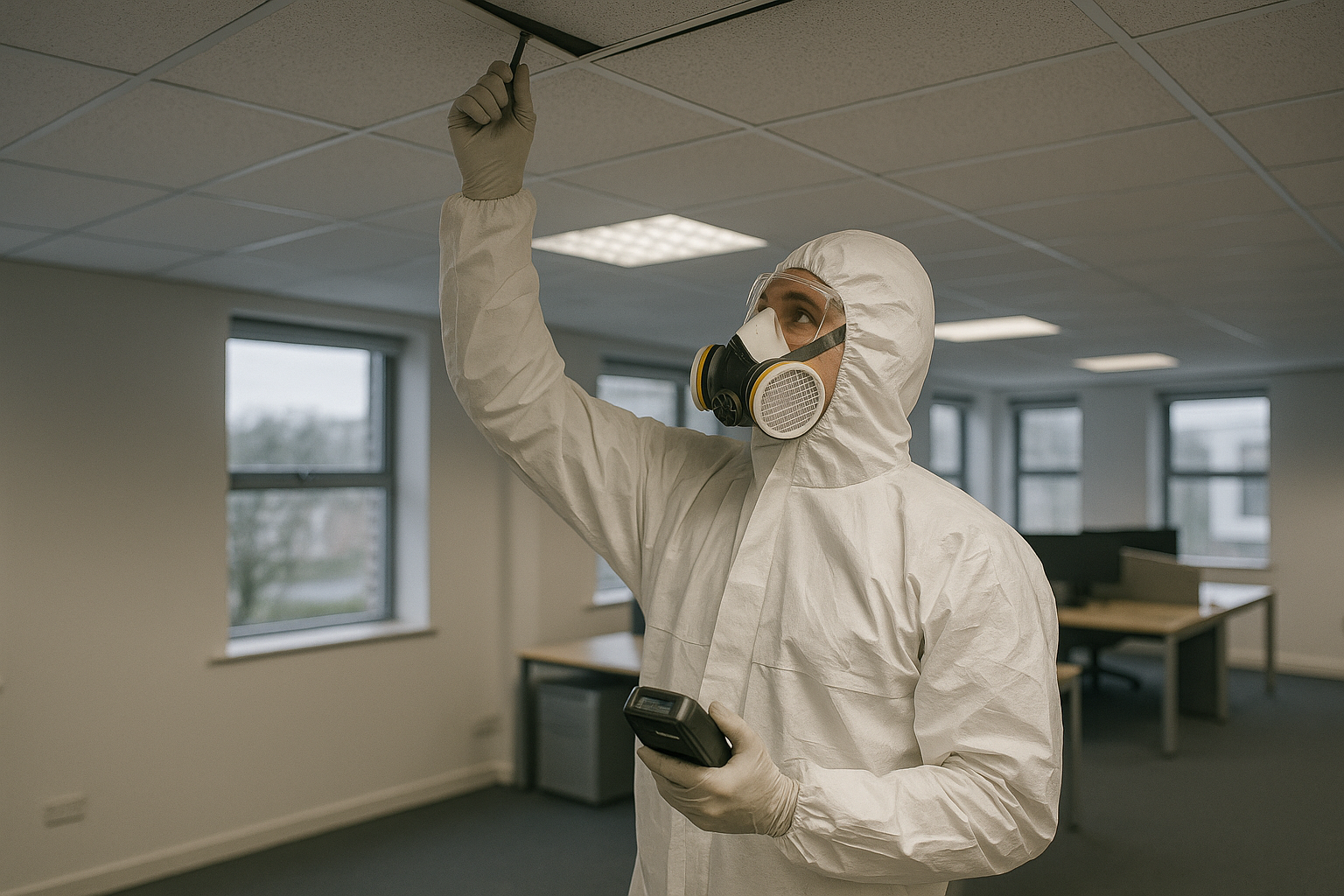
Planning work on an older property can uncover more than dated finishes and hidden repairs. If you are asking where is asbestos found in old homes, the short answer is that it can appear in far more places than most owners, landlords and property managers expect, from garage roofs and floor tiles to pipe lagging, ceiling coatings and boxed-in service areas.
That does not mean every older home is immediately dangerous. The real risk depends on the type of material, its condition, and whether it is likely to be disturbed during maintenance, refurbishment or demolition. Knowing the usual locations is the first step to keeping people safe and staying on the right side of UK asbestos law and HSE guidance.
Where is asbestos found in old homes and why was it used so widely?
Asbestos is a group of naturally occurring minerals made up of tiny fibres. Those fibres are heat resistant, durable and chemically stable, which made asbestos popular in UK construction for decades.
Manufacturers added it to insulation, cement products, textured coatings, boards, floor tiles, adhesives, seals and many other building materials. In homes, it was valued for fire protection, insulation and strength.
The problem starts when asbestos-containing materials are damaged or disturbed. Once fibres are released into the air, they can be inhaled without anyone noticing, and exposure can lead to serious diseases including mesothelioma, asbestosis and asbestos-related lung cancer.
Any home built or refurbished before the UK ban is worth treating with caution. Under the Control of Asbestos Regulations, dutyholders in non-domestic premises and common parts of domestic buildings must identify and manage asbestos risks properly. Survey work should follow HSG264, and all decisions should align with current HSE guidance.
Common places where asbestos is found in old homes
If you want a practical answer to where is asbestos found in old homes, think about hidden layers, service areas and materials that were installed for heat resistance or fire protection. Asbestos was used in both visible finishes and concealed building components.
- Roofs and outbuildings: corrugated cement sheets, roof panels, soffits, fascias and flue pipes
- Lofts and attics: insulation board, pipe insulation, textured coatings and, in some cases, loose fill insulation
- Walls and ceilings: textured coatings, partition boards, ceiling tiles and boxing around services
- Floors: vinyl tiles, thermoplastic tiles and black bitumen adhesive
- Heating systems: pipe lagging, boiler insulation, duct insulation and panels around plant
- Cupboards and service voids: airing cupboards, understairs cupboards, risers and meter areas
- Fire protection points: boards behind fuse boxes, around fireplaces and within some fire doors
- Garages and sheds: cement roofing sheets, wall cladding and old debris left after breakage
You cannot confirm asbestos by sight alone. The only reliable route is inspection by a competent surveyor and, where required, laboratory analysis of samples taken in a controlled way.
What asbestos can look like in a domestic property
One reason people struggle with where is asbestos found in old homes is that asbestos does not have one obvious appearance. It was mixed into many products, so it can look ordinary, painted over, worn, modernised or completely hidden.
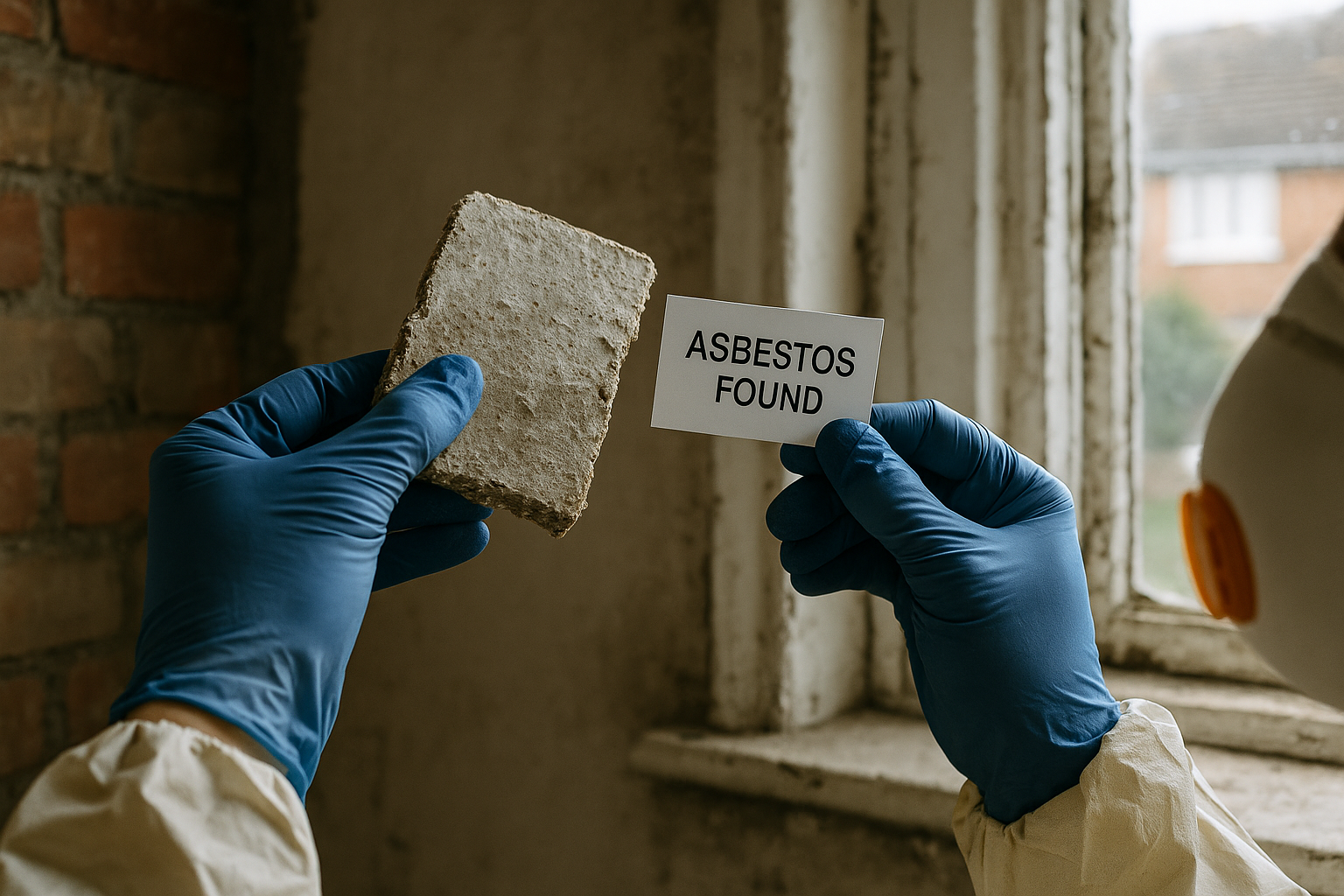
Asbestos cement
Usually grey, off-white or weathered. It is often found in garage roofs, shed panels, rainwater goods, flues and external wall sheets.
Textured coatings
Swirled, stippled or patterned finishes on ceilings and sometimes walls. These can look harmless and are often mistaken for standard decorative finishes.
Asbestos insulation board
Flat boards, often grey-brown or off-white, used in soffits, partition walls, service risers, ceiling panels and fireproof linings. These are typically more fragile than cement products.
Pipe lagging
White, grey or cream insulation around older pipes and heating systems. It may be wrapped in cloth, painted, taped or covered with a hard plaster-like finish.
Vinyl floor tiles and adhesive
Often small square tiles, commonly found under newer flooring. The adhesive beneath may appear black and bituminous.
Loose fill insulation
A fluffy, lightweight insulation that may be found in lofts or cavities in some older properties. This should never be disturbed for the sake of identification.
Appearance alone is never enough to make a safe decision. If work is planned, testing before disturbance is the sensible move.
Room-by-room guide: where is asbestos found in old homes?
A room-by-room check is often the easiest way to assess risk before maintenance or refurbishment. It helps you match likely asbestos-containing materials with the type of work being planned.
Lofts, roof spaces and attics
Lofts are often overlooked because they are used for storage or only accessed occasionally. In older homes, they can contain several asbestos-containing materials in one confined space.
- Asbestos cement undercloaks or roof sheets
- Insulation board panels
- Textured coatings on ceilings or sloping walls
- Insulation around tanks and pipework
- Loose fill insulation in some properties
If you are planning a loft conversion, rewiring or insulation upgrade, do not start boarding, cutting or moving stored items until the area has been assessed.
Pipework, boilers and heating systems
This is one of the most serious answers to where is asbestos found in old homes. Older heating systems often used asbestos lagging or insulation because it retained heat and resisted fire.
Look out for insulation around pipes, old boiler casings, calorifiers and ductwork. If the material is cracked, frayed or crumbling, stop work and keep the area clear.
Walls, ceilings and boxed-in services
Textured coatings and asbestos insulation board are common in older domestic interiors. They may be hidden behind wallpaper, paint, modern panelling or boxing around pipes and cables.
Routine jobs such as fitting spotlights, chasing cables, installing shelves or replacing a ceiling can disturb these materials very easily.
Floors and subfloors
Older vinyl and thermoplastic tiles are regularly found beneath carpet, laminate or newer vinyl. The black adhesive underneath may also contain asbestos.
If old tiles appear during renovation, do not scrape, sand or heat them. Leave them in place until they have been assessed properly.
Kitchens, bathrooms and airing cupboards
These spaces often contain a mix of suspect materials. Floor tiles, service duct panels, boxing around pipework, backing boards and insulation in airing cupboards are all common finds.
Because kitchens and bathrooms are often refurbished in stages, asbestos can remain hidden behind newer units and finishes.
Garages, sheds and external areas
Garages are a classic location when people ask where is asbestos found in old homes. Corrugated cement roofs, wall sheets and soffit boards are still found across the UK.
These materials are often lower risk than pipe lagging or insulation board when intact, but they still need proper identification and safe handling before repair, removal or demolition.
Cutting pipe insulation: one of the highest-risk situations
Of all the places linked to where is asbestos found in old homes, old pipe insulation is one of the most dangerous. Pipe lagging can contain higher-risk asbestos materials that release fibres more easily than cement-based products.

This is not a DIY issue and it is not something a general tradesperson should guess at. If a plumber or homeowner cuts into suspect lagging, the area can become contaminated very quickly.
Warning signs around old pipe lagging
- White, grey or cream insulation on older heating pipes
- Cloth wrapping, tape or a plaster-like outer layer
- Damage around valves, bends and previous repair points
- Dust or debris beneath pipe runs in cupboards, lofts or basements
If you suspect asbestos lagging:
- Stop work immediately.
- Keep other people out of the area.
- Do not sweep, brush or vacuum debris.
- Do not tape over damaged sections as a quick fix.
- Arrange professional inspection and sampling.
That immediate pause can prevent a small issue turning into a costly contamination incident.
Removing vinyl floor tiles: what to do and what not to do
Another common scenario behind the question where is asbestos found in old homes is old floor finishes. Vinyl floor tiles and bitumen adhesive are regularly uncovered during kitchen, hallway and bathroom refurbishments.
The risk rises when tiles are snapped, sanded, mechanically scraped or heated. Even if the tiles look well bonded, aggressive removal methods can disturb both the tile and the adhesive layer below.
If you uncover old floor tiles
- Do not prise them up to inspect the full area
- Do not use a heat gun
- Do not sand adhesive residue
- Do not use power tools for removal
- Do not put suspect waste into normal household rubbish
The safest next step is to isolate the area as far as possible and arrange testing. In some cases, stable material can be left in place and covered, but that decision should come after professional advice, not guesswork.
What homeowners, landlords and property managers should do next
Once you understand where is asbestos found in old homes, the next step is acting sensibly before work starts. Most domestic asbestos incidents happen because someone drills, cuts or strips out a material without checking it first.
Do
- Assume suspect materials in older homes may contain asbestos until proven otherwise
- Arrange checks before refurbishment, rewiring, plumbing or demolition
- Tell contractors about the age of the property and any known asbestos
- Keep records of surveys, samples and recommendations
- Monitor known asbestos-containing materials for signs of damage
- Use competent surveyors and accredited laboratories where sampling is needed
Do not
- Drill, sand, cut or break suspect materials
- Rely on appearance alone
- Sweep up dust from damaged suspect materials
- Use a domestic vacuum cleaner on debris
- Ask general trades to remove higher-risk materials without proper controls
If you manage flats or mixed-use buildings, remember that asbestos duties can apply to common parts such as corridors, stairwells, plant rooms and service risers. That is where formal management arrangements become especially important.
When you need an asbestos survey
If no work is planned and a material is in good condition, immediate removal is not always necessary. What matters is knowing what is present, assessing the risk, and managing it correctly.
A survey is usually the right step when:
- You are buying or managing an older property and want clarity
- You are planning refurbishment or structural work
- You have uncovered a suspicious material during maintenance
- There has been accidental damage to an older board, coating or insulation product
- You need evidence for contractors before work begins
For refurbishment or intrusive work, the survey scope must match the planned works. A basic visual check is not enough if walls, ceilings, floors or service areas will be disturbed.
If your property is in the capital, arranging an asbestos survey London service before renovation can save delays once contractors are on site. The same applies in the North West, where a pre-works asbestos survey Manchester inspection helps identify hidden risks before strip-out starts. For properties in the Midlands, booking an asbestos survey Birmingham visit is a practical way to confirm what is present and what needs managing.
Testing, sampling and legal accuracy
People often want a quick visual answer to where is asbestos found in old homes, but legal compliance and safety depend on proper identification. Sampling should be carried out by competent professionals using suitable controls, especially where higher-risk materials may be involved.
Surveying should follow HSG264. Management decisions, risk assessment and any remedial action should align with the Control of Asbestos Regulations and current HSE guidance.
Practical advice:
- Do not collect your own sample from suspect lagging or insulation board
- Photographs can help with initial triage, but they are not a substitute for testing
- If accidental damage has occurred, stop access and get urgent advice
- Keep all survey reports and sample certificates with your property records
That paperwork matters when contractors ask for asbestos information before starting work.
Frequently Asked Questions
Can I tell if a material contains asbestos just by looking at it?
No. Many asbestos-containing materials look like ordinary building products. The only reliable way to confirm asbestos is through inspection by a competent surveyor and, where required, laboratory testing.
Is asbestos in an old home always dangerous?
Not always. Materials that are sealed, in good condition and unlikely to be disturbed may present a much lower risk. The danger increases when asbestos-containing materials are damaged, drilled, sanded, broken or removed without proper controls.
Should asbestos always be removed from an older property?
No. Removal is not automatically the best option. In many cases, safe management in situ is appropriate if the material is stable and will not be disturbed. The right decision depends on the material type, condition and planned works.
What should I do if I accidentally disturb a suspect material?
Stop work straight away, keep people out of the area, avoid sweeping or vacuuming, and arrange professional advice urgently. Further disturbance can spread fibres and make the situation worse.
When should I book an asbestos survey?
You should book a survey before refurbishment, demolition, major maintenance, or when you discover a suspicious material in an older property. It is also sensible when buying or managing an older building and you need clarity on asbestos risk.
Need expert help with asbestos in an older property?
If you are still unsure where is asbestos found in old homes, the safest approach is to get clear answers before any work begins. Supernova Asbestos Surveys carries out professional asbestos inspections, sampling and survey work across the UK for homeowners, landlords, managing agents and commercial clients.
Call 020 4586 0680 or visit asbestos-surveys.org.uk to book a survey or speak to our team about the right service for your property.