One damaged ceiling coating or cracked garage roof can turn a routine job into a serious asbestos issue. If you suspect a material in your property, an asbestos test is the only reliable way to find out what you are dealing with and what should happen next.
You cannot confirm asbestos by sight, touch or guesswork. In UK properties built or refurbished before 2000, suspect materials still appear in homes, offices, schools, shops, warehouses and communal areas, and the wrong decision can expose people to fibres, delay works and create avoidable compliance problems.
For property owners, landlords, facilities teams and homeowners, the key is simple: stop disturbing the material, assess the situation properly and choose the right type of asbestos test for the job. Sometimes that means lab analysis of a single sample. Sometimes it means a full survey carried out in line with the Control of Asbestos Regulations, HSG264 and current HSE guidance.
What an asbestos test actually tells you
An asbestos test confirms whether a material contains asbestos fibres. Depending on the situation, that may involve a physical sample being analysed by a UKAS-accredited laboratory, or a surveyor inspecting the building and arranging sampling as part of a wider survey.
A proper result is more useful than a simple yes or no. It helps identify the asbestos type present, where the material is located, how likely it is to be disturbed and whether it should be managed in place, encapsulated or removed.
What testing can include
- Sample analysis to confirm whether asbestos is present in a specific material
- Surveying to locate suspect materials across part or all of a building
- Material assessment to understand condition and potential fibre release
- Reporting to support maintenance planning and legal compliance
- Records that feed into an asbestos register or management plan
If you only have one accessible suspect item, a single asbestos test may be enough. If you are managing a larger property, planning refurbishment or dealing with incomplete records, testing should usually sit within a formal survey rather than being treated as a standalone task.
Where asbestos is commonly found in UK properties
Asbestos was used in a wide range of products because it offered heat resistance, insulation and strength. That means the materials are not limited to one part of a building, and some are far less obvious than people expect.
Common locations inside a property
- Textured coatings on ceilings and walls
- Vinyl floor tiles and bitumen adhesive
- Asbestos insulating board in cupboards, risers and service ducts
- Ceiling tiles and partition panels
- Pipe lagging and boiler insulation
- Bath panels, toilet cisterns and boxing
- Electrical flash guards and older fuse board components
- Fire door cores and surrounding panels
Common locations outside the main building
- Corrugated cement garage and shed roofs
- Wall cladding panels
- Soffits, fascias and rainwater goods
- Flue pipes and cement ducts
- Roofing sheets on outbuildings
- Water tanks and ancillary plant structures
These materials can look harmless, especially when painted, sealed or hidden behind later finishes. That is why visual inspection alone is never enough. If there is any doubt, arrange an asbestos test before drilling, sanding, stripping or demolishing anything.
Can you identify asbestos without testing?
No. You can suspect asbestos based on age, appearance and location, but you cannot confirm it without testing or professional surveying. Two materials can look almost identical, with one containing asbestos and the other containing none.
This is where many costly mistakes happen. A contractor assumes a board is standard plasterboard, cuts into it and only then discovers it is asbestos insulating board. A homeowner removes a textured coating thinking it is cosmetic plaster. A maintenance team drills a service riser panel without checking records first.
Warning signs that should trigger caution
- The building was constructed or refurbished before 2000
- You are planning maintenance, refurbishment or demolition works
- The material is damaged, cracked, flaking or friable
- Existing asbestos records are missing or out of date
- The product resembles cement sheeting, insulation board, lagging or textured coating
- Previous works have exposed hidden materials behind walls, ceilings or service panels
If any of these apply, stop work and decide whether you need a single asbestos test, a survey, or immediate professional attendance because the material has already been disturbed.
Asbestos test options: which route is right for you?
Not every property issue needs the same approach. The right option depends on the material, its condition, how many suspect items there are and whether you need a formal report for compliance or planned works.
1. Laboratory sample analysis for a single suspect material
If you have one or two accessible materials in good condition, sending a sample for sample analysis can be a practical first step. This type of asbestos test is often suitable for bonded, low-risk materials where careful sampling can be carried out without causing unnecessary disturbance.
It is useful when you need a clear answer about a specific item, but it does not replace a survey where one is legally or practically required.
2. Self-sampling using an asbestos testing kit
For some low-risk situations, an asbestos testing kit can help you collect a small sample and send it for analysis. This can work for intact materials that are easy to access and unlikely to release fibres if sampled carefully.
If you are ordering a kit, make sure the laboratory process is robust and the instructions are clear. A basic testing kit is only appropriate when self-sampling is genuinely safe and sensible.
3. Professional asbestos testing
Where there is any uncertainty, professional asbestos testing is the safer option. A trained surveyor can assess the material, take representative samples and reduce the chance of accidental fibre release.
This is especially useful when the material is damaged, overhead, enclosed, difficult to access or part of a wider property concern.
4. Full building surveys
If the issue goes beyond a single item, a survey is usually the right route. A management survey is designed to locate and assess asbestos-containing materials that could be disturbed during normal occupation and routine maintenance.
If intrusive works are planned, a demolition survey is required before refurbishment or demolition proceeds. Where asbestos has already been identified and managed in place, a re-inspection survey helps monitor condition and keep records current.
How many samples are needed for an asbestos test?
This depends on how many different materials are present and whether they are genuinely the same product throughout. One sample from one location does not automatically clear every similar-looking material elsewhere in the property.
Good sampling strategy matters. Taking too few samples can leave risk unconfirmed. Taking samples carelessly can create exposure that did not need to happen.
General sampling principles
- Each distinct material usually needs its own assessment
- Materials in different locations may need separate samples
- Layered products may require more than one sample point
- Textured coatings across large areas may need representative sampling
- Adhesives and backing materials may need separate consideration from the visible finish
For example, a garage roof sheet, a textured ceiling, a floor tile and the adhesive beneath it are not one material type. They should not be treated as if one asbestos test result applies to all of them.
Professional surveyors follow HSG264 methodology when deciding how many samples are necessary and where they should be taken. If you are unsure, ask before sampling rather than making assumptions on site.
PPE and RPE: useful, but not a substitute for judgement
People often assume that gloves, coveralls and a mask make asbestos sampling safe in every case. They do not. PPE and RPE reduce exposure risk during carefully controlled low-risk tasks, but they do not make high-risk materials suitable for DIY handling.
An asbestos test involving self-sampling should only be considered where the material is intact, bonded and straightforward to access. Friable products are a different matter entirely.
Typical protective items used during low-risk sampling
- Disposable coveralls
- Disposable gloves
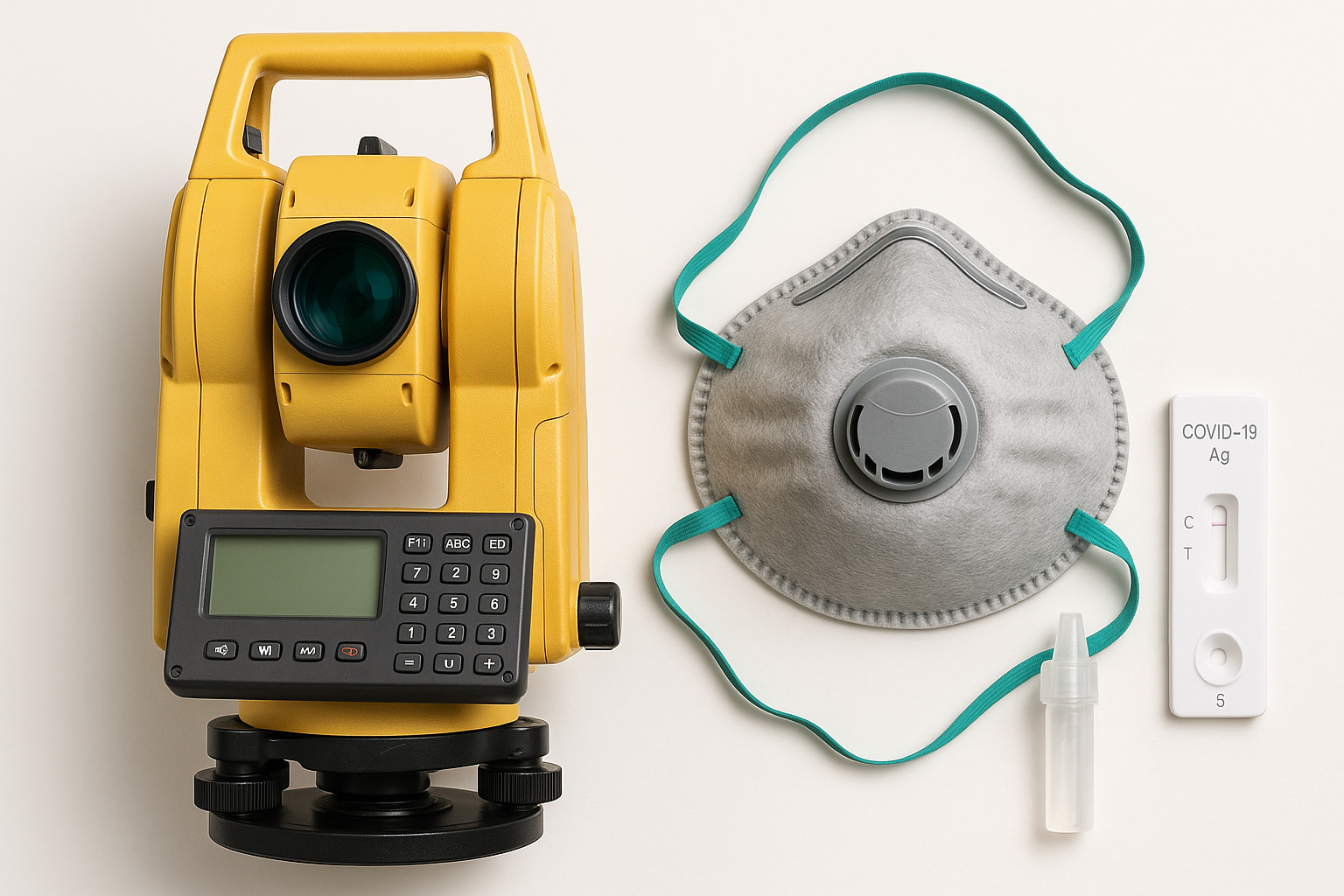
- Suitable respiratory protection such as FFP3
- Sealable sample bags or containers
- Damp wipes for cleaning tools and surfaces
- Labels and paperwork for secure submission
Practical steps if low-risk sampling is being carried out
- Keep the sample area as small as possible
- Dampen the material where appropriate to suppress dust
- Never use power tools
- Avoid breaking large sections or scraping aggressively
- Seal the sample immediately
- Clean the area with damp wipes, not a household vacuum
- Bag used protective items appropriately
If the material is soft, crumbly, badly damaged or likely to release dust easily, stop. That is not the point to continue with a home asbestos test. That is the point to call a professional.
When not to use a self-sampling asbestos test
There are clear situations where a self-sampling kit is the wrong choice. Convenience should never override risk, especially where legal duties or fragile materials are involved.
Do not self-sample when:
- The material is friable, crumbling or heavily damaged
- The suspect product is pipe lagging, sprayed coating or loose insulation
- The sample point is overhead or difficult to access safely
- The material has already been accidentally disturbed
- You need a formal survey for compliance or works planning
- The premises are non-domestic and dutyholder obligations apply
Under the Control of Asbestos Regulations, dutyholders in non-domestic premises must manage asbestos risk properly. A retail asbestos test kit does not replace those responsibilities, and it does not create an asbestos register or management plan.
Professional surveys and testing for legal compliance
Where compliance, refurbishment planning or wider building management is involved, a professional service is usually essential. Testing should fit the purpose of the building and the work being planned, not just provide a quick answer to one visible issue.
If you need broader support, our professional asbestos testing services cover both targeted sampling and wider property investigations.
Management surveys
A management survey is used to locate, as far as reasonably practicable, the presence and extent of asbestos-containing materials that could be disturbed during normal occupancy, routine maintenance or foreseeable installation work. It supports day-to-day control of asbestos risk.
This is often the right choice for landlords, managing agents, schools, offices, retail units and communal residential areas where asbestos may remain in place and must be monitored.
Refurbishment and demolition surveys
Before intrusive refurbishment or demolition works, the survey scope changes. Hidden materials behind walls, above ceilings, inside risers and within structural elements may need to be accessed and sampled properly.
This is why a demolition or refurbishment survey is more intrusive than a management survey. It is designed to identify asbestos that would be disturbed by the planned works, not just what is visible during occupation.
Re-inspection surveys
Finding asbestos once is not the end of the process. If materials are managed in place, they should be reviewed periodically to confirm that condition has not changed and that records still reflect reality.
Re-inspection surveys are particularly useful where maintenance activity, tenant changes or water ingress may have affected previously known materials.
What happens after a positive asbestos test?
A positive asbestos test does not automatically mean panic or immediate removal. The correct response depends on the material type, its condition, where it is located and how likely it is to be disturbed.
Many asbestos-containing materials can remain in place safely if they are in good condition and are properly managed. Others need sealing, enclosure, repair or removal by the right contractor.
Typical next steps after a positive result
- Confirm exactly which material tested positive
- Record the location clearly and accurately
- Assess its condition and accessibility
- Consider the likelihood of disturbance during normal use or planned works
- Decide whether it should be managed, encapsulated or removed
- Update the asbestos register and site records
- Inform anyone who may work on or near the material
If licensed work is required, use a licensed asbestos contractor. If the material can stay in place, label it where appropriate, restrict unnecessary disturbance and make sure future contractors know it is there before starting work.
What to do if asbestos has already been disturbed
If a suspect material has been drilled, cut, broken or sanded, stop work immediately. Do not keep investigating, do not sweep the debris dry and do not use a domestic vacuum cleaner.
Keep people out of the area if possible. Close doors, limit movement and seek advice on whether emergency cleaning, air monitoring or specialist attendance is needed.
Immediate actions to take
- Stop the work at once
- Prevent others entering the area
- Avoid further disturbance
- Do not dry sweep or brush debris
- Do not use standard vacuum equipment
- Arrange professional advice and testing as soon as possible
The priority is to contain the issue and avoid spreading debris or dust to other parts of the building. Fast, calm action is far better than trying to tidy it up without the right controls.
Practical advice for homeowners, landlords and property managers
The best asbestos decisions are made before work starts, not after something has been damaged. If you manage older property stock, build asbestos checks into routine planning rather than treating them as a last-minute hurdle.
Good practice that saves time and risk
- Check the age and refurbishment history of the building
- Review any existing survey reports before instructing contractors
- Do not assume previous results cover all similar materials
- Arrange testing before maintenance becomes intrusive
- Keep asbestos records accessible and current
- Schedule re-inspections where materials remain in place
- Brief contractors before they start work
If you are based in the capital, a local asbestos survey London service can help with responsive testing and surveying across residential and commercial properties. For properties in the North West, an asbestos survey Manchester team can support everything from single suspect materials to multi-site instructions.
Choosing the right asbestos test for your situation
If you only remember one thing, make it this: the right asbestos test depends on the task ahead. A single lab result can be enough for one accessible bonded material. It is not enough where a building needs formal asbestos management, intrusive works are planned or the material is damaged.
Use this simple rule of thumb:
- One suspect item, intact and accessible: sample analysis may be suitable
- Several suspect materials: consider professional testing or a survey
- Routine occupation and maintenance in non-domestic premises: management survey
- Refurbishment or demolition works planned: intrusive survey required
- Known asbestos already on record: re-inspection may be due
- Damaged or friable material: stop and call a professional immediately
That approach protects people, keeps projects moving and helps you meet your responsibilities without overreacting or underestimating the risk.
Why accurate records matter after any asbestos test
Testing without proper records creates problems later. Whether you are a homeowner keeping a file for future works or a dutyholder managing a portfolio, the result should be stored clearly with the location, material description and any action taken.
Good records make future maintenance safer. They also reduce repeat visits, prevent unnecessary disturbance and help contractors plan work properly.
Keep the following information together
- Laboratory reports
- Survey reports and plans
- Photographs of sampled locations where available
- Material condition notes
- Recommendations for management or removal
- Dates of re-inspection and follow-up actions
If a report says a material contains asbestos but no one can find the exact location later, the value of that asbestos test drops quickly. Clear documentation is part of risk management, not admin for its own sake.
Need an asbestos test or survey?
If you have found a suspect material, planned works are approaching or your asbestos records need updating, Supernova Asbestos Surveys can help. We provide asbestos testing, management surveys, refurbishment and demolition surveys, re-inspection surveys and laboratory-backed sample analysis across the UK.
Call 020 4586 0680 to speak with our team or visit asbestos-surveys.org.uk to book the right service for your property.
Frequently Asked Questions
Can I tell if a material contains asbestos just by looking at it?
No. Appearance alone cannot confirm asbestos. An asbestos test or professional survey is needed to identify asbestos-containing materials reliably.
Does a positive asbestos test mean the material must be removed straight away?
No. Many asbestos-containing materials can remain in place safely if they are in good condition and unlikely to be disturbed. The correct action depends on condition, location and planned works.
Is a self-sampling asbestos test kit suitable for every material?
No. Self-sampling is not suitable for friable, damaged or difficult-to-access materials such as lagging, sprayed coatings or loose insulation. In those cases, use a professional surveyor.
When do I need a survey instead of a simple asbestos test?
You usually need a survey when managing non-domestic premises, planning refurbishment or demolition, or when multiple suspect materials are present and a wider assessment is required.
What should I do if I accidentally disturb suspected asbestos?
Stop work immediately, keep people away from the area, avoid dry cleaning or vacuuming the debris, and seek professional advice on testing and next steps.