Domestic Asbestos Removal in UK Homes: What You Need to Know Before Anyone Touches a Thing
A cracked garage roof, a damaged ceiling board, or old floor tiles uncovered during a refurbishment can turn a routine job into a serious compliance issue overnight. When domestic asbestos removal becomes necessary, the safest route is to slow down, confirm what you are dealing with, and use the right survey, testing and removal process from the start.
Asbestos in a home does not always mean immediate danger. The risk rises sharply when asbestos-containing materials are drilled, sanded, broken, stripped out or removed without proper controls. That is why homeowners, landlords and property managers need clear, practical advice before anyone touches the material.
What Domestic Asbestos Removal Actually Means
Domestic asbestos removal is the controlled removal, packaging, transport and disposal of asbestos-containing materials from residential settings. That includes houses, flats, maisonettes, garages, outbuildings, communal areas and shared service spaces linked to homes.
The term covers a wide range of jobs. Removing asbestos cement sheets from a garage is very different from removing asbestos insulating board around a boiler cupboard or pipe lagging in a service riser. Each situation carries its own risk level and requires its own approach.
The key point is straightforward: not every asbestos material must be removed, but every suspected asbestos material should be properly assessed before work begins. In some cases, leaving the material in place and managing it is actually safer than disturbing it.
Common Places Asbestos Is Found in UK Homes
Asbestos was used extensively in residential construction until its full ban in the late 1990s. If your property was built or refurbished before 2000, there is a realistic chance asbestos-containing materials are present somewhere.
Common locations include:
- Textured coatings on ceilings and walls (often called Artex)
- Vinyl floor tiles and bitumen adhesive beneath them
- Soffits, gutters and downpipes
- Garage and outbuilding roof sheets
- Ceiling tiles and partition boards
- Bath panels, airing cupboards and service ducts
- Boiler insulation and pipe lagging
- Asbestos insulating board, commonly called AIB
You cannot confirm asbestos by sight alone. Materials that look completely ordinary can still contain fibres. Testing or a survey is essential before any refurbishment, repair or removal work begins.
UK Regulations That Affect Domestic Asbestos Removal
The main legal framework governing asbestos work in the UK is the Control of Asbestos Regulations. These regulations set out how asbestos must be identified, assessed and controlled, and when licensed contractors are required to carry out the work.
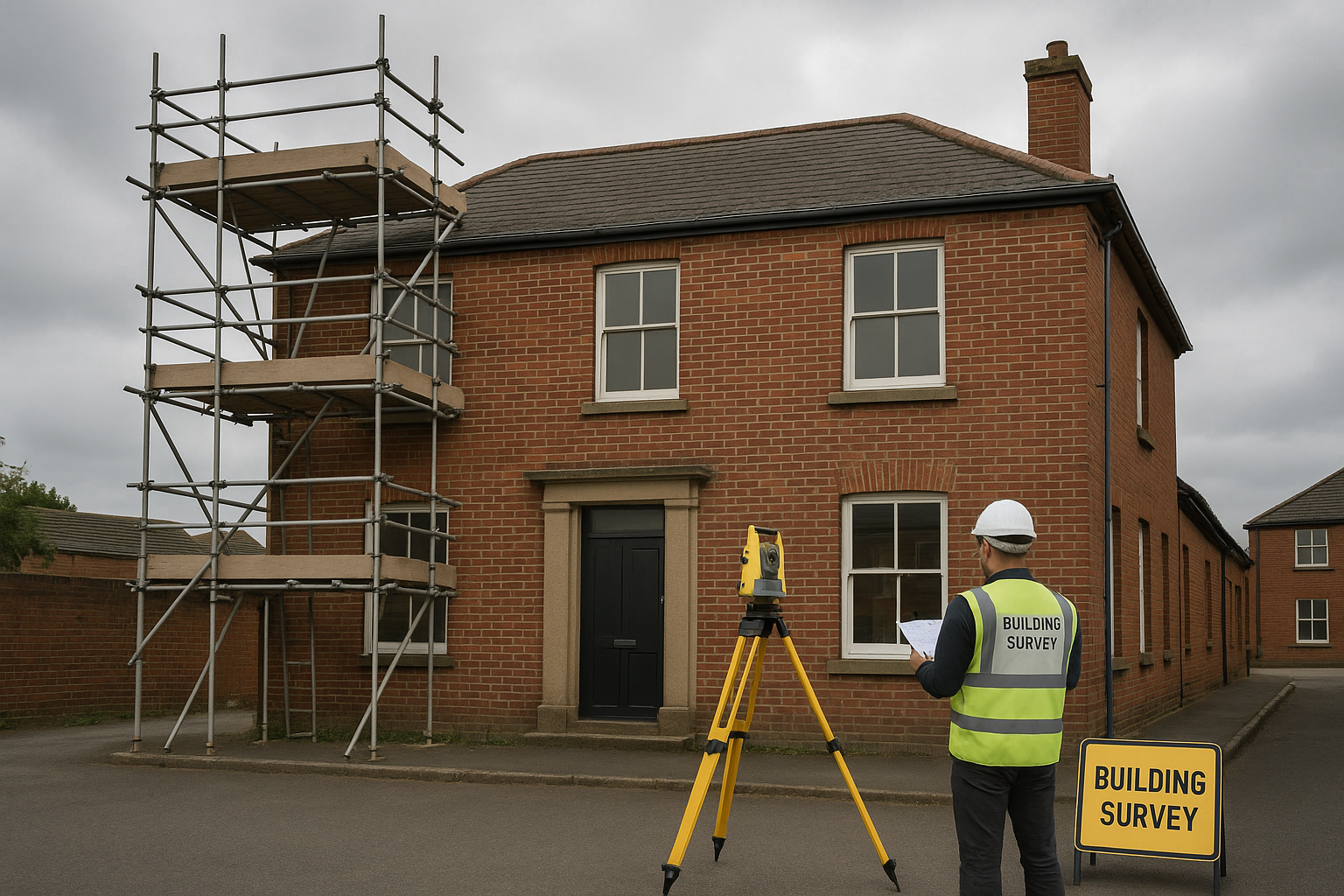
Survey work should follow HSG264, the recognised HSE guidance document for asbestos surveys. If the survey is poor or incomplete, the rest of the project can unravel quickly — leading to unsafe assumptions, project delays and significant additional cost.
There is no blanket rule forcing every owner-occupier to remove all asbestos from a private home. That said, there are still clear responsibilities when asbestos is present:
- Do not expose occupants, tradespeople or neighbours to avoidable asbestos risk
- Do not start work on suspect materials without evidence of what they are
- Do not use unqualified people for work that requires specialist controls
- Do not place asbestos waste in household bins, mixed skips or standard recycling
- Do not assume a material is safe simply because it looks intact
For landlords, managing agents and those responsible for communal areas, the position is more demanding in practice. If the property is rented or managed, asbestos risks should be identified and handled responsibly so that contractors and residents are not put at risk.
Why the Duty Often Falls on Whoever Arranges the Work
Even in a domestic setting, legal duties become more obvious the moment contractors are involved. If you instruct builders, electricians, plumbers or roofers to work in an area containing asbestos, they should not be expected to guess what is present.
That is why testing and surveys matter before works begin. A short delay for proper asbestos checks is far better than contamination, project shutdowns or unsafe removal that puts people at risk.
Licensed vs Non-Licensed Domestic Asbestos Removal
One of the biggest misunderstandings around domestic asbestos removal is the idea that all asbestos jobs are broadly the same. They are not. The material type, its condition and the method of work determine whether a task is licensed, notifiable non-licensed work, or non-licensed work.
Work That Often Requires a Licensed Contractor
- Asbestos pipe lagging
- Sprayed coatings
- Many jobs involving damaged insulation materials
- Much work on asbestos insulating board
Licensed work must be carried out by a contractor holding the relevant HSE licence. The controls are stricter because the risk of fibre release is much higher. This work may involve enclosures, decontamination procedures and formal clearance arrangements before the area can be reoccupied.
Lower-Risk Work That May Not Require a Licence
- Some asbestos cement sheets in good condition
- Certain textured coatings, depending on method and condition
- Vinyl floor tiles removed carefully with minimal breakage
- Some bonded products where fibre release is low and the material is intact
Even where a licence is not required, the work still needs competent assessment, suitable training, correct equipment, proper packaging and lawful disposal. Non-licensed does not mean informal or low-standard.
If anyone describes domestic asbestos removal as a quick job with no paperwork and no need for controls, that should raise concerns immediately.
What to Do First If You Suspect Asbestos in a Home
The first rule is not to disturb the material any further. Do not drill, cut, scrape, sand, snap, sweep or vacuum anything you suspect may contain asbestos. Once the area is left undisturbed, your next step depends on what you are planning to do with the property.

Step 1: Arrange Testing for a Specific Material
If the concern is limited to one item — a garage roof sheet, a ceiling coating or a board panel — asbestos testing can be the quickest way to get clarity. It helps you avoid unnecessary removal and gives contractors reliable information before work starts.
For some straightforward domestic cases, a postal asbestos testing kit can be a practical option, provided the sample is taken carefully and the instructions are followed exactly. If you would prefer laboratory analysis arranged through a professional service, this asbestos testing route is another way to get suspect materials checked quickly and accurately.
Step 2: Book the Right Asbestos Survey
If the property is occupied and you need to understand asbestos risks during normal use, a management survey is usually the appropriate starting point. This identifies accessible asbestos-containing materials that could be disturbed during everyday occupation, maintenance or minor works.
If major refurbishment, structural alterations or strip-out works are planned, a demolition survey is needed before intrusive work begins. Despite the name, this type of survey is also used before major refurbishment where the building fabric will be significantly disturbed.
Where asbestos has already been identified and left in place, a re-inspection survey helps confirm whether the material remains in good condition or whether removal has now become the safer option.
Step 3: Decide Whether to Manage, Encapsulate or Remove
Once the material has been properly identified, you can make a sensible, evidence-based decision. If it is intact, sealed and unlikely to be disturbed, management may be enough. If it is damaged, friable, located in a work area or likely to be disturbed during refurbishment, domestic asbestos removal may be necessary.
When removal is required, use a specialist provider of asbestos removal so the scope of work, safety controls and waste arrangements are handled properly from start to finish.
When Asbestos Can Stay in Place
Many people assume asbestos must always be removed the moment it is found. That is not correct. In some homes, the safer option is to leave the material in place and monitor it over time.
This usually applies where the material is in good condition, properly sealed, not being disturbed and located away from any planned works. Removal creates disturbance by definition, so if the risk from leaving it in place is lower than the risk from removing it, management can genuinely be the better decision.
Situations where management may be appropriate include:
- Asbestos cement sheets in sound condition
- Textured coatings that are intact and not being altered
- Floor tiles that are undamaged and covered by another floor finish
- Boxing or panels that are sealed and unlikely to be disturbed
Management still requires common sense and record-keeping. Keep a note of what has been identified, warn contractors before they start any work nearby, and monitor the material periodically if the property is rented or managed.
What a Well-Run Domestic Asbestos Removal Job Looks Like
Good domestic asbestos removal should feel calm, controlled and organised. There should be no shortcuts, no confusion about access, and no uncertainty over waste handling.
A competent contractor will typically follow a clear sequence:
- Review the survey or test results thoroughly
- Assess the condition, risk and full scope of work
- Confirm whether the work is licensed, notifiable or non-licensed
- Prepare a plan of work and method statement
- Set up suitable controls, such as segregation or enclosure where needed
- Use the correct PPE and RPE throughout
- Remove the material using techniques that minimise fibre release
- Clean the area using appropriate asbestos control methods
- Package, label and remove the waste lawfully
- Arrange clearance procedures where required
Occupants should know what is happening, which areas are restricted and when the space can safely be used again. A tidy, well-documented finish matters just as much as the removal itself.
Questions to Ask Before Appointing a Contractor
- What exactly is included in the scope of work?
- Is the work licensed or non-licensed, and why?
- How will the area be segregated or protected during removal?
- How will waste be packaged, transported and disposed of?
- Will cleaning, air monitoring or clearance be included where relevant?
- Can they provide evidence of training, insurance and competence?
These questions help you compare contractors properly. A low quote can become expensive quickly if it excludes cleaning, waste handling or essential control measures.
Collection and Disposal During Domestic Asbestos Removal
Removal is only part of the job. Domestic asbestos removal must also include lawful collection and disposal, because asbestos waste is classified as hazardous waste and cannot be treated like ordinary building debris.
It should never go into a household bin, a mixed builder’s skip or a general recycling load. If someone suggests that approach, walk away immediately.
Proper asbestos waste handling includes:
- Correct packaging in approved asbestos waste bags or wrapped sheeting
- Clear hazardous waste labelling on all packages
- Transport by a suitable registered waste carrier
- Delivery to a site authorised to accept asbestos waste
- Waste documentation where applicable
Can You Take Asbestos to a Household Waste Recycling Centre?
Some local authorities allow limited quantities of certain domestic asbestos waste to be taken to designated sites, but the rules vary widely between councils. You should always check your council’s current arrangements before loading anything into a vehicle.
You may need advance booking, proof the waste came from a domestic property, specific packaging and labelling, and there will likely be limits on the quantity accepted. Never assume a standard skip or tip will accept asbestos materials.
Domestic Asbestos Removal Across the UK
Domestic asbestos removal is carried out across the country, and the need for professional surveys and testing applies wherever your property is located. Whether you are dealing with a terraced house in the north or a period flat in the capital, the regulations are the same.
If you are based in the capital and need professional help, our asbestos survey London service covers residential and commercial properties across the city. For those in the north west, our asbestos survey Manchester team provides the same level of professional support for homeowners, landlords and managing agents.
Wherever you are, the starting point is the same: identify what is present, assess the risk, and take the right action based on evidence rather than assumption.
Selling or Buying a Home With Asbestos Present
Asbestos does not automatically prevent a property sale, but it does create practical and legal considerations that both buyers and sellers need to handle carefully.
Sellers are not legally obliged to carry out domestic asbestos removal before selling a pre-2000 property. However, having a survey completed and making the results available to buyers demonstrates transparency and can prevent delays further down the line.
Buyers should treat any pre-2000 property as a potential asbestos risk until proven otherwise. If you are purchasing a property and planning immediate refurbishment, factor in the cost of a proper survey and any necessary removal before committing to a budget.
Mortgage lenders and insurers may also have views on asbestos, particularly if the material is in a poor condition. Getting clarity early avoids surprises after exchange.
Rented Properties and Landlord Responsibilities
Landlords have broader responsibilities than owner-occupiers when it comes to asbestos in residential properties. While the duty to manage asbestos under the Control of Asbestos Regulations applies most directly to non-domestic premises, landlords still have a clear obligation to ensure the safety of their tenants and any contractors who work in the property.
In practice, this means:
- Knowing whether asbestos is present in the property
- Informing contractors before any maintenance or repair work begins
- Not instructing work that will disturb asbestos without proper controls
- Monitoring any known asbestos materials and acting if their condition deteriorates
- Keeping records of any surveys, test results and removal work carried out
If a tenant reports damaged or disturbed asbestos materials, that should be treated as urgent. Do not delay in getting the material assessed and, if necessary, arranging domestic asbestos removal through a qualified contractor.
Frequently Asked Questions
Do I legally have to remove asbestos from my home?
There is no blanket legal requirement for owner-occupiers to remove asbestos from a private home. The obligation is to ensure that asbestos-containing materials are not left in a condition that poses a risk to people. In many cases, leaving intact materials in place and managing them is perfectly acceptable — and sometimes safer than removing them. The decision should always be based on a proper assessment of the material’s condition and location.
Can I remove asbestos myself from my own home?
The Control of Asbestos Regulations do not automatically prohibit a homeowner from removing certain low-risk asbestos materials from their own property. However, this only applies to specific non-licensed materials in good condition, and it requires correct protective equipment, safe working methods and lawful disposal. For anything beyond the simplest cases — and for any licensed material — you must use a qualified contractor. Attempting to remove asbestos without the right knowledge and equipment creates serious health risks.
How do I know if a material contains asbestos?
You cannot tell by looking at it. The only reliable way to confirm whether a material contains asbestos is through laboratory analysis of a sample. This can be arranged through a professional asbestos testing service or, for straightforward domestic cases, through a testing kit that allows you to submit a sample by post. Do not disturb the material further while waiting for results.
What happens to asbestos waste after removal?
Asbestos waste is classified as hazardous waste and must be handled accordingly. It must be double-bagged in approved asbestos waste packaging, clearly labelled, transported by a registered waste carrier and deposited at a licensed disposal site. It cannot go into household bins, general skips or standard recycling. Your contractor should manage all of this as part of the removal job. If waste handling is not included in a quote, ask why and get clarity before work begins.
How much does domestic asbestos removal cost?
The cost depends on the type of material, its location, the quantity involved and whether the work is licensed or non-licensed. Licensed removal is more expensive because it requires specialist contractors, stricter controls and formal clearance procedures. Non-licensed removal of smaller quantities will typically cost less, but should never be treated as a budget shortcut. Always get a detailed, itemised quote that includes waste handling, clearance and any air monitoring required — not just the removal itself.
Get Professional Help With Domestic Asbestos Removal
Supernova Asbestos Surveys has completed over 50,000 surveys across the UK. Our team provides professional asbestos surveys, testing and removal support for homeowners, landlords and property managers — giving you the evidence you need to make the right decisions and stay safe throughout.
Whether you need a management survey before maintenance work, a full demolition survey ahead of a major refurbishment, or guidance on arranging domestic asbestos removal through a qualified contractor, we are here to help.
Call us on 020 4586 0680 or visit asbestos-surveys.org.uk to speak with our team or book a survey online.