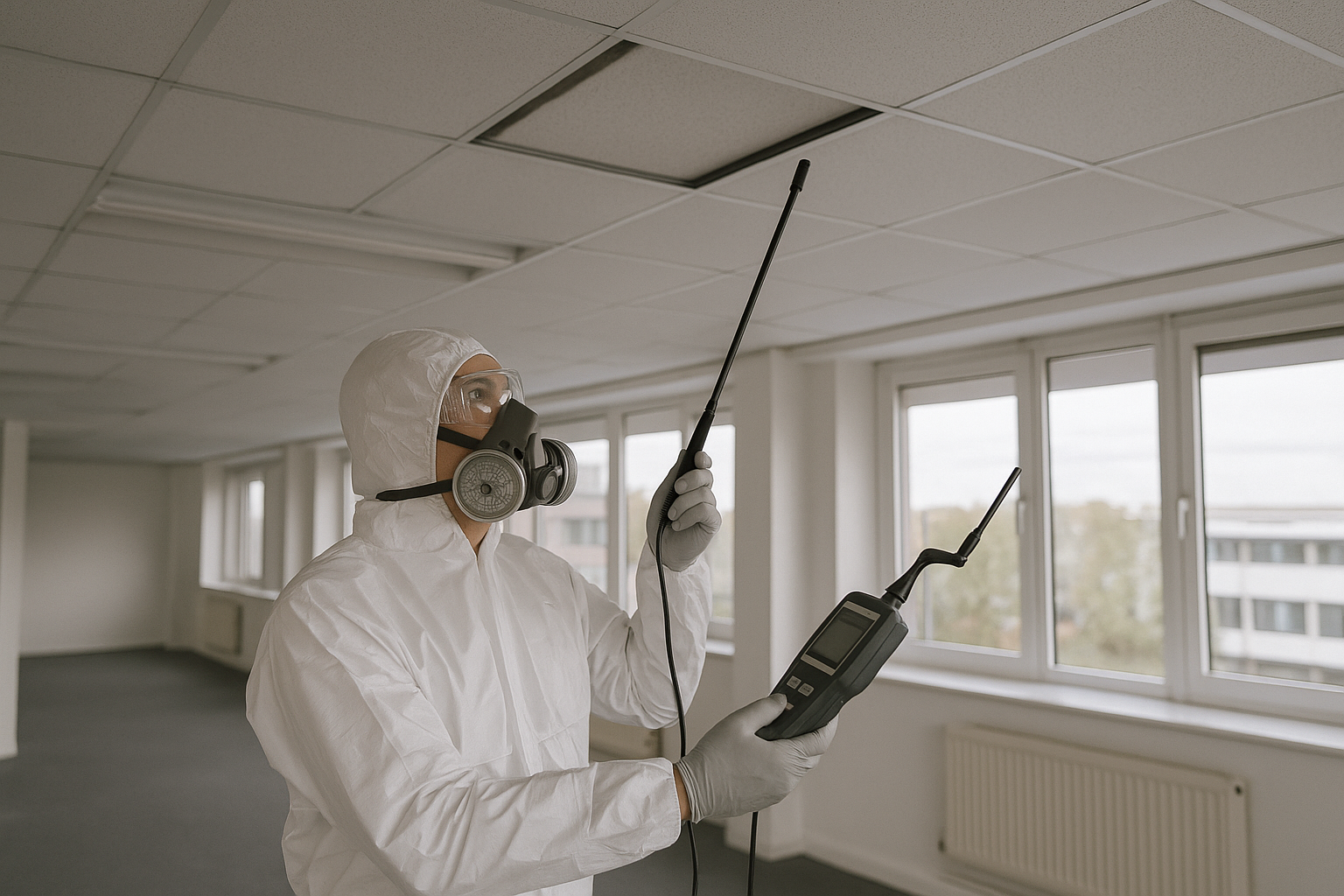
Asbestos mining shaped the materials still turning up in plant rooms, ceiling voids, service risers and outbuildings across the UK. For anyone responsible for a building, that history is not remote industrial trivia. It explains why asbestos-containing materials remain so widespread, why disturbance is dangerous, and why dutyholders must follow the Control of Asbestos Regulations, HSE guidance and HSG264 when managing risk.
The fibres used in British construction did not appear by accident. They were extracted from rock, processed through dusty industrial systems, graded for sale and shipped into manufacturing chains that supplied everything from insulation and boards to cement sheets and friction products. Understanding asbestos mining helps property managers make better decisions today, especially when planning maintenance, refurbishment or demolition.
What asbestos mining involved
At its core, asbestos mining was the extraction of naturally occurring fibrous silicate minerals from rock deposits. The material was valued because it resisted heat, chemicals and wear, and because its fibres could be blended into a huge range of products.
The main commercial asbestos types were chrysotile, amosite and crocidolite. Chrysotile, often called white asbestos, was the most widely used in many markets, while amosite and crocidolite were also mined and processed on a large scale before the health consequences became undeniable.
Asbestos mining was only the first stage. After extraction, the ore had to be crushed, separated, screened and graded before manufacturers could use it. That industrial chain is one reason asbestos became so common in UK buildings.
Main asbestos types linked to mining and production
- Chrysotile – widely used in cement, insulation and manufactured products
- Amosite – commonly associated with insulation board and thermal insulation products
- Crocidolite – known for high tensile strength and use in some insulation and sprayed applications
For building managers, the practical point is simple: different asbestos types appeared in different products, but all require proper identification and risk management.
Early asbestos mining methods
Early asbestos mining was basic, labour-intensive and extremely dusty. Workers often used hand tools with little meaningful control over airborne fibre release.
There was limited protection, poor ventilation and minimal understanding of long-term exposure. Even where concerns existed, the controls were nowhere near what would now be expected under modern health and safety standards.
Manual extraction
In shallow deposits, early asbestos mining often relied on straightforward manual extraction. Workers broke surface rock, loaded ore and sorted visible fibre-bearing material by hand.
- Breaking rock with picks, hammers and chisels
- Shovelling asbestos-bearing ore into carts
- Sorting material by hand
- Moving ore to basic processing areas
Every one of those steps created dust. The hazard was not limited to one task. It followed the material from the rock face to the processing area.
Early mechanisation
As demand grew, machinery was introduced to increase output. Steam-powered drills, crushers and conveyors improved production rates, but they also disturbed more material and increased the volume of airborne fibres.
That pattern remained a defining feature of asbestos mining. Greater productivity usually meant more drilling, more crushing, more transport and more dust.
How open-pit asbestos mining became dominant
Where deposits were close enough to the surface, open-pit asbestos mining became the preferred large-scale method. It allowed operators to remove overburden, expose wide sections of asbestos-bearing rock and extract ore in a sequence that suited industrial production.
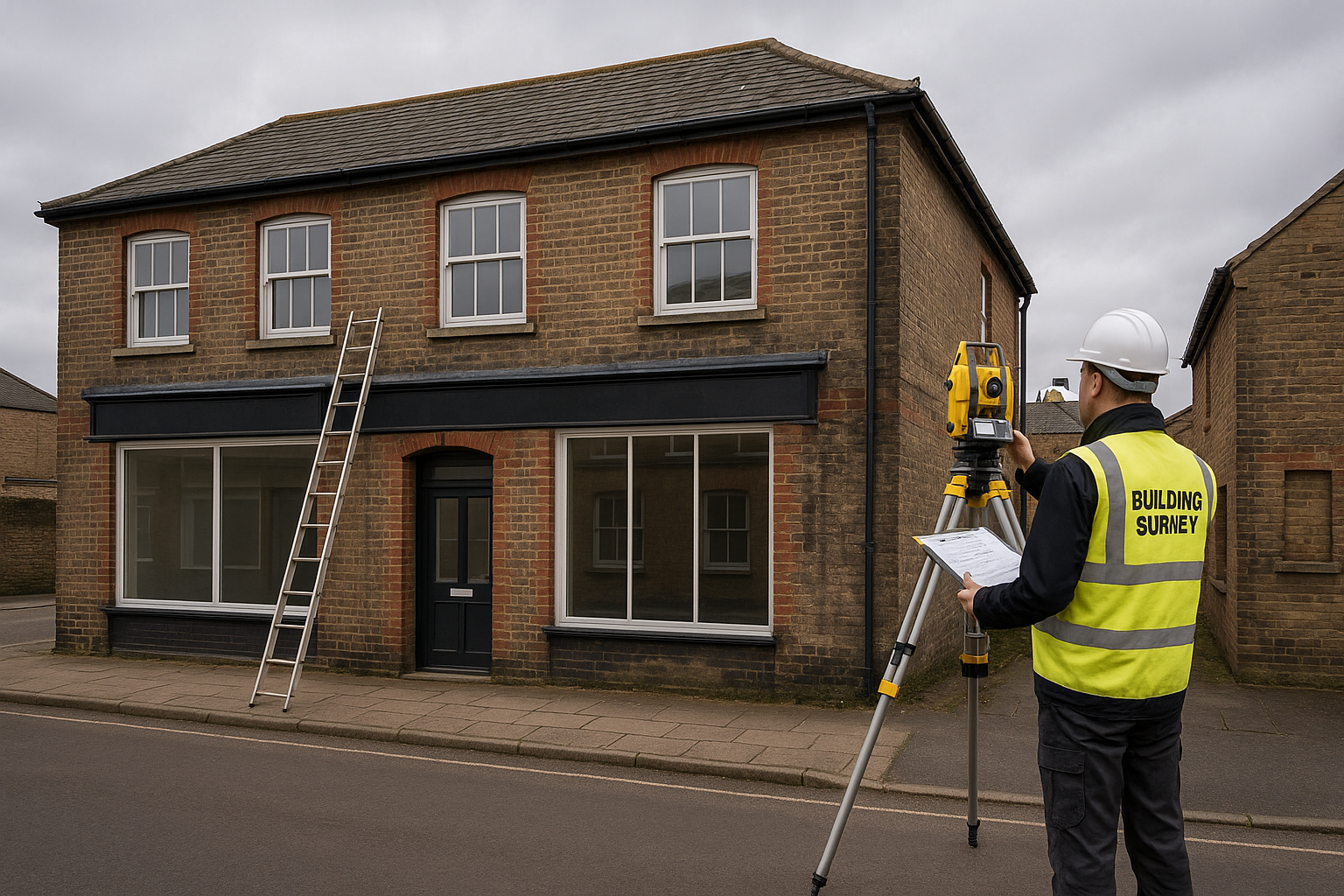
Open-pit operations were easier to scale than narrow underground workings. That made them attractive to producers serving growing international markets, including manufacturers supplying the UK.
Geological surveying and site preparation
Before extraction started, mining companies assessed the size, quality and commercial viability of a deposit. If the site looked worthwhile, they stripped away soil and waste rock and created the infrastructure needed for high-volume operations.
This often included:
- Access roads and haul routes
- Stockpile areas
- Waste tips
- Processing plants and mills
- Loading and transport points
Benching
As pits deepened, operators formed stepped working levels known as benches. These gave machinery stable platforms and allowed the ore body to be extracted in stages.
Benching also helped with access and slope management. In practical terms, it made large pits workable at scale.
Drilling and blasting
Drilling rigs bored holes into the rock, which were then loaded with explosives to break up the ore. This made excavation faster, but it also generated significant fibre release.
Even where dust suppression was attempted, disturbing asbestos-bearing rock on that scale created airborne contamination. Asbestos mining was hazardous not only because of the mineral itself, but because the extraction methods repeatedly fragmented and moved it.
Loading and haulage
Once blasted, the broken ore was loaded into trucks by excavators or shovels and taken to mills or processing plants. Haul roads, tipping areas, stockpiles and crushers all created further opportunities for dust release.
That is a useful lesson for modern dutyholders. The risk from asbestos does not sit neatly in one place. It appears wherever asbestos-containing material is disturbed, moved, broken or worked on.
Underground asbestos mining
Not all asbestos mining took place at the surface. Where deposits were deeper or unsuitable for open-pit extraction, underground methods were used to reach the ore body.
Underground operations were especially hazardous because fibre concentrations could build up in confined spaces. Ventilation was harder to control, drilling and blasting took place in enclosed headings, and workers often stayed close to the source of contamination.
Typical underground methods
- Driving access tunnels to reach the deposit
- Drilling blast holes underground
- Using explosives to fragment ore
- Loading broken rock into rail cars, skips or conveyors
- Hoisting ore to the surface for processing
The infrastructure was different from open-pit work, but the core problem remained the same. Once asbestos-bearing rock was disturbed, fibres became airborne and spread through the working environment.
How asbestos was processed after mining
Asbestos mining did not produce a ready-to-use commercial product. Raw ore contained fibres mixed with waste rock and impurities, so it had to be milled and refined before it entered supply chains.
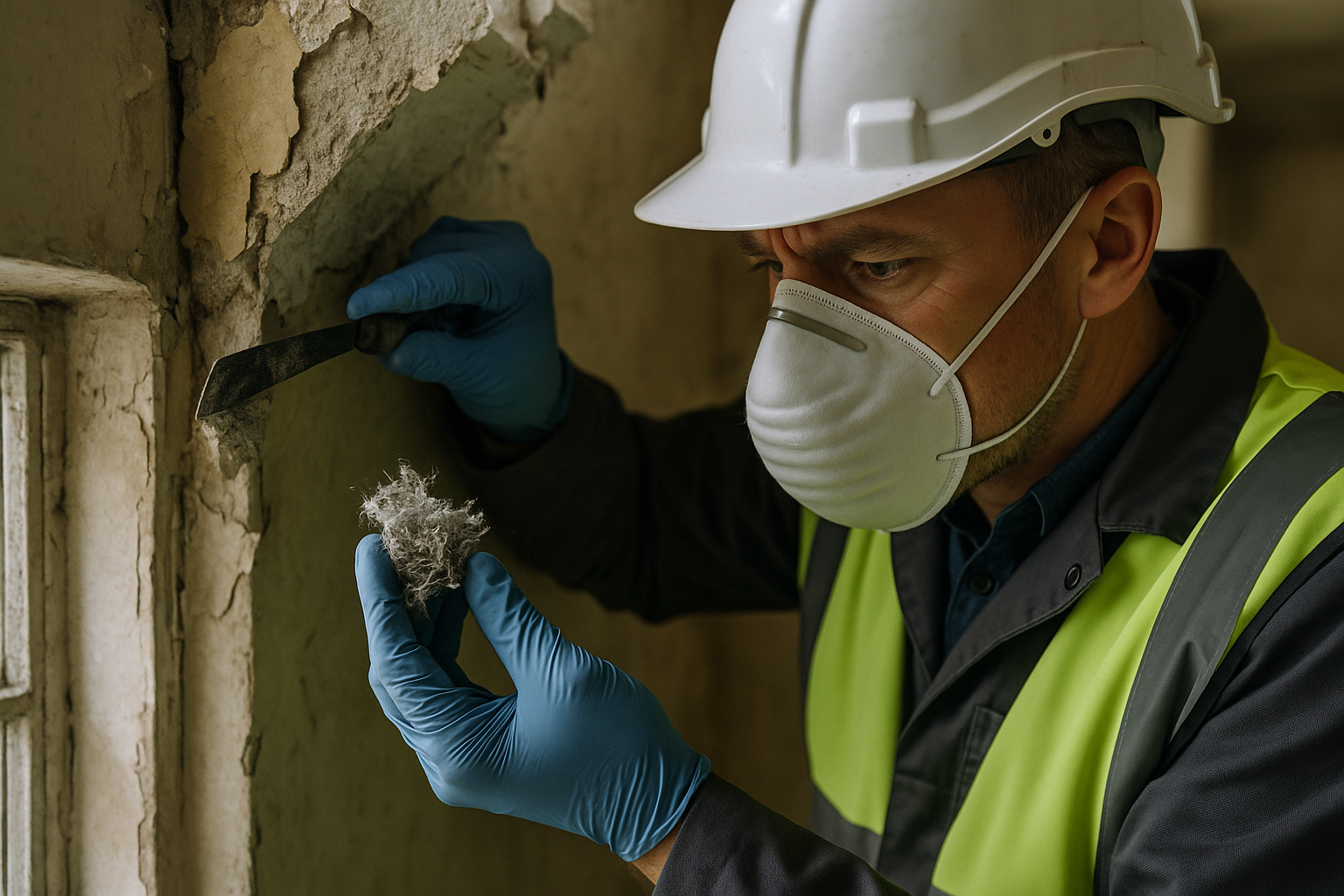
This processing stage was one of the most dangerous parts of the industry. Crushing, separation, screening and grading all generated heavy dust, often in enclosed industrial settings where exposure could be frequent and prolonged.
Crushing
The first step was reducing large rocks into smaller fragments. Primary crushers handled larger pieces, then secondary crushing reduced the material further to help free the fibres.
Crushing generated substantial dust. The process disturbed large volumes of asbestos-bearing material and often exposed workers at close range.
Fibre separation
After crushing, machinery was used to free fibres from the surrounding rock. Rotating hammers, beaters or similar equipment repeatedly struck the material until the asbestos detached.
This stage required a balance. Too much force could damage the fibres and reduce product quality, while too little left too much fibre trapped in the waste rock.
Screening and aspiration
The processed material then passed through screens to sort it by size. Larger fragments were often returned for further treatment, while finer material moved on.
Aspiration used moving air to separate lighter fibres from heavier waste. This improved consistency and purity, which mattered because different industries wanted different grades for different uses.
Grading and packing
The final stage involved grading asbestos by fibre length, strength and quality. Longer and cleaner fibres were often used where flexibility and heat resistance were valued, while shorter fibres could be used in cement products, coatings and friction materials.
Once graded, the asbestos was packed and shipped into international trade. From there, it entered the manufacturing chain that supplied products later installed in UK properties.
Where asbestos mining took place
Asbestos mining took place across several continents, although some countries became especially important producers at different times. The balance shifted as economics, regulation, politics and market demand changed.
Major producing countries included Canada, Russia, South Africa, Australia, Kazakhstan, China, Brazil and the United States. Some regions became strongly associated with particular asbestos types, while others were known for the scale of their output.
- Canada – especially Quebec, once central to chrysotile production
- Russia – long associated with very substantial output
- South Africa – known for crocidolite and amosite mining
- Australia – remembered in part for crocidolite mining and its severe health legacy
- Kazakhstan, China and Brazil – important producers at different stages
- United States – once a producer, though mining later declined sharply
This global trade matters in a UK context. British buildings contain asbestos because manufacturers imported raw fibre and asbestos-containing products on a huge scale for decades.
Why asbestos mining led to widespread use in UK buildings
The UK imported large quantities of asbestos and asbestos-containing products throughout much of the twentieth century. Because asbestos mining created a reliable supply, manufacturers could add the material to thousands of products used in homes, schools, hospitals, offices, factories and public buildings.
Asbestos was seen as cheap, practical and versatile. It provided heat resistance, insulation, durability and reinforcement, making it attractive in construction and industrial settings.
Common asbestos-containing materials still found in the UK
- Pipe insulation and thermal lagging
- Asbestos insulating board
- Sprayed coatings
- Textured coatings
- Floor tiles and bitumen adhesives
- Cement sheets, soffits, gutters and roofing panels
- Ceiling tiles and service riser materials
- Fire doors, rope seals and gaskets
If you manage a property built or refurbished before 2000, asbestos should be presumed present unless you have reliable evidence showing otherwise. That is the safest starting point for maintenance planning.
Before any intrusive work begins, arrange the right survey for the job. That may mean an asbestos survey London service for a central office portfolio, an asbestos survey Manchester for industrial or mixed-use premises, or an asbestos survey Birmingham for schools, retail units or managed estates.
Health risks linked to asbestos mining and exposure
The history of asbestos mining is also the history of asbestos disease. Miners, mill workers and processing staff were among the earliest groups to show the severe long-term effects of inhaling asbestos fibres.
Those lessons still apply to building management today. The danger is not confined to mines or heavy industry. Disturbing asbestos-containing materials during repair, installation, refurbishment or demolition can still release respirable fibres.
Main health risks associated with asbestos exposure
- Mesothelioma – a cancer affecting the lining of the lungs or abdomen and strongly associated with asbestos exposure
- Asbestosis – scarring of lung tissue caused by prolonged fibre inhalation
- Asbestos-related lung cancer – risk increases with exposure, particularly alongside smoking
- Pleural thickening and pleural plaques – conditions affecting the lining of the lungs
There is no safe casual attitude to damaged asbestos. The risk depends on the type of material, its condition, how easily fibres can be released and the nature of the work being carried out.
Practical steps for dutyholders
- Identify whether asbestos is present through the correct survey and sampling strategy.
- Keep an up-to-date asbestos register for non-domestic premises where required.
- Assess the risk based on material condition, location and likelihood of disturbance.
- Make sure contractors have the right information before starting work.
- Do not allow refurbishment or demolition to proceed without the appropriate intrusive survey.
These steps reflect the practical intent behind the Control of Asbestos Regulations and HSE guidance. They are not paperwork for its own sake. They are how exposure is prevented.
Why the history of asbestos mining still matters to property managers
Property managers often inherit buildings rather than choosing them from scratch. That means inheriting the legacy of asbestos mining too. Materials manufactured from mined asbestos are still present across estates of every type, from schools and offices to warehouses and housing stock.
Knowing how widely asbestos was produced and used helps explain why assumptions are risky. Old plans may be incomplete, previous refurbishment records may be unreliable, and visually similar materials can carry very different levels of risk.
What this means in day-to-day building management
- Do not assume a material is asbestos-free because it looks modern or has been painted over.
- Do not rely on historic surveys if the building has changed since they were carried out.
- Check whether planned works are routine maintenance or intrusive refurbishment.
- Make sure survey scope matches the work proposed.
- Review contractor method statements against known asbestos information.
One of the clearest lessons from asbestos mining is that disturbance creates exposure. In modern buildings, that same principle applies when drilling through boards, removing ceiling tiles, cutting ducts, replacing pipework or demolishing partitions.
Asbestos surveys, compliance and safe decision-making
Under the Control of Asbestos Regulations, those responsible for non-domestic premises have duties to manage asbestos. HSG264 sets out the purpose and expectations of asbestos surveys, while HSE guidance supports practical compliance on identification, management and control.
For most dutyholders, the key is choosing the right survey at the right time.
Management survey
A management survey helps locate, as far as reasonably practicable, the presence and extent of any suspect asbestos-containing materials that could be damaged or disturbed during normal occupation, including foreseeable maintenance.
This survey supports the day-to-day management of asbestos in occupied premises. It is not designed for major intrusive works.
Refurbishment and demolition survey
Where the work is intrusive, a refurbishment and demolition survey is normally required. This is used to locate and identify asbestos-containing materials in the area where the work will take place, often involving destructive inspection to access hidden voids and building fabric.
If you are stripping out, reconfiguring services, removing walls or demolishing part of a structure, this is usually the relevant route. Starting work without it can expose workers, occupants and the organisation to serious risk.
Actionable advice before work starts
- Define the scope of works clearly before commissioning a survey.
- Give the surveyor access to all relevant areas, plans and previous asbestos information.
- Review the report properly rather than filing it away unread.
- Translate findings into permits, contractor briefings and work sequencing.
- Where asbestos is identified, use competent licensed or non-licensed contractors as appropriate to the material and task.
Good asbestos management is practical. It is about making sure people know what is present, where it is, what condition it is in and what controls are needed before anyone starts disturbing the building fabric.
Frequently Asked Questions
What was the main method of asbestos mining?
Open-pit extraction became one of the main methods of asbestos mining where deposits were near the surface. Underground mining was also used where ore bodies were deeper or less suitable for surface extraction.
How was asbestos processed after mining?
After asbestos mining, the ore was crushed, the fibres were separated from waste rock, then screened, graded and packed for sale. These stages created substantial dust and were among the most hazardous parts of the industry.
Why is asbestos mining relevant to UK buildings today?
Asbestos mining supplied the raw material used in many products installed across the UK. Because those materials remain in many buildings built or refurbished before 2000, dutyholders still need surveys, registers and management plans to control the risk.
Is asbestos still dangerous if it is already in a building?
It can be. The level of risk depends on the type of material, its condition and whether it is likely to be disturbed. Damaged or disturbed asbestos-containing materials can release fibres, so they should be assessed and managed properly.
When should a property manager arrange an asbestos survey?
A survey should be arranged when managing a building that may contain asbestos, and before any maintenance, refurbishment or demolition that could disturb building materials. The correct survey type depends on the nature of the premises and the planned work.
If you need clear, practical advice on asbestos in your property portfolio, Supernova Asbestos Surveys can help. We carry out management surveys, refurbishment and demolition surveys, and asbestos sampling across the UK. Call 020 4586 0680 or visit asbestos-surveys.org.uk to arrange a survey or discuss your requirements.