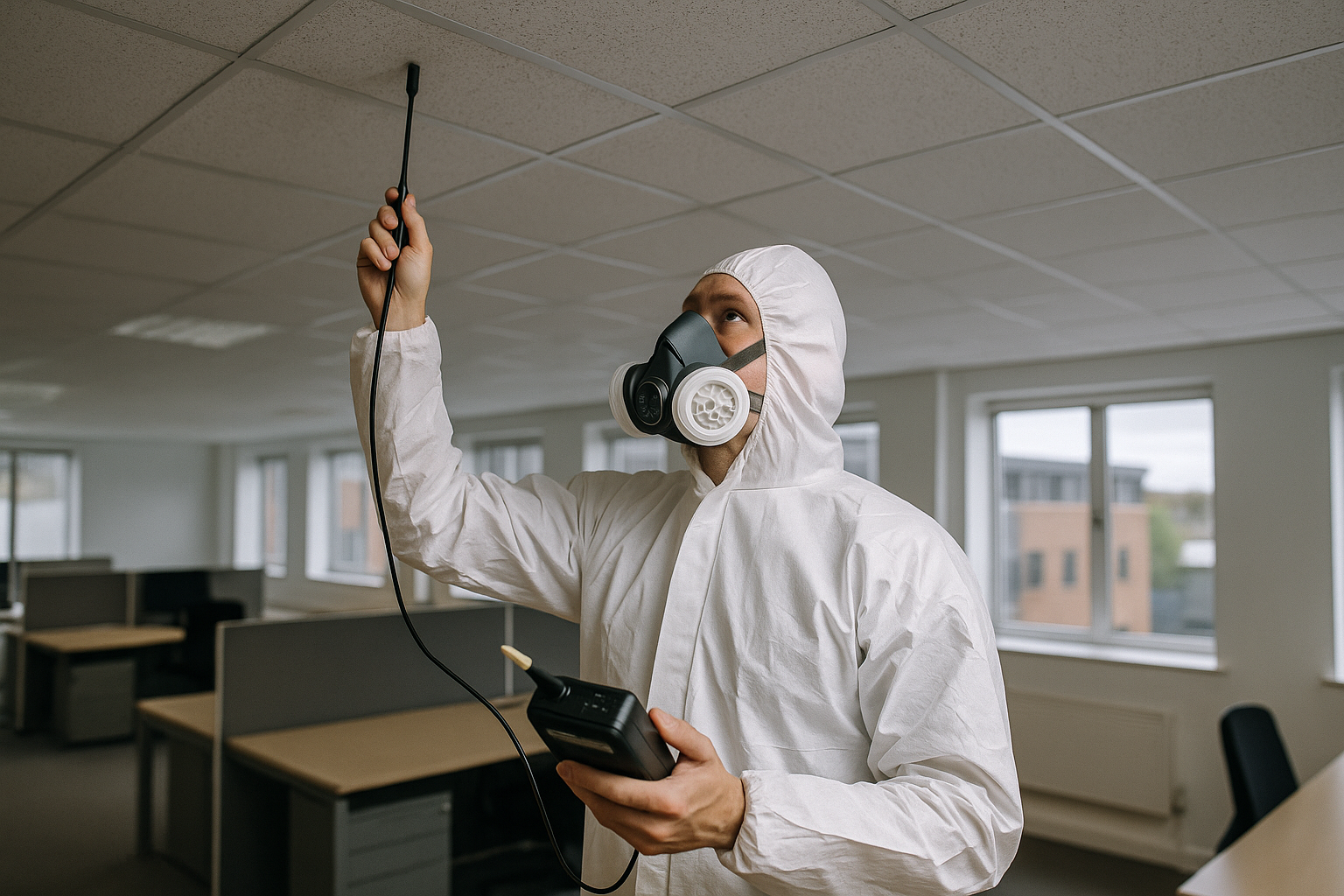
Asbestos still turns up in schools, offices, shops, warehouses and blocks of flats across the UK. That is why the question what is asbestos is not just about history. It is a live issue for anyone responsible for property, maintenance or building work.
If you manage a site built or refurbished before 2000, you cannot afford guesswork. Under the Control of Asbestos Regulations, supported by HSE guidance and survey standards in HSG264, you need reliable information before routine maintenance, refurbishment or demolition starts.
What is asbestos?
What is asbestos in simple terms? It is the name for a group of naturally occurring fibrous minerals. These minerals were widely used in construction and manufacturing because they are heat resistant, durable and easy to mix into other materials.
The problem is what happens when asbestos fibres are released. Once disturbed, tiny fibres can become airborne and be breathed in. They are too small to see with the naked eye, and they can stay in the lungs for many years.
When people ask what is asbestos, they usually want to know three things:
- What the material actually is
- Why it was used so widely
- Why it creates a risk today
The short answer is that asbestos was valued for its practical performance, but it becomes dangerous when damaged or disturbed. That is why asbestos-containing materials must be identified, assessed and managed properly.
The main types of asbestos found in UK buildings
In UK premises, three types are most commonly encountered:
- Chrysotile – often called white asbestos
- Amosite – often called brown asbestos
- Crocidolite – often called blue asbestos
All asbestos types are hazardous. Some materials are more friable than others, which means they release fibres more easily if damaged, but none should be treated as safe.
For day-to-day property management, the type matters less than the condition, location and likelihood of disturbance. A damaged insulating board panel in a busy service area may present a greater immediate risk than intact cement sheeting on an outbuilding.
Why asbestos was used so widely
To understand what is asbestos, it helps to understand why it became so common. It solved several building and engineering problems at once. It resisted heat, helped with fire protection, improved durability and was relatively cheap to use.

That made it attractive across construction, manufacturing, transport, shipbuilding and heavy industry. In buildings, it was often added to products that looked completely ordinary.
Common reasons asbestos was added to products
- Thermal insulation for pipes, boilers and ducts
- Fire protection in walls, ceilings, doors and structural steel
- Strengthening cement sheets, roof panels and flues
- Improving durability in floor tiles, textured coatings and sealants
- Heat resistance in gaskets, brakes and plant equipment
This is why a simple visual check is never enough. Asbestos may be hidden in materials that do not look unusual at all.
Where asbestos is commonly found
If a building was constructed or refurbished before 2000, asbestos may be present. That does not mean it definitely contains asbestos, but it does mean you should not assume materials are safe without evidence.
Asbestos-containing materials can appear in obvious and less obvious places. Some are high risk if disturbed, while others are lower risk when intact.
Common asbestos-containing materials
- Pipe and boiler lagging
- Asbestos insulating board in partitions, risers and ceiling tiles
- Sprayed coatings on structural steel and ceilings
- Asbestos cement roof sheets, wall cladding, gutters and flues
- Textured coatings on walls and ceilings
- Vinyl floor tiles and bitumen adhesive
- Soffits, panels and service duct linings
- Fire doors, insulation panels and rope seals
- Gaskets, fuse boards and older plant room components
Condition makes a major difference. Intact asbestos cement is generally lower risk than damaged lagging or broken insulating board. Accessibility also matters, especially in plant rooms, ceiling voids, risers and service areas where contractors may work.
For occupied premises, the usual starting point is a professional management survey. This helps identify asbestos-containing materials that could be disturbed during normal occupation or foreseeable maintenance.
Why asbestos is dangerous
The danger comes from breathing in airborne fibres. You cannot rely on sight or smell to tell whether fibres are present, which is why asbestos risk is often underestimated until work has already started.
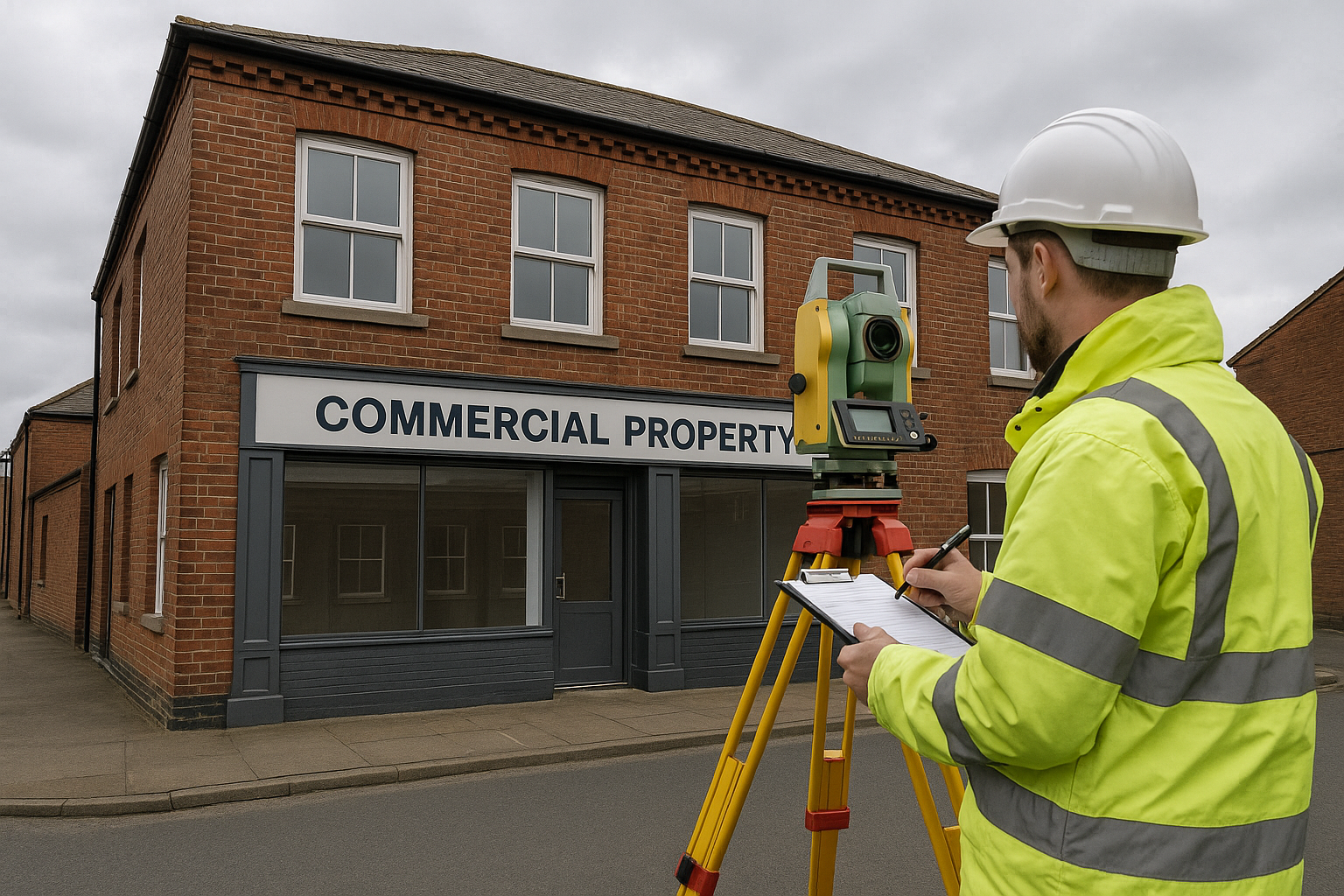
Exposure can happen during drilling, cutting, sanding, breaking, maintenance, refurbishment or demolition. Even small jobs can create a serious problem if the material has not been checked first.
Health risks linked to asbestos exposure
- Mesothelioma
- Asbestos-related lung cancer
- Asbestosis
- Pleural thickening
These diseases can take many years to develop. That long delay is one reason asbestos remains such a serious issue in the UK, even though its use has been banned.
Who is most at risk?
Anyone can be exposed if asbestos is disturbed, but some groups face greater routine risk because of the work they carry out:
- Maintenance staff
- Electricians
- Plumbers
- Joiners
- Heating engineers
- Roofers
- Demolition workers
- Refurbishment contractors
For dutyholders and property managers, the practical message is clear. Before work begins, confirm whether asbestos is present and make sure anyone likely to disturb it has the right information.
What the law expects from dutyholders
If you are asking what is asbestos from a legal and compliance angle, the answer is tied directly to your duties. In non-domestic premises, the Control of Asbestos Regulations place a duty to manage asbestos.
This duty can apply to owners, landlords, occupiers, managing agents and others with responsibility for maintenance or repair. It can also apply to common parts of domestic buildings such as corridors, stairwells, service risers and plant rooms.
What the duty to manage involves
- Finding out whether asbestos is present, and where
- Assessing the risk from those materials
- Keeping an up-to-date asbestos register
- Preparing and implementing an asbestos management plan
- Providing information to anyone liable to disturb asbestos
- Reviewing and monitoring the condition of known materials
HSE guidance is clear on the basic principle. Asbestos in good condition is often safer left in place and managed than removed without a proper reason.
The right action depends on the material, its condition, its accessibility and the likelihood of disturbance. Survey work should follow HSG264 so the information you rely on is suitable for the building and the planned works.
If records are old or known materials may have deteriorated, a re-inspection survey helps confirm whether they remain in a safe condition and whether your register still reflects the property accurately.
How asbestos is identified properly
You cannot confirm asbestos just by looking at a material. Some products may strongly suggest its presence because of their age, appearance or location, but visual identification alone is not enough for safe decision-making.
Proper identification usually combines building history, professional inspection, sampling where appropriate and laboratory analysis.
Typical ways asbestos is identified
- Review the age and refurbishment history of the building
- Inspect suspect materials in the relevant areas
- Take representative samples where safe and appropriate
- Have those samples analysed by a competent laboratory
If there is uncertainty about a suspect material, arrange professional asbestos testing. For isolated items, using a laboratory for sample analysis can help confirm whether asbestos is present before maintenance or repair goes ahead.
For wider works, localised testing alone may not be enough. The survey type matters just as much as the test result.
What to do if you suspect asbestos
If you think a material may contain asbestos, stop work immediately. Do not drill it, cut it, break it, sand it or try to remove it yourself.
Your first priority is to prevent further disturbance. Your second is to get competent advice quickly.
Immediate steps to take
- Stop work in the area
- Restrict access if needed
- Avoid sweeping, brushing or vacuuming debris
- Record the location and condition of the suspect material
- Inform anyone who may be affected, including contractors
- Arrange inspection by a competent asbestos surveyor
If asbestos is confirmed, the next step depends on risk. In some cases, the material can remain in place and be managed. In others, repair, encapsulation, enclosure or removal may be needed.
Where removal is necessary, use a competent specialist for asbestos removal. Some asbestos work requires licensed contractors, strict controls and carefully planned procedures.
Survey types and when you need them
Surveying is how you move from assumptions to evidence. Under HSG264, the survey type must match the purpose. Choosing the wrong one can leave hidden asbestos directly in the path of planned works.
Management surveys
A management survey is used to locate, as far as reasonably practicable, the presence and extent of asbestos-containing materials that could be disturbed during normal occupation and foreseeable maintenance.
It is the standard survey for occupied buildings where no major intrusive works are planned. If you are running a property day to day, this is often the baseline document you need.
Refurbishment and demolition surveys
Before intrusive refurbishment or demolition, a more invasive survey is required. These surveys are designed to identify asbestos in the area of planned works, including hidden materials behind finishes, inside voids and within the building fabric.
If demolition is planned, a demolition survey is essential before work begins. The same level of intrusive investigation is generally needed for refurbishment in the affected areas.
Re-inspection surveys
Where asbestos has already been identified and is being managed in place, periodic re-inspections are used to monitor condition. This helps keep the asbestos register current and highlights deterioration before it creates a bigger problem.
Asbestos during maintenance, refurbishment and demolition
Many asbestos incidents happen during routine jobs that seem minor at first. Replacing a light fitting, opening a ceiling void, removing boxing, upgrading fire doors or accessing a riser can all disturb hidden asbestos.
That is why work planning matters. Contractors should never start based on assumptions, memory or a vague note saying there is probably no asbestos.
Before maintenance work
- Check the asbestos register
- Confirm the information is current and relevant to the exact work area
- Make sure contractors have seen the asbestos information
- Pause work if records are incomplete or unclear
Before refurbishment work
- Define the scope of works clearly
- Arrange the correct intrusive survey for affected areas
- Review findings before tendering or starting site work
- Allow time for any remedial action or removal
Before demolition work
- Do not rely on a management survey
- Commission the correct pre-demolition survey
- Ensure asbestos risks are addressed in the wider project plan
- Coordinate removal and waste handling properly
Practical planning prevents delays and protects workers, occupants and visitors from avoidable exposure.
Asbestos and wider building safety duties
Asbestos compliance rarely sits on its own. In real buildings, it overlaps with fire safety, contractor control, maintenance planning and general health and safety management.
Plant rooms, service risers, ceiling voids and fire protection works often involve both asbestos risk and other safety considerations. Coordinating these duties saves time and reduces the chance of unsafe work.
For example, if you are reviewing service penetrations, ceiling works or compartment lines, check whether asbestos information is current before opening anything up. If the records are old, unclear or incomplete, deal with that first rather than hoping the area is clear.
Practical advice for property managers and dutyholders
If you are responsible for a building, the safest approach is to treat asbestos management as a live process rather than a one-off document exercise. Records that sit in a folder but never reach contractors are of limited use.
Use these practical steps to stay ahead of the risk:
- Know your building stock. Flag properties built or refurbished before 2000.
- Check your surveys. Make sure you have the right survey for the purpose, not just any survey.
- Keep the register current. Update it when materials are removed, repaired or re-assessed.
- Share information properly. Contractors need relevant asbestos information before they start work.
- Review condition regularly. Materials can deteriorate over time, especially in high-traffic or service areas.
- Do not rely on assumptions. If there is doubt, stop and verify.
These steps are straightforward, but they prevent the most common failures: outdated records, poor communication and work starting before asbestos risk has been checked.
Local asbestos survey support across the UK
Fast access to competent surveyors matters when maintenance is due, a tenant fit-out is planned or a project is already under time pressure. Local support can make compliance quicker and easier to manage.
If you need help in the capital, an asbestos survey London service can help you assess risk and keep works moving safely. For projects in the North West, an asbestos survey Manchester option gives you local coverage for commercial and residential properties. In the Midlands, an asbestos survey Birmingham service can support everything from routine management duties to pre-refurbishment planning.
If you need broader testing support, this dedicated asbestos testing page explains how professional testing can fit into maintenance and project planning.
What is asbestos management really about?
At a practical level, what is asbestos management really about? It is about preventing exposure by making informed decisions before materials are disturbed.
That means knowing what is in the building, understanding the risk, choosing the right survey, keeping records up to date and making sure anyone carrying out work has the right information at the right time.
For most dutyholders, the biggest mistake is not failing to remove asbestos. It is failing to identify and communicate the risk early enough. Good management is usually quieter than people expect. It is planned, documented and built into everyday maintenance control.
Need expert asbestos help?
If you need clear answers about what is asbestos, or you need a survey, testing or removal support, Supernova Asbestos Surveys can help. We carry out management, refurbishment, demolition and re-inspection surveys nationwide, along with testing and practical advice for dutyholders, landlords and property managers.
Call 020 4586 0680 or visit asbestos-surveys.org.uk to book a survey or speak to our team.
Frequently Asked Questions
What is asbestos made of?
Asbestos is a group of naturally occurring fibrous minerals. The fibres are strong, heat resistant and durable, which is why asbestos was used in many building products and industrial materials.
Is asbestos always dangerous if it is in a building?
Not always in the same way. Asbestos is most dangerous when fibres are released and breathed in. Materials in good condition that are sealed and unlikely to be disturbed may often be managed in place, but they still need proper assessment and monitoring.
Can you identify asbestos just by looking at it?
No. Some materials may look suspicious because of their age or appearance, but asbestos cannot be confirmed by sight alone. Proper identification usually requires inspection, sampling and laboratory analysis.
When do I need an asbestos survey?
You may need a survey when managing an older non-domestic property, before maintenance that could disturb materials, before refurbishment or before demolition. The correct survey type depends on what work is planned and how the building is used.
What should I do if a contractor damages a suspect material?
Stop work immediately, keep people away from the area and avoid disturbing the debris further. Then arrange competent asbestos advice and assessment as quickly as possible so the risk can be controlled properly.