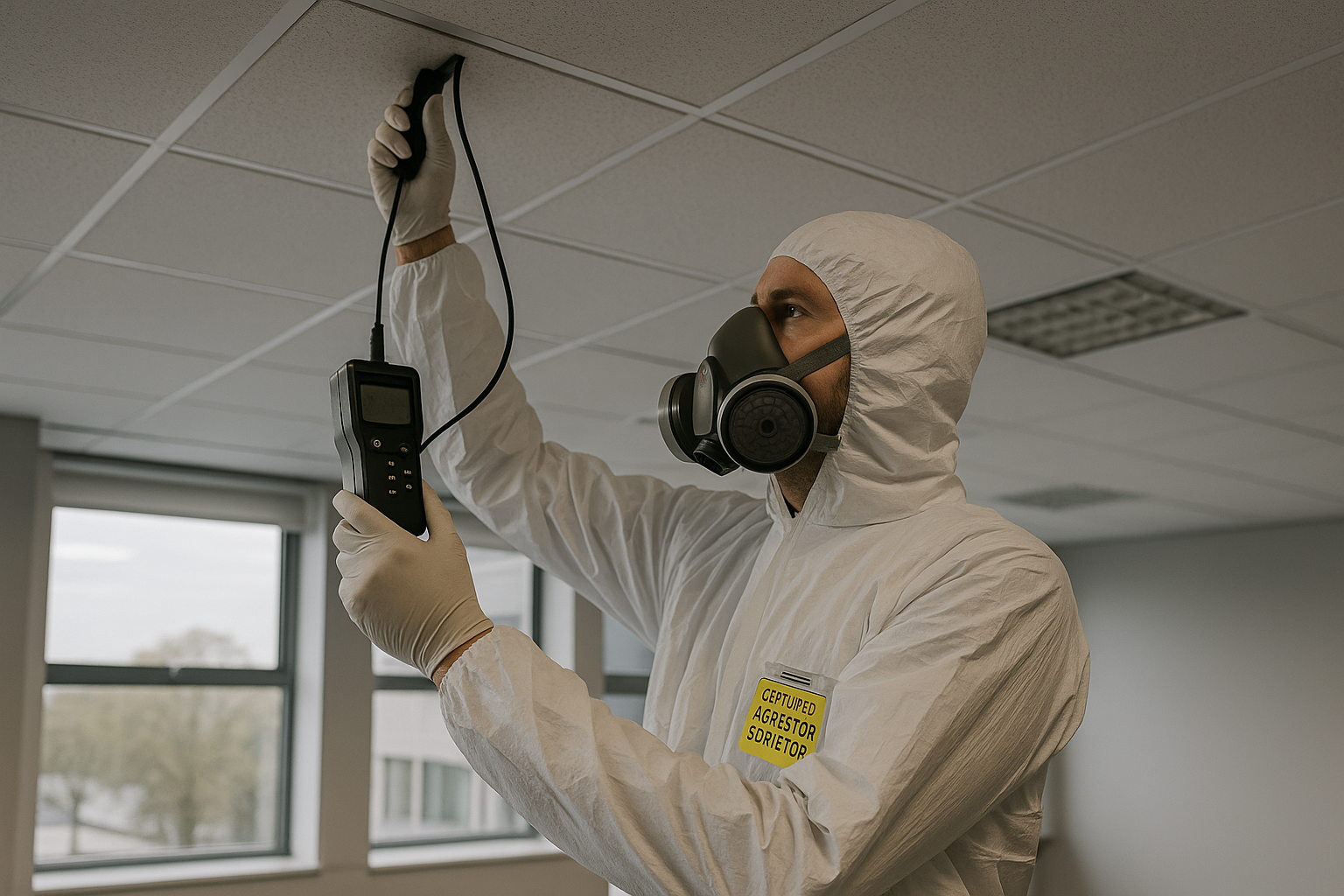
Planned works in an older building can go off track very quickly when hidden asbestos is discovered after contractors have started. If you need an asbestos survey Cardiff property managers can rely on, the key is getting the right survey at the right time, before the building fabric is disturbed and before risk turns into delay, cost and disruption.
Across Cardiff, that matters more than many duty holders realise. The city has a wide mix of housing, offices, schools, healthcare premises, industrial units and public buildings, and many were built or altered when asbestos-containing materials were commonly used. If a property was constructed before 2000, asbestos may be present unless a suitable survey shows otherwise.
Why an asbestos survey Cardiff properties need should never be left too late
Asbestos is still found in a wide range of materials. Common examples include textured coatings, asbestos insulating board, floor tiles, cement sheets, soffits, ceiling tiles, pipe lagging, boxing and materials hidden in service risers or voids.
The issue is not simply that asbestos exists. The real danger appears when materials are drilled, cut, broken, sanded, stripped out or otherwise disturbed, releasing fibres that people may inhale.
That is why an asbestos survey Cardiff duty holders arrange early is so valuable. It gives you practical information before maintenance, refurbishment or demolition starts, helping you protect occupants, staff and contractors while staying aligned with the Control of Asbestos Regulations, HSG264 and relevant HSE guidance.
- Protect occupants, visitors and workers
- Reduce the chance of accidental fibre release
- Avoid stop-start projects and emergency decisions on site
- Support your asbestos register and management plan
- Give contractors the information they need before work begins
- Help you plan remedial works and access arrangements properly
Which type of asbestos survey Cardiff buildings may need
Not every building needs the same survey. The right choice depends on how the property is used, whether it is occupied, and what work is planned.
Management survey
For occupied buildings, the starting point is often a management survey. This survey is designed to locate, as far as reasonably practicable, asbestos-containing materials that could be damaged or disturbed during normal occupation, routine maintenance or minor works.
An asbestos management survey is commonly required for offices, schools, retail units, communal areas in blocks of flats, warehouses, healthcare premises and public buildings. For many duty holders, it forms the basis of the asbestos register used to manage risk on an ongoing basis.
Refurbishment survey
If planned works will disturb the building fabric, a refurbishment survey is usually required before work starts. This applies to projects such as rewiring, replumbing, kitchen and bathroom replacements, fit-outs, strip-outs, structural alterations and major upgrades.
An asbestos refurbishment survey is intrusive by design. Surveyors may need to open up floors, ceilings, wall linings, boxing and voids in the affected areas to identify hidden materials that would not be visible during a standard inspection.
Demolition survey
Where a building, or part of one, is due to be demolished, a demolition survey is needed. This is the most intrusive survey type and aims to locate all asbestos-containing materials, so they can be managed or removed before demolition proceeds.
Re-inspection survey
If asbestos has already been identified and is being managed in place, a re-inspection survey helps monitor its condition over time. This is a practical way to keep records current and demonstrate that asbestos management is active rather than forgotten.
Who should arrange an asbestos survey Cardiff service?
In many cases, the answer is simple: the person or organisation responsible for the premises. If you manage non-domestic property, or the common parts of residential buildings, you may have a duty to manage asbestos where you control maintenance, repair or access.
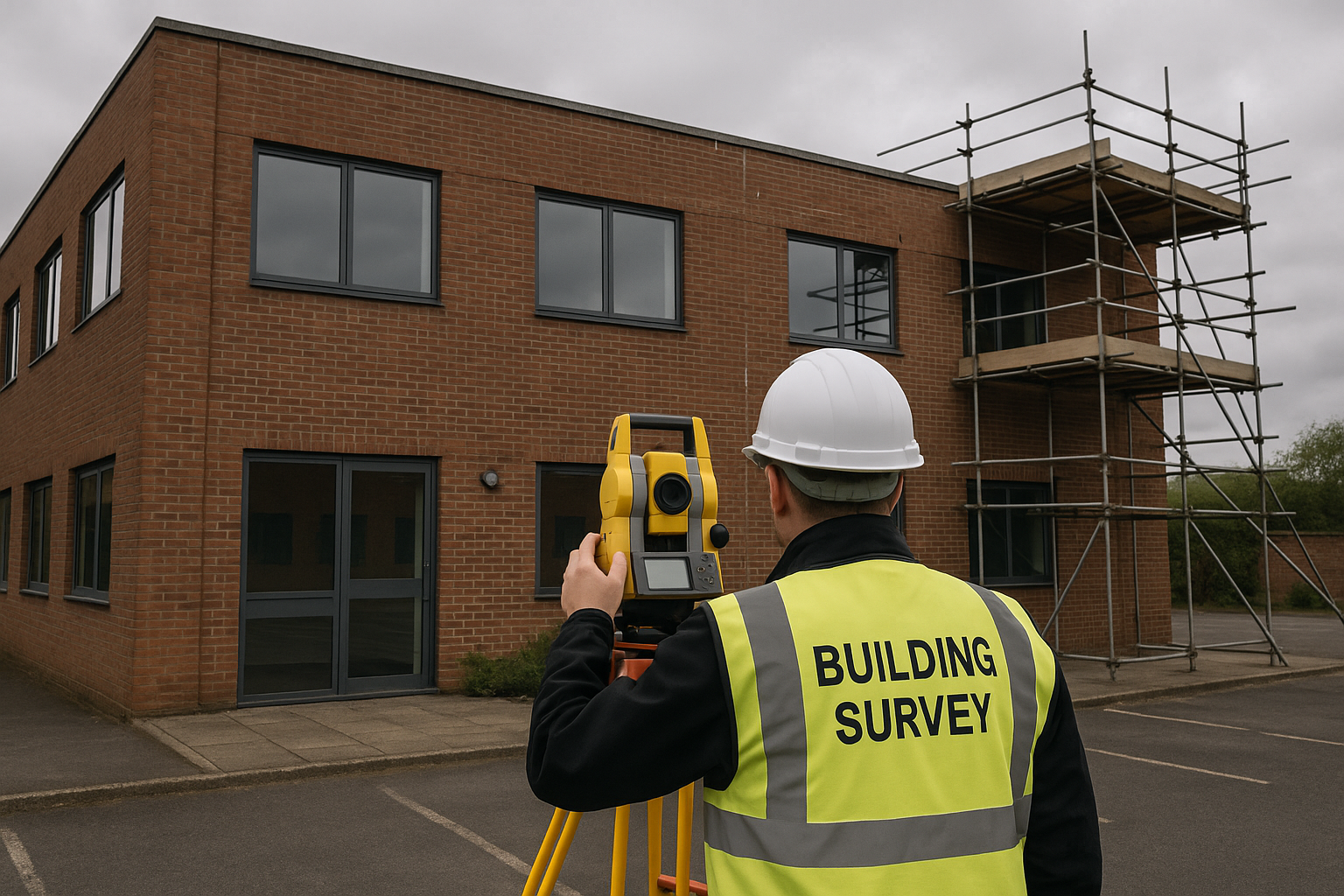
You are likely to need an asbestos survey Cardiff service if you are responsible for:
- Commercial premises
- Schools, colleges and nurseries
- Healthcare buildings and surgeries
- Retail units and shopping parades
- Warehouses and industrial premises
- Communal areas in blocks of flats
- Supported accommodation and hostels
- Public buildings and community spaces
- Mixed-use developments
This often applies to property managers, facilities managers, housing associations, landlords, local authorities, estate teams and managing agents. A suitable survey helps you understand where asbestos is located, what condition it is in and what information contractors need before carrying out work.
One point is worth being clear about. A management survey is not a substitute for intrusive surveying. If works will disturb the structure or fabric of the building, the correct refurbishment or demolition survey must be completed first.
Asbestos survey Cardiff advice for repairs and day-to-day property management
Housing repairs and routine maintenance are among the most common points where asbestos risk gets missed. A job that looks minor on paper can still disturb asbestos if it involves drilling, lifting floor coverings, removing panels, chasing walls or accessing hidden service routes.
Before raising or attending repairs in a pre-2000 property, check whether there is an up-to-date asbestos register and whether the affected area has been surveyed. If the information is missing, limited or unclear, pause the work and verify the risk before anyone starts.
Practical steps for repairs teams
- Review the asbestos register before scheduling work
- Flag known or presumed asbestos-containing materials on job orders
- Brief operatives and contractors before attendance
- Stop work immediately if suspect materials are uncovered
- Arrange sampling or the correct survey before continuing
- Update records once findings are confirmed
This approach is especially useful in void properties, responsive maintenance, cyclical programmes and estate-wide repairs. It reduces rushed decisions on site and helps protect tenants, operatives and contractors.
Leaseholders and alterations
Leaseholder alterations often create confusion about responsibility. In general, the party controlling the relevant area should make sure asbestos risk is assessed properly.
For communal areas, that usually sits with the freeholder, managing agent or other duty holder. If a leaseholder is planning intrusive works inside the flat, they should not rely on a survey of communal parts alone. The affected internal areas may need a dedicated survey before work begins.
For building managers, the practical steps are straightforward:
- Keep communal asbestos records current
- Provide relevant information when works are proposed
- Require suitable surveys before approving intrusive alterations
- Make sure contractors receive asbestos information in advance
Contractor communication
Contractors also have responsibilities. Anyone carrying out work liable to disturb asbestos must have suitable information before they start.
If that information is not available, the safe response is to stop and assess the risk properly. Good asbestos management depends on communication, not assumptions, especially in mixed-tenure blocks and large property portfolios where multiple contractors may attend over time.
Supported housing, independent living and specialist accommodation
Buildings used for support services need careful asbestos planning because they often remain occupied while maintenance and improvement works continue. The same applies to independent living schemes, homelessness accommodation and specialist housing where disruption can affect vulnerable residents.

Supported accommodation
Support providers need survey information that is clear and practical. Staff should understand where asbestos is, what condition it is in and what restrictions apply before arranging repairs, access works or room upgrades.
- Keep the asbestos register accessible to estates and maintenance teams
- Brief staff on what to do if damage is reported
- Check survey coverage before service installations or room alterations
- Arrange intrusive surveys before planned improvement works
Independent living schemes
Independent living buildings often contain older service cupboards, risers, plant rooms and communal spaces where asbestos-containing materials may still be present. A management survey can identify risks in occupied areas, while targeted refurbishment surveys are needed before adaptations, heating upgrades, rewiring or lift works.
Because residents may remain in occupation, timing matters. Survey early, isolate affected areas where needed and make sure contractors follow the report recommendations precisely.
Homelessness services and high-turnover accommodation
High-turnover accommodation can involve urgent repairs and frequent room changes. That combination increases the chance of accidental disturbance if asbestos records are incomplete or out of date.
An effective asbestos survey Cardiff strategy for these settings should include baseline surveys, clear repair procedures and rapid escalation when suspect materials are found. Speed matters, but control matters more.
Specialist and social housing
Specialist and social housing providers often manage properties of very different ages and construction types. Standard procedures help, but each building still needs the right level of survey evidence for its condition and planned use.
Where communal areas are involved, the duty to manage remains central. Where intrusive works are planned inside individual dwellings, surveys must be arranged before the fabric is disturbed.
Planning refurbishment, redevelopment and demolition projects properly
Across Cardiff, many projects involve conversion, extension, regeneration or redevelopment of existing buildings. Even where the finished scheme will look entirely new, asbestos risk in the original structure must be identified and dealt with first.
Developers, principal contractors and project managers should build asbestos surveying into the earliest stages of planning. Leaving it until procurement or mobilisation is one of the most common causes of delay.
A sensible process before work starts
- Review the age and history of the building
- Identify the exact scope of planned works
- Commission the correct survey for the affected areas
- Allow time for sampling, analysis and reporting
- Assess whether removal is required before the main works
- Share findings with designers, contractors and duty holders
- Update pre-construction information accordingly
If asbestos-containing materials are found in the work area, they may need to be removed before the project proceeds. Depending on the material and condition, that may involve licensed or non-licensed work, so early planning is always the safer route.
Where removal is needed, using a specialist provider for asbestos removal helps keep the project compliant and properly sequenced.
What happens during an asbestos survey Cardiff clients book?
A professional asbestos survey Cardiff clients receive should be clear, evidence-based and usable on site. The exact method depends on the survey type, but the process usually includes inspection, sampling, assessment and reporting.
Inspection and access
For management surveys, the surveyor inspects accessible areas without causing unnecessary damage. For refurbishment and demolition surveys, access is more intrusive because hidden materials in the affected areas must be identified.
Good access arrangements make a real difference. If plant rooms, risers, roof voids, locked cupboards or vacant units are inaccessible, the report may contain limitations that leave you with unanswered questions.
Sampling and analysis
Where suspect materials are found, samples may be taken and sent for analysis. Sampling helps confirm whether a material contains asbestos and supports more accurate recommendations.
In some cases, materials may be presumed to contain asbestos if sampling is not appropriate at that stage. That can still be useful for immediate risk management, but confirmed analysis is often needed before intrusive works proceed.
Assessment and reporting
The final report should identify the location, extent and condition of asbestos-containing materials, or presumed materials, in the surveyed areas. It should also explain any limitations, provide material assessments where appropriate and include recommendations for management, further action or removal.
A good report is practical. It should help the person on site make safe decisions rather than leaving them to interpret vague wording.
How to prepare for an asbestos survey in Cardiff
If you want your survey to be useful first time, preparation matters. Many survey delays are caused by poor access, incomplete information or uncertainty about the scope of work.
Before booking an asbestos survey Cardiff property teams should gather the basics:
- The full property address and building type
- The age of the property, if known
- Details of planned works or maintenance activity
- Which areas need to be surveyed
- Whether the building is occupied or vacant
- Any access issues, permits or security requirements
- Existing asbestos records or historic survey reports
If refurbishment works are planned, be specific about the areas affected. Saying a building is being refurbished is not enough. Surveyors need to know whether the works involve kitchens, bathrooms, risers, ceilings, roof coverings, M&E routes or structural elements, because the survey scope must match the actual disturbance.
Common mistakes that lead to asbestos problems
Most asbestos issues in property management are not caused by rare events. They usually come from ordinary mistakes that could have been avoided with better planning.
- Assuming a previous survey covers all areas and all future works
- Relying on a management survey for intrusive refurbishment
- Sending contractors in before asbestos information is checked
- Ignoring inaccessible areas and hoping they are not affected
- Failing to update the asbestos register after repairs or removal
- Not sharing survey findings with the people doing the work
- Treating suspect materials as harmless because they look intact
If you manage multiple properties, standardise your process. Make asbestos checks part of every repair, void, fit-out and capital works workflow rather than leaving it to individual judgement.
Choosing the right survey provider in Cardiff
Not all survey arrangements are equal. The best outcome comes from using a provider that understands the property type, the scope of works and the practical pressures around access, occupation and project timescales.
When comparing providers, ask sensible questions:
- Do they follow HSG264 and relevant HSE guidance?
- Can they explain which survey type you actually need?
- Will the report be clear enough for contractors and duty holders to use?
- Can they deal with occupied buildings and phased access?
- Do they understand housing, education, healthcare or commercial environments?
- Can they support follow-on actions if asbestos is identified?
If you manage property in more than one city, consistency matters as well. Many clients with regional portfolios also need support beyond Wales, whether that is an asbestos survey London, an asbestos survey Manchester or an asbestos survey Birmingham service delivered to the same standard.
When asbestos is found: practical next steps
Finding asbestos in a survey report does not automatically mean panic or major disruption. In many cases, materials can be managed safely if they are in good condition and unlikely to be disturbed.
The right response depends on the type of material, its condition, its location and the work planned nearby. Practical next steps may include:
- Updating the asbestos register
- Labelling or communicating risk where appropriate
- Restricting access to affected areas
- Adjusting the scope of works
- Arranging encapsulation, repair or removal
- Booking a re-inspection to monitor condition over time
The key is to act on the report rather than filing it away. A survey only adds value when the findings feed into day-to-day management and project planning.
Frequently Asked Questions
Do I need an asbestos survey before refurbishment in Cardiff?
If the work will disturb the fabric of a pre-2000 building, you will usually need a refurbishment survey before it starts. A standard management survey is not enough for intrusive works such as rewiring, replumbing, strip-outs or structural alterations.
Is an asbestos survey a legal requirement for commercial property?
If you are responsible for non-domestic premises, or the common parts of residential buildings, you may have duties under the Control of Asbestos Regulations to manage asbestos risk. In practice, that often means arranging the appropriate survey so you know what is present and how it should be managed.
Can a building remain occupied during an asbestos survey?
Yes, many management surveys are carried out in occupied buildings. Refurbishment and demolition surveys are more intrusive, so affected areas may need to be vacated or isolated depending on the scope of work.
What is the difference between a management survey and a refurbishment survey?
A management survey helps identify asbestos-containing materials that could be disturbed during normal occupation or routine maintenance. A refurbishment survey is intrusive and is required before planned works that will disturb the building fabric.
What should I do if contractors uncover a suspicious material?
Stop work immediately and prevent further disturbance. The material should be assessed properly, which may involve sampling or arranging the correct asbestos survey before work continues.
If you need a reliable asbestos survey Cardiff service, Supernova Asbestos Surveys can help with management surveys, refurbishment surveys, demolition surveys, re-inspections and follow-on support across Cardiff and nationwide. Call 020 4586 0680 or visit asbestos-surveys.org.uk to arrange a survey or discuss your property requirements.