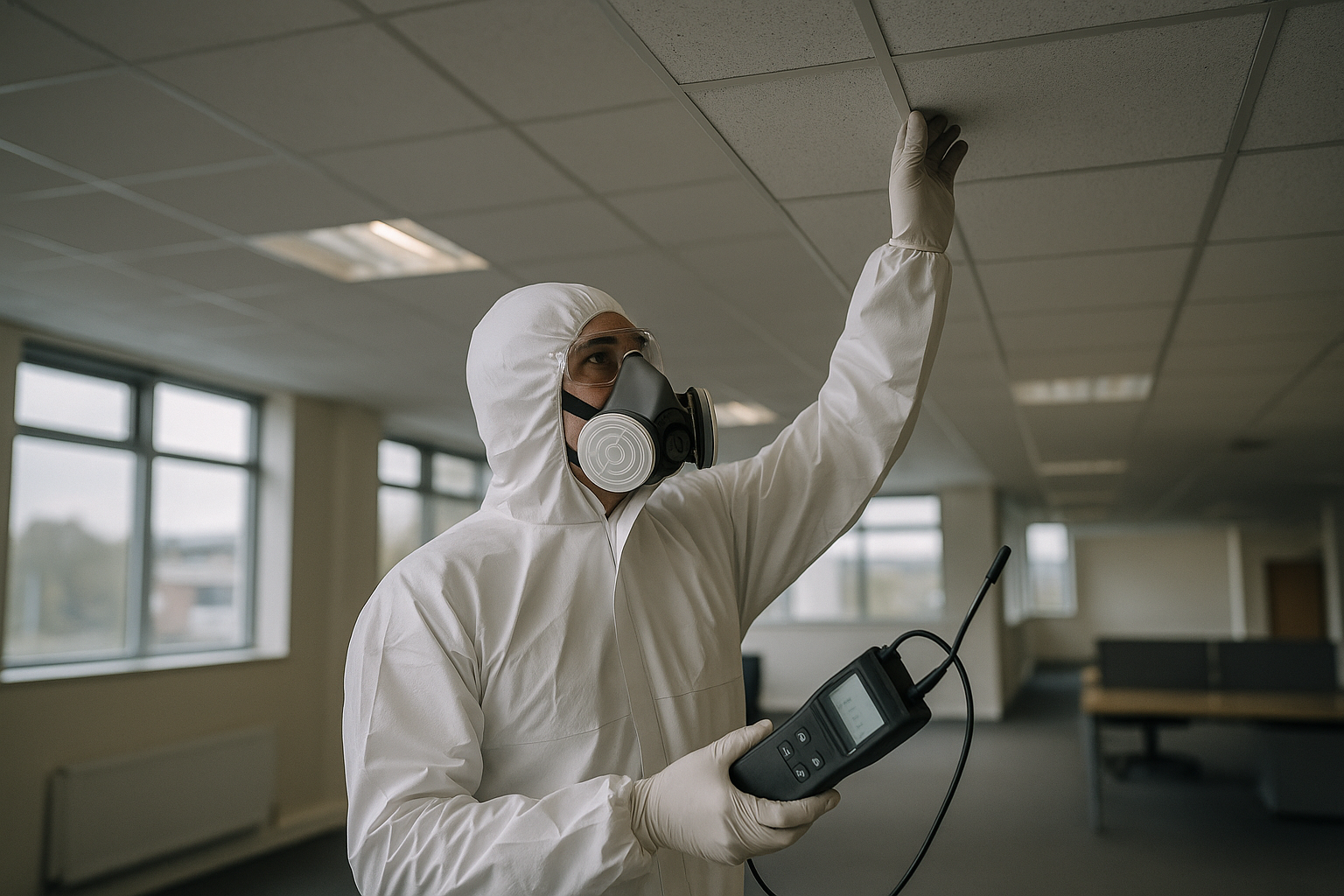
Asbestos Survey Warrington: What Every Dutyholder Needs to Know
If you manage or own a building in Warrington, leaving asbestos to guesswork is a risk you simply do not need to take. An asbestos survey Warrington property owners and dutyholders can rely on gives you a clear picture of what is in the building, where it sits, and what action is needed next. Asbestos is still found across a wide range of Warrington premises — from older offices, schools and warehouses to shops, communal areas of residential blocks and industrial units. If your building was constructed or refurbished before 2000, you should assume asbestos-containing materials may be present until a proper survey proves otherwise.
Why an Asbestos Survey Warrington Dutyholders Trust Actually Matters
Asbestos is not always obvious. It can sit quietly in ceiling tiles, floor coverings, insulation, textured coatings, cement sheets, service risers and fire protection materials for years without drawing any attention. The problem starts when those materials are damaged, drilled, cut, sanded or disturbed during maintenance or building work.
Once fibres are released into the air, the risk moves from manageable to serious very quickly. A professional asbestos survey helps Warrington dutyholders:
- Locate suspected asbestos-containing materials throughout the building
- Assess the condition of those materials
- Understand the realistic likelihood of disturbance
- Meet legal duties under the Control of Asbestos Regulations
- Create or update a compliant asbestos register
- Plan safe maintenance, refurbishment or demolition work
For most non-domestic premises, this is not optional. It is a core part of responsible property management.
Your Legal Duties Under Asbestos Regulations
The Control of Asbestos Regulations place a duty to manage asbestos squarely on those responsible for non-domestic premises. That duty typically falls on the owner, landlord, managing agent, employer or whichever party is named in a lease as responsible for maintenance and repair.
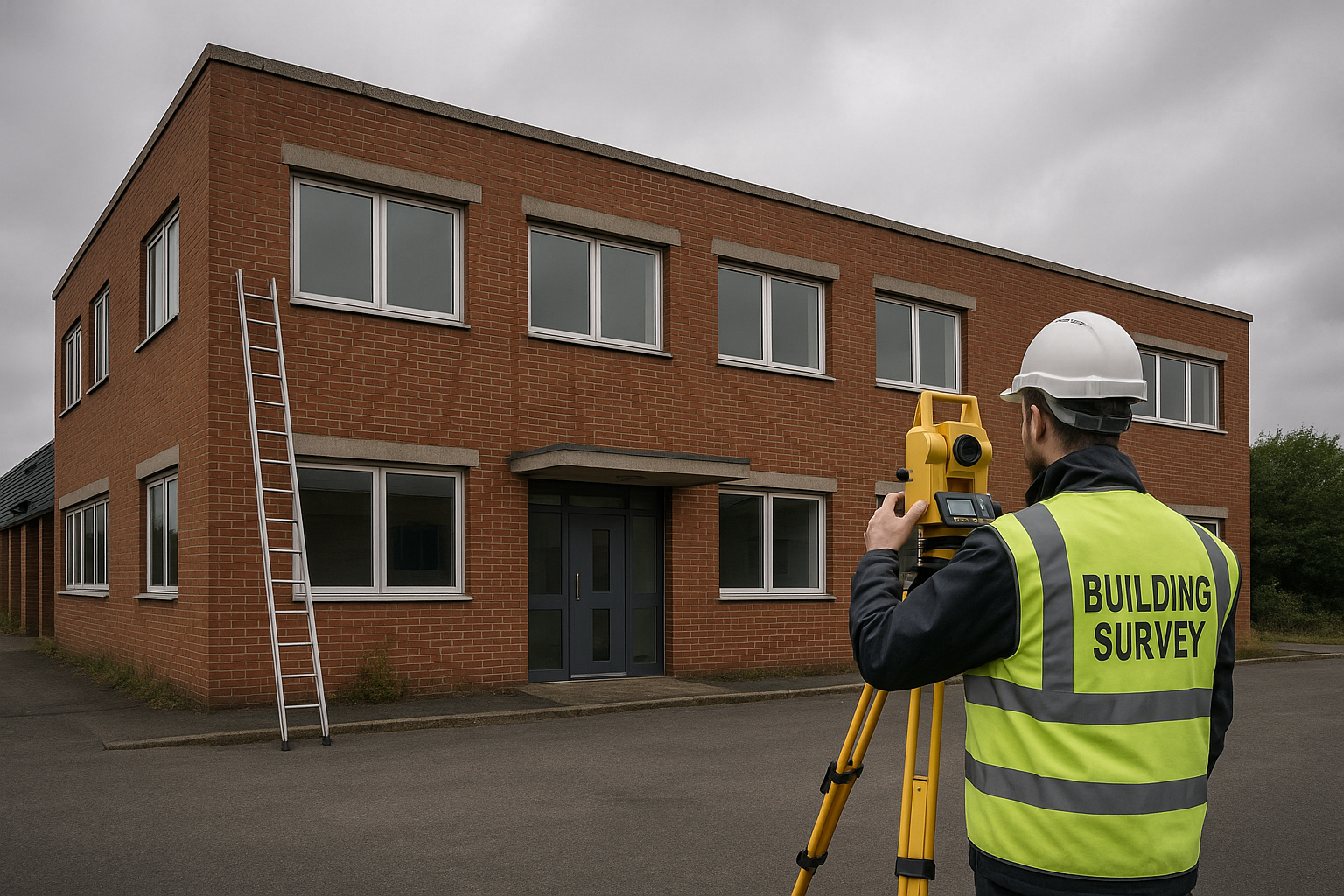
As the dutyholder, you are expected to take reasonable steps to find out whether asbestos is present, assess the risk, and keep that information current. HSE guidance under HSG264 is clear on how survey work should be carried out and what it must cover. In practical terms, your responsibilities include:
- Identifying whether asbestos-containing materials are present or presumed to be present
- Recording their location, extent and condition
- Assessing the risk of disturbance to anyone working in or visiting the building
- Preparing an asbestos management plan
- Sharing relevant information with contractors, staff and anyone else who may carry out work on the building
- Reviewing the condition of known materials at suitable intervals
Without reliable asbestos information, even routine jobs become hard to control safely. Installing cabling, replacing a light fitting, repairing pipework or fixing signage can all expose workers if the wrong material is accidentally disturbed. A proper asbestos survey is usually the first step in meeting those duties correctly.
Which Buildings in Warrington Need an Asbestos Survey?
Any non-domestic building constructed or refurbished before 2000 may contain asbestos. That covers a much wider range of premises than many people initially expect. Common examples in and around Warrington include:
- Office buildings and business parks
- Retail units and shopping centres
- Warehouses and factories
- Schools and colleges
- GP surgeries and healthcare settings
- Hotels, pubs and restaurants
- Churches and community buildings
- Common parts of residential blocks
- Garages, plant rooms and outbuildings
Warrington has a strong mix of industrial, commercial and public-sector property, much of it dating from periods when asbestos use was widespread across construction. Older premises in the area frequently need careful review before any maintenance or project work begins.
If you are unsure whether your premises need attention, start with three questions: How old is the building? What is it used for? Do existing asbestos records exist, and are they current? If records are missing, outdated or vague, book a fresh survey carried out to current standards.
Types of Asbestos Survey and When Each One Is Needed
Not every survey serves the same purpose. Using the wrong type can leave dangerous gaps in your information and create unnecessary risk for contractors and building occupants alike.
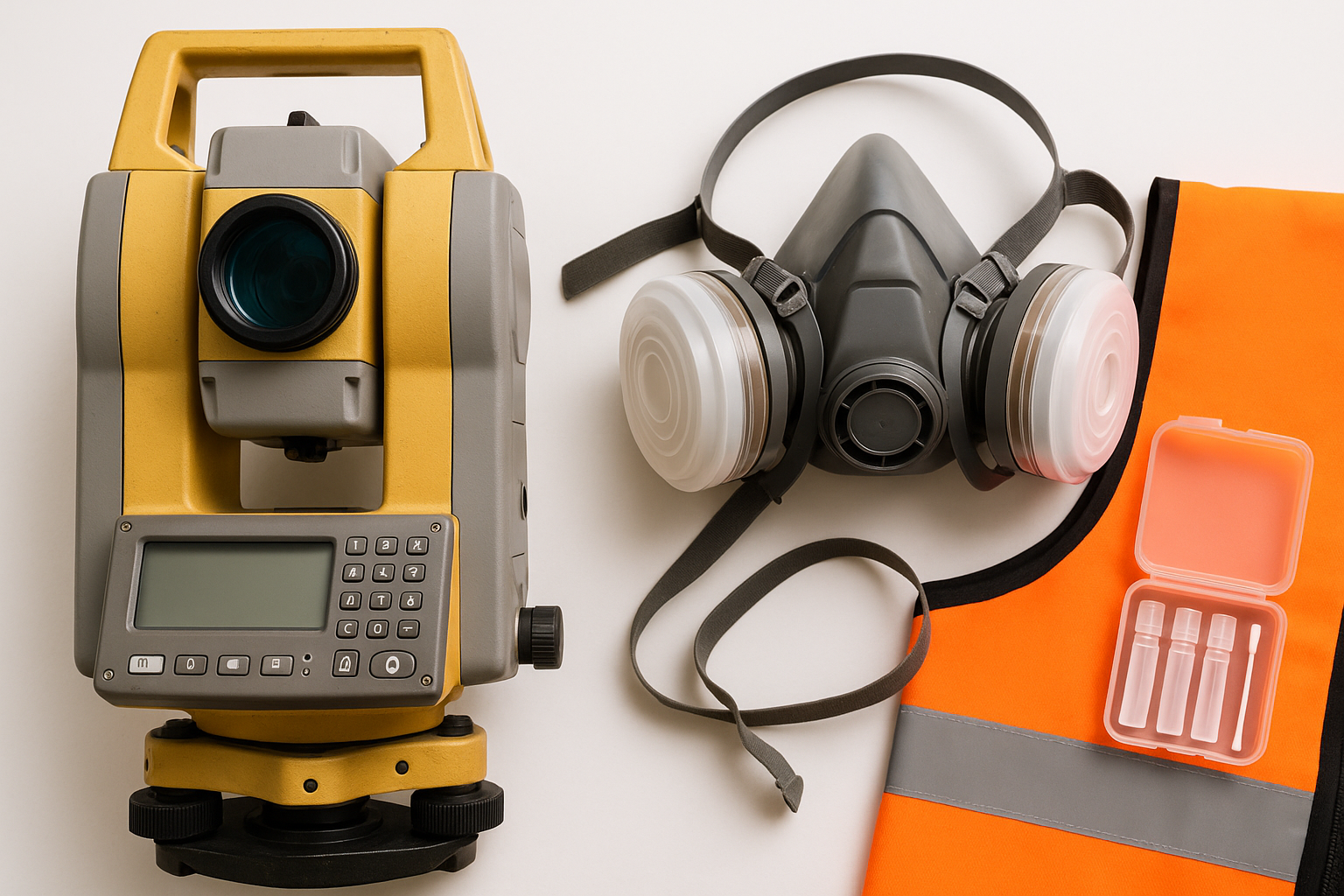
Management Surveys
A management survey is the standard survey for buildings that remain in normal occupation. Its purpose is to locate, as far as reasonably practicable, asbestos-containing materials that could be disturbed during everyday use or routine maintenance. This type of inspection is usually non-intrusive or only minimally intrusive, focusing on accessible areas to help you build an asbestos register and management plan.
If you need a baseline inspection for a property that stays in use, an asbestos management survey is usually the right place to start.
Refurbishment Surveys
If planned work will disturb the fabric of the building, a management survey is not sufficient. You will need a refurbishment survey before that work starts. This survey is more intrusive because it must identify asbestos in the specific areas affected by the planned works — which may involve opening up floors, walls, ceilings or service voids so hidden materials can be properly checked.
Typical triggers for a refurbishment survey include:
- Removing or repositioning partitions
- Replacing kitchens or bathrooms in communal or commercial settings
- Rewiring or electrical upgrades
- Mechanical and HVAC works
- Window replacement
- Major fit-outs or tenant alterations
Demolition Surveys
Where a building or part of it will be taken down, a demolition survey is required. This is the most intrusive survey type, designed to identify all asbestos-containing materials before demolition proceeds. It is usually carried out in vacant areas because destructive inspection is often necessary to reach hidden materials.
Re-Inspection Surveys
Once asbestos-containing materials have been identified and recorded, they should not simply be forgotten about. A re-inspection survey checks known materials to see whether their condition has changed and whether existing management arrangements remain suitable. How often this should happen depends on the materials, their location, condition and the realistic likelihood of disturbance — annual review is common, but the right interval should reflect the actual risk in your building.
What Happens During an Asbestos Survey in Warrington?
A good survey should feel methodical, not disruptive for the sake of it. The detail varies depending on the building and survey type, but the process generally follows these stages.
1. Scoping the Work
The surveyor will ask for basic information about the property — address, age, current use, access arrangements, floor plans, previous asbestos records and details of any planned works. This stage shapes the scope, so be thorough. If you are planning refurbishment and do not explain the full extent of the project, the survey may not cover the areas that need intrusive inspection.
2. Site Inspection
The surveyor inspects the relevant areas systematically, looking for materials that may contain asbestos, noting their location, recording their condition and assessing how likely they are to be disturbed. Depending on the survey type, this may include ceiling voids, risers and ducts, plant rooms, roof spaces, service cupboards, wall panels, floor coverings, external cladding, soffits and cement products.
3. Sampling and Laboratory Analysis
Where a material is suspected to contain asbestos, the surveyor will take a sample unless strong existing evidence already confirms its composition. Those samples are sent for asbestos testing by a competent laboratory. If you already have a suspect material and need a quick standalone check, you can also arrange sample analysis directly — though testing a single sample is not a substitute for a full building survey where one is required.
4. Report and Asbestos Register
After the inspection and analysis, you should receive a report that clearly sets out what was inspected, any access limitations, materials identified or presumed to contain asbestos, their location and extent, material assessment information, photographs and plans where appropriate, and recommendations for management or further action. This information forms the basis of your asbestos register, which must be accessible and kept current.
Where Asbestos Is Commonly Found in Warrington Properties
An asbestos survey in Warrington buildings often reveals materials in places that are easy to overlook. Some are obvious once pointed out. Others are hidden behind finishes or tucked away in service areas.
Common locations include:
- Pipe lagging and thermal insulation around boilers and heating systems
- Asbestos insulating board in partitions, ceiling tiles, risers and fire doors
- Textured coatings on ceilings and walls
- Vinyl floor tiles and bitumen adhesive beneath them
- Roof sheets, gutters and downpipes made from asbestos cement
- Soffits and external panels
- Sprayed coatings on structural steelwork
- Toilet cisterns, bath panels and other moulded products
- Fuse boards and backing panels in older electrical installations
Not all asbestos-containing materials carry the same level of risk. Cement sheets in good condition are very different from damaged lagging or broken insulating board. The survey helps you separate lower-risk materials that can be managed in place from higher-risk materials that need urgent attention.
What to Do Once Your Asbestos Survey Report Arrives
The report is useful only if you act on it. Too many dutyholders file the document away and assume the job is done. Once your Warrington asbestos survey report has been issued, take these steps:
- Read the executive summary and recommendations carefully. Do not rely on assumptions about what the survey found.
- Create or update the asbestos register. Make sure it reflects the current building layout and any access limitations noted during the survey.
- Write or review the management plan. Assign responsibility to named individuals, not just departments.
- Inform contractors before they start work. This should be part of your permit-to-work or contractor induction process.
- Label materials where appropriate. Labelling is not always required everywhere, but in many settings it helps prevent accidental disturbance.
- Arrange remedial work where needed. This may involve encapsulation, repair, enclosure or removal depending on the material and its condition.
- Set review dates. Known asbestos-containing materials should be monitored at suitable intervals.
If the report recommends licensed work or specialist remediation, use competent contractors. Where removal is the right course of action, arrange professional asbestos removal rather than relying on general trades who may not be licensed or equipped for the work.
When Asbestos Can Stay in Place — and When It Cannot
Finding asbestos does not automatically mean stripping it out. In many buildings, the safest option is to leave stable materials in place and manage them properly. That approach can work well when the material is in good condition, is sealed or protected, is unlikely to be disturbed, can be inspected periodically, and is clearly recorded in the asbestos register.
Removal or other remedial action becomes more likely when the material:
- Is damaged, friable or deteriorating
- Is in an area of frequent access or high footfall
- Will be disturbed by planned works
- Cannot be managed safely in its current location
- Creates a foreseeable risk to occupants or contractors
This is where professional judgement matters. A sound asbestos survey report should not simply identify materials — it should support sensible, proportionate next steps.
How to Choose a Competent Asbestos Surveyor in Warrington
Survey quality matters enormously. A poor survey can miss materials, misidentify products or give vague recommendations that are difficult to act on. When choosing a provider for an asbestos survey Warrington buildings require, look for:
- Surveyors holding suitable asbestos surveying qualifications
- Work carried out in line with HSG264
- Clear understanding of the Control of Asbestos Regulations
- Access to competent laboratory support for asbestos testing
- Reports that are specific, clear and practical — not generic templates
- Relevant experience across the type of property you manage
Ask sensible questions before you book. What type of survey do you actually need? Will sampling be included? How are results reported and how quickly? What happens if access is restricted on the day? A reputable surveyor will answer these questions clearly and without hesitation.
It is also worth knowing that Supernova Asbestos Surveys operates nationally. If you manage property portfolios across multiple locations, the same standards that apply to an asbestos survey in Warrington apply equally to an asbestos survey London or anywhere else in the country — consistent methodology, qualified surveyors and clear reporting every time.
Frequently Asked Questions
Do I legally need an asbestos survey for my Warrington premises?
If you are the dutyholder for a non-domestic building constructed or refurbished before 2000, you have a legal duty under the Control of Asbestos Regulations to manage asbestos. That duty requires you to take reasonable steps to identify whether asbestos is present. A professional survey is the standard way to fulfil that requirement. Without one, you cannot reliably meet your obligations or protect the people who work in or visit your building.
How long does an asbestos survey in Warrington take?
The time required depends on the size and complexity of the building and the type of survey needed. A management survey of a small commercial unit might be completed in a couple of hours, while a large industrial facility or school could take considerably longer. Your surveyor should give you a realistic time estimate at the scoping stage. Laboratory results for any samples taken typically add a few working days before the final report is issued.
What is the difference between a management survey and a refurbishment survey?
A management survey is designed for buildings in normal use. It identifies asbestos-containing materials that could be disturbed during routine maintenance and forms the basis of an asbestos register. A refurbishment survey is required before any work that will disturb the fabric of the building. It is more intrusive and focuses specifically on the areas affected by the planned works. Using a management survey where a refurbishment survey is needed can leave workers dangerously exposed.
Can I just test a single material rather than having a full survey?
You can arrange sample analysis for a specific suspect material, and that can be useful in certain circumstances — for example, when a contractor flags a material during a job and you need a quick answer. However, testing one sample is not a substitute for a full building survey. It tells you only about that specific material and gives you no information about anything else in the building. Where a survey is legally required, sample testing alone does not fulfil that duty.
How often should I have my asbestos-containing materials re-inspected?
The Control of Asbestos Regulations require that known asbestos-containing materials are monitored regularly and that your management plan is kept up to date. Annual re-inspection is a common interval, but the right frequency depends on the condition of the materials, where they are located, how accessible they are and how likely they are to be disturbed. Your surveyor should advise on a suitable monitoring schedule as part of the original survey report.
Get Your Asbestos Survey Warrington Booked Today
Supernova Asbestos Surveys has completed over 50,000 surveys across the UK, working with property managers, landlords, employers and local authorities to meet their asbestos obligations safely and efficiently. Whether you need a management survey for an occupied building, a refurbishment survey ahead of planned works, or a re-inspection of materials already on your register, our qualified surveyors can help.
Call us on 020 4586 0680 or visit asbestos-surveys.org.uk to book your asbestos survey Warrington today. Clear reports, qualified surveyors, and straightforward advice — no unnecessary jargon, no unnecessary delays.