
Searches for asbestos surveyor jobs usually begin with salary, vacancies and location. That is understandable. But whether you are thinking about joining the industry or hiring for a surveying role, the real question is competence: what the work involves, how standards are measured, and why the right person can make a major difference to compliance, project planning and safety.
This is not a box-ticking role carried out from behind a desk. People in asbestos surveyor jobs work across offices, schools, warehouses, housing stock, retail premises and live construction environments. They inspect buildings, identify suspected asbestos-containing materials, take samples, record findings accurately and produce reports that duty holders and project teams rely on.
For property managers, estates teams and employers, that matters because a surveyor is not simply filling in a template. They are gathering information that affects maintenance plans, refurbishment works, demolition strategy and the safe occupation of premises under the Control of Asbestos Regulations, HSG264 and wider HSE guidance. For job seekers, it means asbestos surveyor jobs offer a technical career with clear progression and practical value across the UK.
Why asbestos surveyor jobs remain in demand
The UK still has a large asbestos legacy across commercial, public and domestic property. Any building constructed before the ban on asbestos use may contain asbestos-containing materials, and those materials must be identified, assessed and managed properly where present.
That is why asbestos surveyor jobs continue to appear across every region. The need is driven by legal duties, planned works and ongoing property management rather than short-term trends.
Demand usually comes from:
- Specialist asbestos consultancies
- Environmental and compliance firms
- Facilities management companies
- Housing associations and local authorities
- Construction and project management businesses
- Laboratories and analytical organisations
- Large property owners with in-house compliance teams
From an employer’s point of view, the challenge is not always attracting applicants. It is finding people who can survey in line with HSG264, understand scope and limitations, and write reports that are clear enough for a client to act on without confusion.
From a candidate’s point of view, asbestos surveyor jobs remain attractive because competence is portable. If you build strong field experience, recognised qualifications and a reputation for accurate reporting, you can move between sectors, regions and seniority levels more easily than in many other compliance roles.
What asbestos surveyor jobs involve day to day
Job adverts often make the role sound simple: inspect, sample, report. In practice, asbestos surveyor jobs involve far more than that. Good surveyors combine technical knowledge with practical site awareness, careful record keeping and the ability to explain findings to non-specialists.
Typical responsibilities
- Inspecting domestic, commercial, industrial and public sector buildings
- Identifying suspected asbestos-containing materials
- Taking representative bulk samples safely
- Recording precise locations, extent, accessibility and surface treatment
- Assessing material condition and likelihood of disturbance
- Producing survey reports and asbestos registers
- Explaining findings to duty holders, contractors and property managers
- Working in line with company procedures, HSG264 and HSE guidance
- Maintaining PPE, equipment and site documentation
- Returning for follow-up visits where required
The reporting side is often underestimated. A poor report can delay works, confuse contractors and leave the client unclear about what action is needed. A strong surveyor does more than identify materials. They record evidence properly and make the next step clear.
For example, an occupied office may need a management survey to support day-to-day asbestos management. If intrusive works are planned later, the same site may need a refurbishment survey for the affected area before work starts.
If a building is due to be taken down, a demolition survey is required to locate asbestos-containing materials in the area to be demolished. Where asbestos remains in place after identification, a re-inspection survey may also be needed to review condition and keep records current.
What makes somebody good at asbestos surveyor jobs
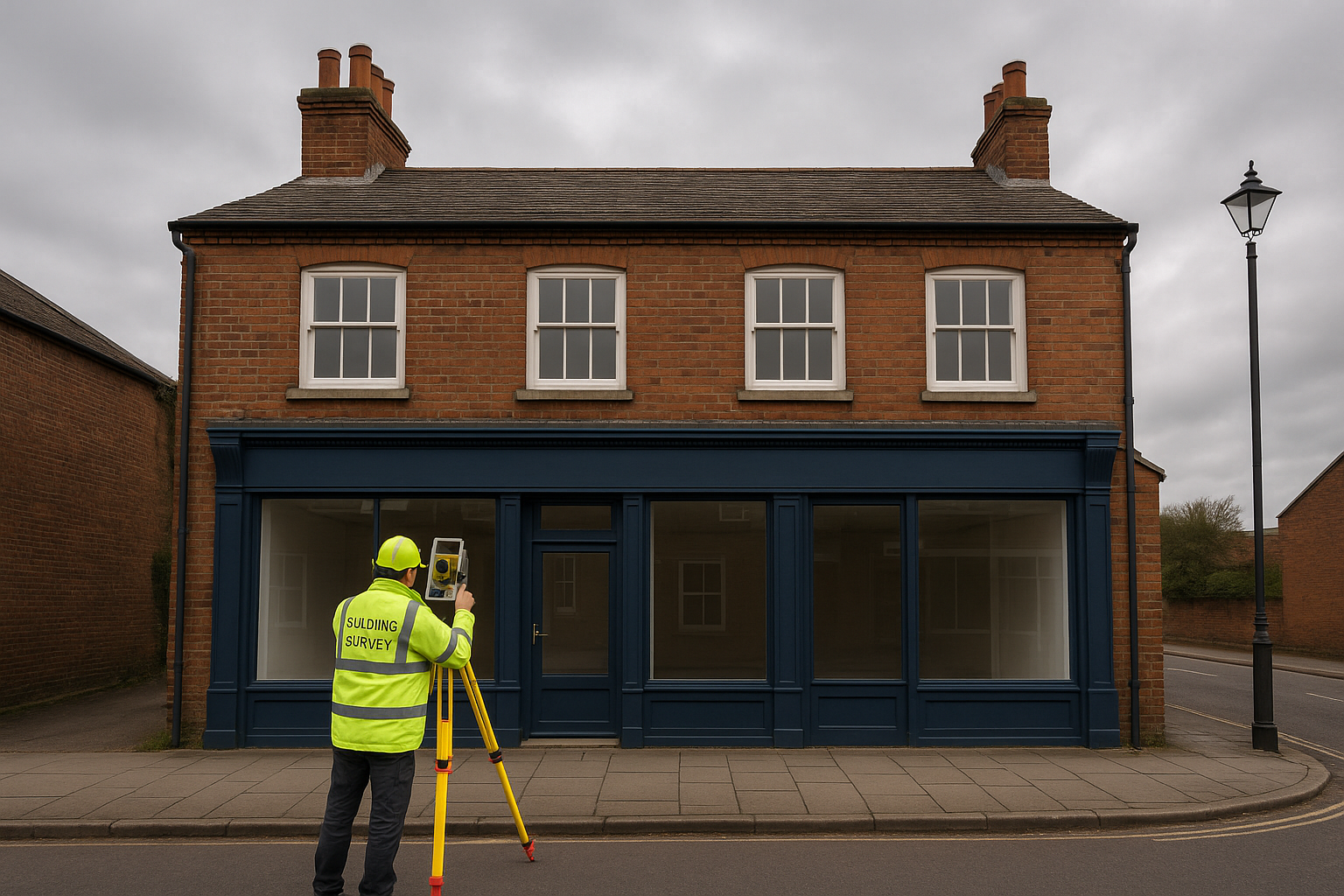
Technical training matters, but it is only one part of the picture. The best people in asbestos surveyor jobs are methodical, calm and able to work sensibly in awkward environments. They do not rush sampling, guess locations or rely on vague notes.
Useful qualities include:
- Strong attention to detail
- Practical understanding of building construction
- Confidence working alone and travelling regularly
- Clear written English for reports and site notes
- Good communication with clients and site teams
- Respect for procedure, evidence and safe systems of work
- Willingness to keep learning
- Ability to manage access issues and site limitations professionally
If you are hiring, look for evidence of these qualities in real examples rather than broad claims. If you are applying for asbestos surveyor jobs, show how you handled difficult access, explained limitations to a client or corrected a report after quality review.
Main types of asbestos surveyor jobs on the market
One reason people get confused is that job boards often group several related disciplines together. A search for asbestos surveyor jobs can return surveying roles, analyst roles, dual roles and laboratory posts in the same results.
Asbestos surveyor
This is the core field role. The surveyor inspects premises, takes samples, records findings and writes reports. For many people, this is the main long-term route into the sector.
Employers usually expect recognised surveying competence, often including BOHS P402, supported by supervised experience and quality assurance.
Asbestos surveyor analyst
An asbestos surveyor analyst role combines surveying with analytical duties. Depending on the employer, that may include air monitoring, bulk sample identification support, four-stage clearance work or a mix of field and laboratory responsibilities.
This can be attractive for employers because one person covers a wider part of the workflow. For candidates, it can also support better progression if standards are maintained in both disciplines.
Dual asbestos surveyor / analyst
This title usually means the employer wants flexibility. The person may switch between surveying and analyst tasks depending on workload.
That can be excellent for development, but only if training and supervision are strong. Being stretched across two disciplines without proper support is not a sign of competence.
Asbestos surveyor / analyst
This is often just a variation in wording, but the split of duties can differ widely. Some roles are mostly surveying with occasional analyst support. Others include a substantial amount of air testing and clearance work.
Before applying, check:
- Which qualifications are essential
- How much travel is expected
- Whether laboratory work is included
- Whether overnight stays are common
- How the week is divided between surveying and analyst duties
Asbestos analyst – static site
This is different again. A static site role is usually tied to one location or major project rather than constant travel. It may suit someone who prefers a more predictable routine, but it is not the same as a building inspection role.
Commercial or senior asbestos surveyor
More senior positions may involve managing client relationships, pricing work, overseeing quality, mentoring junior staff and acting as a technical lead. These roles suit experienced surveyors with strong reporting standards and a good grasp of client expectations.
Contract asbestos surveyor
Contract work can be attractive where consultancies need extra capacity. It may offer day-rate earning potential, but it also requires self-management, experience and a clear understanding of workload, travel, tax and insurance.
For someone new to the industry, permanent asbestos surveyor jobs are usually a better starting point.
Qualifications, competence and regulatory knowledge
In asbestos work, a job title on its own means very little. Employers and clients need evidence of competence. Surveying standards are shaped by the Control of Asbestos Regulations, HSG264 and relevant HSE guidance.
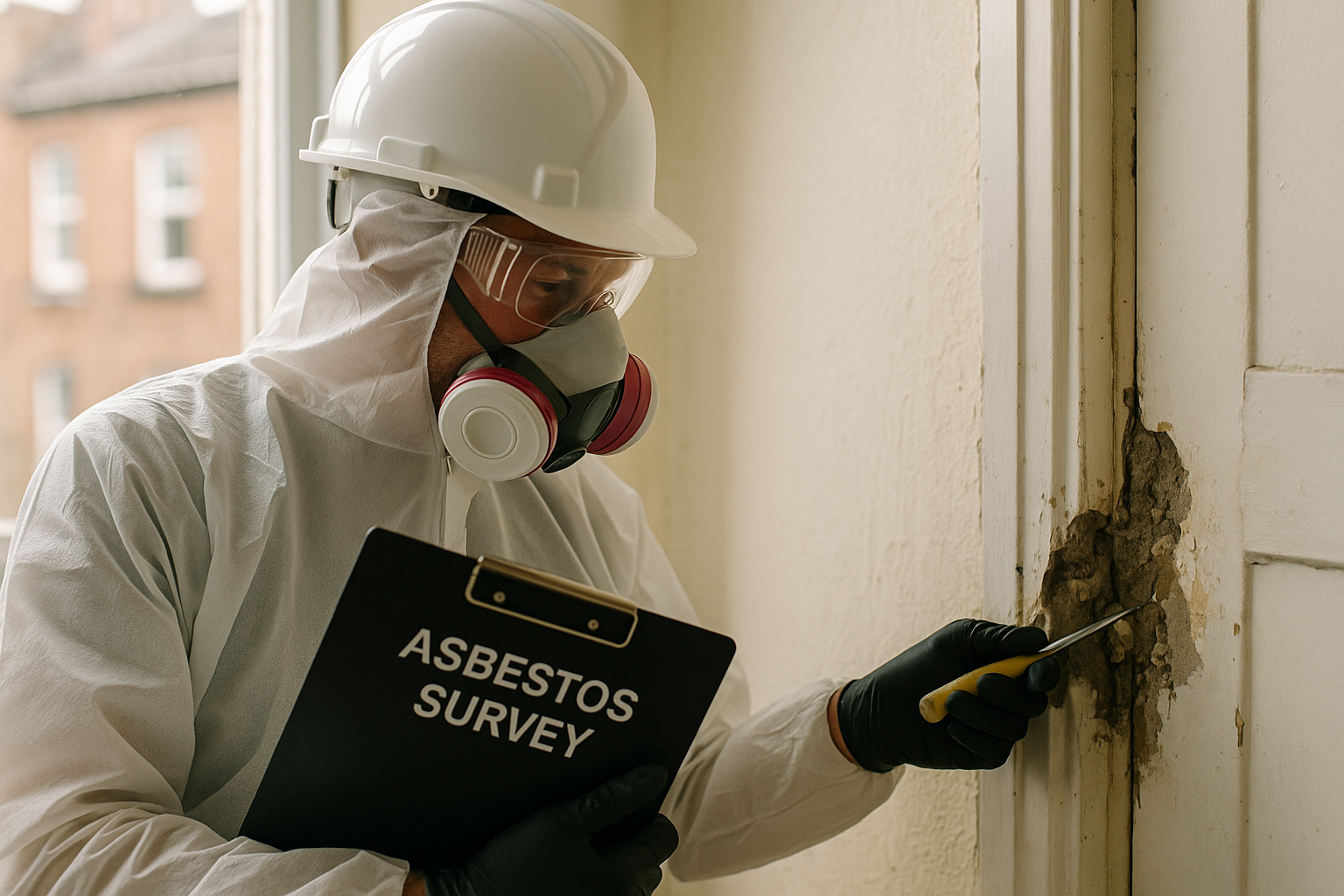
That means candidates need more than a certificate, and employers need more than a CV keyword match.
Common qualifications linked to asbestos surveyor jobs
- BOHS P402 for surveying and sampling strategies
- BOHS P401 for identification of asbestos in bulk samples
- BOHS P403 for air sampling and fibre counting
- BOHS P404 for clearance testing and certificate of reoccupation procedures
Passing a course does not automatically make somebody competent. Real competence comes from supervised fieldwork, quality review, ongoing development and a consistent ability to work to procedure.
What employers should check when hiring
- Relevant qualifications for the exact role advertised
- Experience in occupied and unoccupied premises
- Understanding of survey scope and limitations
- Knowledge of HSG264 expectations
- Ability to communicate clearly with clients
- Examples of accurate, usable reports
- Confidence dealing with access restrictions and site changes
- Driving licence and willingness to travel where required
- Attitude to safety, evidence and quality assurance
If you are applying for asbestos surveyor jobs, prepare examples in advance. Explain how you recorded inaccessible areas, managed client expectations or dealt with suspect materials that needed confirmation through asbestos testing.
Why competence matters more than speed
Some employers under pressure focus too heavily on how many surveys can be completed in a day. That is a mistake. Fast work is only useful when it is accurate, properly scoped and clearly reported.
Poor surveys create expensive problems later. Missed materials, unclear sample records, weak plans and unreliable registers can delay refurbishment, disrupt maintenance and expose duty holders to avoidable risk.
For property managers, the practical lesson is simple:
- Ask what survey type is actually required
- Check whether the scope matches the planned works
- Review limitations carefully
- Make sure suspect materials are sampled or clearly justified if not
- Do not treat the cheapest quote as the safest option
Where there is uncertainty over a material, professional asbestos testing can help verify what is present before decisions are made about occupation, maintenance or removal.
Locations: where asbestos surveyor jobs are strongest in the UK
Location is one of the biggest factors in searches for asbestos surveyor jobs. That makes sense because travel is built into many roles, and regional workload can vary according to property age, refurbishment activity and the concentration of commercial estates.
Large cities and surrounding regions tend to generate steady demand because they combine older buildings, active construction programmes and sizeable portfolios of non-domestic premises.
London and the South East
London remains one of the busiest areas for surveying work. The volume of offices, schools, housing stock, retail premises and refurbishment projects creates regular demand for competent surveyors. For clients needing local support, an asbestos survey London service is often essential where access, programme pressure and building complexity are high.
Manchester and the North West
Manchester and the wider North West also provide strong opportunities. A mix of redevelopment, public sector estates and older commercial property keeps demand steady. For property teams in the region, arranging an asbestos survey Manchester service can help support both planned works and ongoing compliance.
Birmingham and the Midlands
The Midlands remains another active market for asbestos surveyor jobs, with demand across industrial, educational, retail and housing sectors. Businesses managing premises in the area often need an asbestos survey Birmingham provider that can respond quickly and report clearly.
For candidates, location affects more than commuting. It can influence:
- How much driving is expected
- Whether overnight stays are likely
- The mix of domestic and commercial work
- The balance between routine surveys and project-led surveys
- Salary structure and vehicle arrangements
When reviewing asbestos surveyor jobs, always check the actual patch covered. A role described as being in one city may still involve regional travel several days a week.
Career progression in asbestos surveyor jobs
One of the strengths of this sector is that progression is practical and visible. You can build from trainee level into specialist, dual-discipline or leadership roles if your technical standards are strong.
Typical progression route
- Trainee surveyor working under supervision
- Qualified asbestos surveyor carrying out independent surveys
- Senior surveyor handling complex sites and mentoring juniors
- Dual surveyor / analyst with wider technical capability
- Technical manager, quality lead or commercial manager
Progression does not come from time served alone. It comes from report quality, judgement, communication and the ability to work within a robust quality system.
If you want to move forward in asbestos surveyor jobs, focus on:
- Improving report clarity and consistency
- Understanding building construction in more depth
- Learning how different survey types affect project decisions
- Taking quality feedback seriously
- Building confidence with clients and site teams
Advice for employers recruiting for asbestos surveyor jobs
If you are hiring, vague adverts attract vague applications. Be specific about the role, survey mix, travel expectations and level of autonomy required.
A stronger recruitment process usually includes:
- Defining whether the role is surveyor, analyst or dual
- Listing essential qualifications separately from desirable ones
- Explaining the types of properties involved
- Testing knowledge of survey scope and limitations at interview
- Reviewing sample reports where appropriate
- Checking how candidates explain findings to non-technical clients
It is also worth asking scenario-based questions. For example:
- How would you record an inaccessible riser?
- What would you do if the planned works changed on arrival?
- How would you explain survey limitations to a contractor?
- When would a management survey be unsuitable?
These questions reveal far more than a memorised list of qualifications.
Advice for candidates applying for asbestos surveyor jobs
If you are applying for asbestos surveyor jobs, tailor your CV to the actual role. Do not send the same generic application to every vacancy with “asbestos” in the title.
Focus on evidence. Employers want to know what kinds of premises you have surveyed, what qualifications you hold, how you manage quality and whether you can communicate professionally with clients.
Practical ways to improve your application
- List your qualifications clearly and accurately
- Mention the property types you have worked in
- Show experience with management, refurbishment or demolition surveys where relevant
- Highlight report writing and quality assurance exposure
- Be honest about travel flexibility and driving
- Prepare examples of difficult sites and how you handled them
At interview, avoid broad claims such as “I work well under pressure” unless you can support them. A better answer is to describe a real job where access was restricted, the client needed urgent answers and you still maintained proper procedure.
How asbestos surveyor jobs fit into wider property compliance
For property managers, asbestos surveying should never be viewed in isolation. It sits within a wider compliance picture that includes maintenance planning, contractor control, refurbishment management and the duty to manage asbestos in non-domestic premises.
That is why the quality of the surveyor matters so much. Their findings influence whether a building can be occupied safely, whether works can proceed, whether further sampling is needed and whether asbestos-containing materials should remain managed in place or be addressed before disturbance.
A competent surveyor helps clients make practical decisions. An incompetent one creates uncertainty and cost.
If you manage a portfolio, a few habits will make life easier:
- Keep asbestos records accessible and up to date
- Commission the right survey before works are planned
- Share reports with contractors who need the information
- Act on recommendations rather than filing reports away
- Arrange re-inspection where asbestos-containing materials remain in place
Frequently Asked Questions
What qualifications do you need for asbestos surveyor jobs?
Many employers look for BOHS P402 for surveying, supported by practical field experience. For analyst or dual roles, additional qualifications such as P403 or P404 may also be required. Qualifications alone are not enough; employers also want evidence of competence, report quality and understanding of HSG264.
Are asbestos surveyor jobs mainly site-based?
Yes, most asbestos surveyor jobs are largely site-based, although reporting and administration take place away from the inspection area. Travel is common, and some roles involve covering a wide region rather than a single town or city.
What is the difference between a management survey and a refurbishment survey?
A management survey is designed to help duty holders manage asbestos during normal occupation and routine maintenance. A refurbishment survey is more intrusive and is required before refurbishment work in the affected area so hidden asbestos-containing materials can be identified before disturbance.
Can asbestos surveyor jobs lead to other roles?
Yes. Many people progress from trainee or surveyor positions into senior surveying roles, dual surveyor/analyst positions, technical management, quality assurance or commercial leadership. Progression depends on competence, experience and the ability to maintain strong standards.
Why should property managers care about the quality of the surveyor?
Because the surveyor’s findings affect maintenance, contractor safety, project planning and legal compliance. A clear and competent survey helps you manage asbestos properly. A poor survey can lead to delays, uncertainty and avoidable risk.
If you need reliable asbestos support from a specialist team, Supernova Asbestos Surveys can help with surveys, sampling and compliance advice across the UK. Call 020 4586 0680 or visit asbestos-surveys.org.uk to arrange the right service for your property.