
Microscopic asbestos fibres can stay in the body for life, which is why understanding lung disease names linked to asbestos matters far beyond the clinic. For landlords, dutyholders, facilities teams and anyone responsible for older buildings, this is not just a medical issue. If asbestos is disturbed, the health effects may take decades to appear, but the legal and practical consequences can start immediately.
Many people searching for lung disease names are trying to make sense of symptoms, past work exposure or a recent diagnosis. In the asbestos context, these names describe several different conditions, including lung scarring, pleural disease and cancer. They are not interchangeable, and knowing the difference helps you speak more clearly with doctors, understand risk and make safer decisions about buildings.
Why lung disease names linked to asbestos matter
Asbestos-related disease often develops slowly. Someone may be exposed during maintenance, refurbishment, demolition work or even DIY, then feel completely well for years.
That delay is one reason asbestos remains a serious issue across the UK. Although its use is prohibited, many premises still contain asbestos-containing materials, especially if they were built or refurbished before 2000.
For property professionals, the message is straightforward: prevention is far better than dealing with the consequences of exposure. Once fibres reach the lungs or pleura, they cannot simply be removed.
- Health risk: exposure can lead to lifelong respiratory disease or cancer
- Operational risk: unexpected asbestos can halt works and delay projects
- Legal risk: dutyholders must manage asbestos in line with the Control of Asbestos Regulations and HSE guidance
- Financial risk: emergency response, delays and remedial works usually cost more than planned management
If you manage a property portfolio, the safest approach is to identify asbestos before anyone disturbs it. That means having the right survey, keeping records current and making sure contractors have the information they need before starting work.
Main lung disease names associated with asbestos
When people ask about lung disease names in relation to asbestos, a handful of conditions come up repeatedly. Some affect the lung tissue itself, while others affect the lining around the lungs.
Asbestosis
Asbestosis is a chronic fibrotic lung disease caused by inhaling asbestos fibres. The fibres trigger inflammation and scarring, which makes the lungs stiffer and less able to expand normally.
Typical symptoms include increasing shortness of breath, a dry cough, fatigue and chest tightness. In more advanced cases, finger clubbing may be seen.
There is no cure for asbestosis. Treatment usually focuses on monitoring lung function, managing symptoms and avoiding any further exposure.
Mesothelioma
Mesothelioma is a cancer strongly associated with asbestos exposure. It most often affects the pleura, which is the lining around the lungs, although it can also affect the lining of the abdomen and, more rarely, the heart.
Common symptoms include chest pain, breathlessness and fluid around the lungs. One of the most difficult features of mesothelioma is its long latency period, with symptoms often appearing decades after exposure.
Asbestos-related lung cancer
Asbestos can also cause lung cancer. Clinically, it may look the same as lung cancer caused by other factors, which is why a clear occupational and exposure history matters.
Smoking increases the risk further. Anyone with a history of both smoking and asbestos exposure should make sure their doctor knows.
Pleural plaques
Pleural plaques are localised areas of thickening on the pleura. They are not cancer and they do not always cause symptoms, but they are recognised markers of previous asbestos exposure.
They are often found incidentally on imaging. Even when they are not causing symptoms, they may lead to further assessment if there is a relevant exposure history.
Diffuse pleural thickening
Diffuse pleural thickening involves more widespread scarring of the pleural lining. Unlike pleural plaques, it can restrict lung expansion and contribute to significant breathlessness.
This is one of the lung disease names that can have a major effect on day-to-day life. It may limit exercise tolerance, make physical work difficult and affect sleep if breathlessness is persistent.
How asbestos affects the lungs and pleura
To understand these lung disease names, it helps to understand what asbestos fibres do in the body. The fibres are extremely small, so they can bypass the normal defences in the nose and upper airways and travel deep into the lungs.

Once inhaled, they may settle in the alveoli or migrate to the pleura. The body reacts to them, but it cannot easily break them down or remove them.
Chronic inflammation
The body tries to isolate inhaled fibres. That response creates ongoing inflammation, which can damage nearby tissue over time.
Persistent inflammation is a key part of how asbestos contributes to fibrosis and malignancy. The damage may develop silently for years before symptoms appear.
Fibrosis and stiff lungs
Healthy lungs are flexible. Scarred lungs are stiff.
When asbestos exposure leads to fibrosis, the lungs cannot expand and contract as efficiently. Gas exchange becomes less effective, which is why people often notice worsening breathlessness during routine activities such as climbing stairs or walking uphill.
Pleural damage
Asbestos does not only affect the lung tissue. It can also damage the pleura, causing plaques, diffuse pleural thickening or mesothelioma.
Pleural disease may cause chest pain, restriction of breathing and fluid accumulation. That is why doctors often assess both the lungs and the pleural lining when asbestos exposure is suspected.
Cancer development
Some of the most serious lung disease names linked to asbestos are cancers. Over many years, fibre-related inflammation and cellular damage can contribute to malignant change.
This delayed effect explains why asbestos remains relevant today. The exposure may have happened long ago, but the health consequences can emerge much later.
Symptoms that should not be ignored
Asbestos-related conditions do not usually cause immediate symptoms after exposure. That delay can create false reassurance, especially for people who worked around suspect materials years ago and felt fine at the time.
If you have a possible asbestos history, these symptoms deserve medical attention:
- Shortness of breath that is new or worsening
- A persistent cough
- Chest pain or chest tightness
- Unexplained fatigue
- Wheezing or reduced exercise tolerance
- Unexplained weight loss
- Fluid around the lungs noted on imaging
These symptoms do not automatically mean asbestos disease. They do mean you should speak to a GP promptly and mention any possible exposure, even if it happened decades ago.
If you manage staff or contractors and someone reports possible exposure, do not dismiss it because the work happened years back. Record the concern, review site asbestos information and make sure any future work is properly controlled.
Diagnosis: how doctors identify asbestos-related disease
Diagnosis is rarely based on symptoms alone. Doctors usually combine imaging, lung function testing and a detailed exposure history.
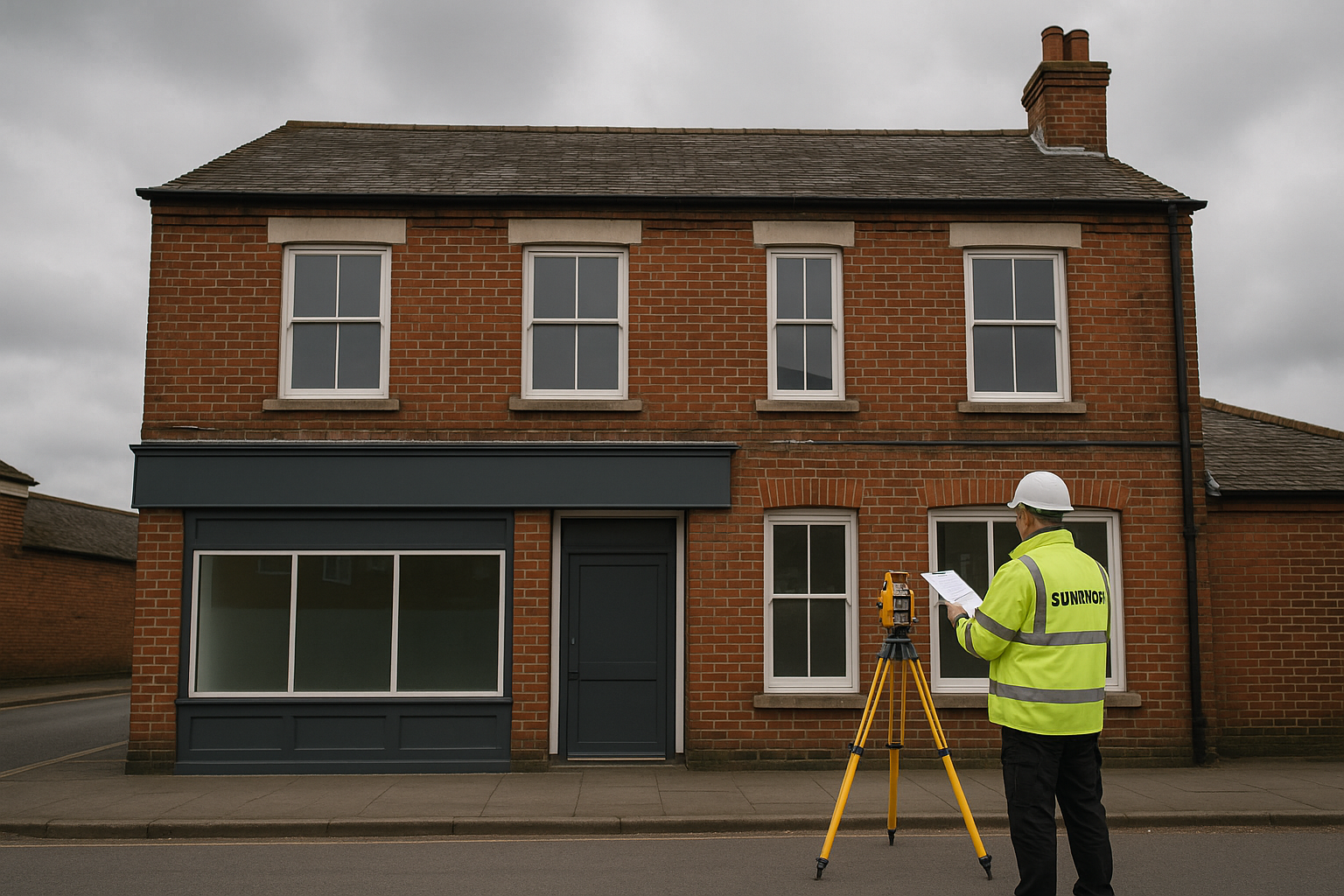
If you are being assessed, the quality of the history you provide matters. A vague statement such as I worked in old buildings is less useful than a clear account of the work you did and the materials you may have disturbed.
Common tests
- Chest X-ray: may show pleural plaques, pleural thickening or more advanced fibrosis
- CT scan: gives more detailed imaging and can detect subtler changes
- Pulmonary function tests: assess how well the lungs are working
- Bronchoscopy: may be used in some cases to examine the airways and collect samples
- Biopsy: sometimes needed to confirm mesothelioma or lung cancer
What to tell your doctor
If asbestos exposure is possible, be specific. Useful details include:
- Your full job history
- Whether you worked in construction, shipbuilding, maintenance, insulation, manufacturing or demolition
- Any work in buildings built or refurbished before 2000
- Whether you drilled, cut, sanded or removed suspect materials
- Any secondary exposure from dusty work clothes brought home
- Whether you smoked, as this can affect lung cancer risk
For property managers and employers, keeping records matters. Survey reports, asbestos registers and maintenance logs may help establish whether exposure was possible and when.
Who is most at risk?
The biggest risk factor is asbestos exposure itself. Risk tends to increase with the intensity and duration of exposure, the type and condition of the material, and whether fibres were released during work.
Groups who may have had higher exposure include:
- Construction workers
- Demolition workers
- Maintenance engineers
- Electricians and plumbers
- Boiler and heating engineers
- Shipyard workers
- Industrial workers
- People carrying out DIY in older homes
Secondary exposure can also occur. Family members may have been exposed to fibres brought home on contaminated clothing.
For employers, this is a reminder to control dust risks properly, provide the right information and never assume a quick job on old materials is harmless. Small tasks can still release dangerous fibres if the material contains asbestos.
Living with asbestos-related lung conditions
Several of these lung disease names describe long-term conditions that can affect daily life significantly. Breathlessness may limit work, walking, sleep and independence.
Patients may need regular imaging, specialist review and support with symptom management. The emotional impact can be substantial too, especially where there is uncertainty around prognosis.
Practical management steps
- Attend regular respiratory follow-up appointments
- Take prescribed medication as advised
- Ask whether pulmonary rehabilitation is suitable
- Keep up with vaccinations where recommended
- Stop smoking if relevant
- Pace physical activity to manage fatigue and breathlessness
- Report any worsening symptoms promptly
For employers and property managers, the wider lesson is prevention. Good asbestos management protects workers, contractors, tenants and visitors from ever reaching this point.
Preventing exposure in buildings
The most effective way to reduce asbestos-related disease is to stop fibres being released in the first place. That means identifying asbestos before work begins and managing it properly during occupation, maintenance, refurbishment or demolition.
If you are responsible for non-domestic premises, the Control of Asbestos Regulations place a duty to manage asbestos. HSE guidance and HSG264 set out how asbestos should be surveyed, assessed and recorded.
Practical steps for dutyholders
- Assume asbestos may be present in buildings constructed or refurbished before 2000.
- Do not drill, cut, sand or otherwise disturb suspect materials.
- Arrange the right survey before any planned work.
- Keep an asbestos register up to date.
- Share asbestos information with anyone who may disturb materials.
- Review known asbestos regularly so deterioration is not missed.
- Use competent specialists for sampling, remediation and licensed work.
If the building is occupied and you need to locate and assess asbestos-containing materials during normal use, a management survey is usually the right starting point.
Where major strip-out or structural works are planned, a demolition survey is needed before work starts, because hidden materials may otherwise be disturbed without warning.
If asbestos has already been identified, a re-inspection survey helps confirm whether materials remain in good condition and whether your management plan is still suitable.
Where asbestos is damaged or cannot be left safely in place, professional asbestos removal may be necessary. This is not work for general trades or DIY attempts.
Why property records matter when lung disease names enter the conversation
When someone develops one of the lung disease names associated with asbestos, questions often follow about where exposure happened. Clear records can make a real difference.
Useful documents include survey reports, asbestos registers, contractor communication records, maintenance logs and records of remedial works. These do not replace medical evidence, but they can help clarify whether exposure was possible.
They also support compliance. If contractors arrive on site without reliable asbestos information, the risk of accidental disturbance rises sharply.
What good record keeping looks like
- Store survey reports where facilities teams and contractors can access them quickly
- Update the asbestos register after removal, repair or new findings
- Record who received asbestos information before starting work
- Keep maintenance logs that show where intrusive work took place
- Review older reports to check whether follow-up action was completed
If you oversee multiple sites, standardise this process across the portfolio. A consistent approach reduces confusion and makes it easier to demonstrate that asbestos risks are being managed properly.
What to do if you suspect asbestos exposure
If you think asbestos may have been disturbed, act quickly and calmly. The priority is to stop further exposure and prevent others entering the area.
- Stop work immediately.
- Keep people away from the area.
- Do not sweep, vacuum or clean up debris yourself.
- Do not break up the material further to inspect it.
- Arrange for a competent asbestos professional to assess the situation.
- Record what happened, including the location, task and people involved.
If anyone involved later develops symptoms or seeks medical advice, those records may be useful. From a building management perspective, they also show that the incident was taken seriously and handled appropriately.
Where there is uncertainty, get specialist advice before restarting work. A short delay is far better than turning a manageable issue into a health risk and a legal problem.
Local support for property managers and dutyholders
Asbestos risk exists nationwide, but local response still matters. Fast access to surveying support can keep projects moving and reduce the chance of accidental disturbance.
If you need help in the capital, Supernova can arrange an asbestos survey London service for commercial and residential settings. For projects in the North West, our asbestos survey Manchester team can support planned works and urgent concerns. In the Midlands, our asbestos survey Birmingham service helps dutyholders manage asbestos safely across a wide range of property types.
The right support at the right time can prevent exposure, avoid disruption and keep your legal duties on track.
Frequently Asked Questions
What are the main lung disease names linked to asbestos?
The main lung disease names linked to asbestos are asbestosis, mesothelioma, asbestos-related lung cancer, pleural plaques and diffuse pleural thickening. Some affect the lung tissue, while others affect the pleura, which is the lining around the lungs.
Can one-off asbestos exposure cause lung disease?
Risk depends on factors such as how much fibre was released, how long the exposure lasted and the type of asbestos-containing material involved. Not every one-off exposure leads to disease, but any suspected exposure should be taken seriously and recorded properly.
How long does it take for asbestos-related symptoms to appear?
Symptoms often take many years, and sometimes decades, to develop. That long latency period is one reason people may not connect current breathing problems with work carried out long ago.
What should I do if I think asbestos is present in a building?
Do not disturb the material. Arrange a suitable asbestos survey, check your existing asbestos register and make sure contractors do not start work until the risk has been assessed.
When should asbestos be removed rather than managed?
If asbestos-containing materials are damaged, deteriorating or likely to be disturbed by planned work, removal may be the safest option. The decision should be based on survey findings, material condition, location and the likelihood of disturbance.
If you need clear advice on asbestos risk, surveys or removal, Supernova Asbestos Surveys can help. We provide expert surveying, re-inspection and asbestos management support across the UK. Call 020 4586 0680 or visit asbestos-surveys.org.uk to book the right service for your property.