One careless scrape on an old ceiling tile, soffit or service riser can turn a simple check into an exposure problem. An asbestos test kit can be useful in the right setting, but it is not a magic detector and it is never a substitute for a survey where the risk, the building type or legal duties demand more than a single sample.
If you manage property, oversee maintenance or are planning works in a building built or refurbished before 2000, guessing is the expensive option. The real question is when an asbestos test kit is a sensible first step, how many samples you actually need, what extras are worth paying for, and when to stop and bring in a competent surveyor.
What an asbestos test kit actually does
An asbestos test kit is a sampling pack. It helps you collect a small piece of suspect material, package it correctly and send it to a laboratory for analysis.
The laboratory does the testing. The kit only supports the sampling and submission process, which is why buyers should be cautious about any product description that makes it sound like an instant on-site answer.
In practical terms, most kits involve three stages:
- Taking a small sample from a suspect material
- Sealing and labelling that sample correctly
- Sending it for laboratory analysis and receiving a result
If you need a ready-to-order asbestos testing kit, check exactly what is included before you buy. Some packs cover analysis only, while others include protective equipment, return packaging or optional upgrades.
Why asbestos testing matters before work starts
Asbestos-containing materials are still found in many UK properties. Common examples include textured coatings, cement sheets, floor tiles, insulation board, pipe lagging, soffits, panels and service duct materials.
The danger appears when fibres are released. Drilling, cutting, sanding, snapping or poor sampling can disturb the material and create airborne fibres that are not visible to the naked eye.
For dutyholders in non-domestic premises, the Control of Asbestos Regulations place a duty to manage asbestos. That means identifying likely asbestos-containing materials, assessing their condition, keeping records and making sure anyone liable to disturb them has the right information.
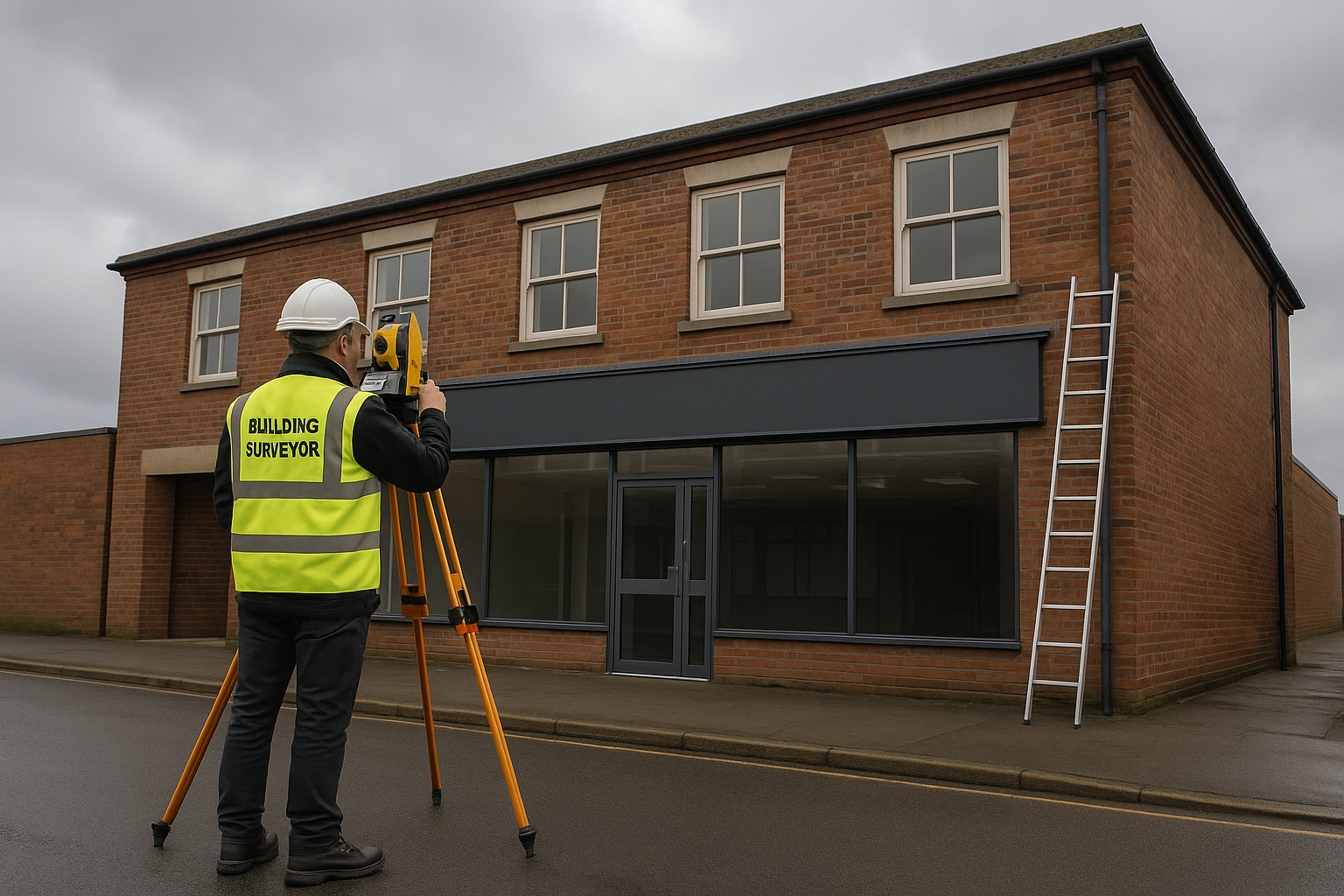
For occupied commercial premises, a DIY sample is rarely enough on its own. If you need to locate and assess asbestos during normal occupation, a management survey is usually the correct starting point, and survey work should align with HSG264 and current HSE guidance.
If refurbishment, demolition or intrusive maintenance is planned, isolated sampling may leave too many gaps. In those situations, professional asbestos testing and the right survey strategy give you far more useful information than a few disconnected lab results.
Who should use an asbestos test kit, and who should not
An asbestos test kit can suit a limited number of situations. It is usually most appropriate where the material is accessible, in good condition, low risk to sample and the person taking the sample can follow controls properly.
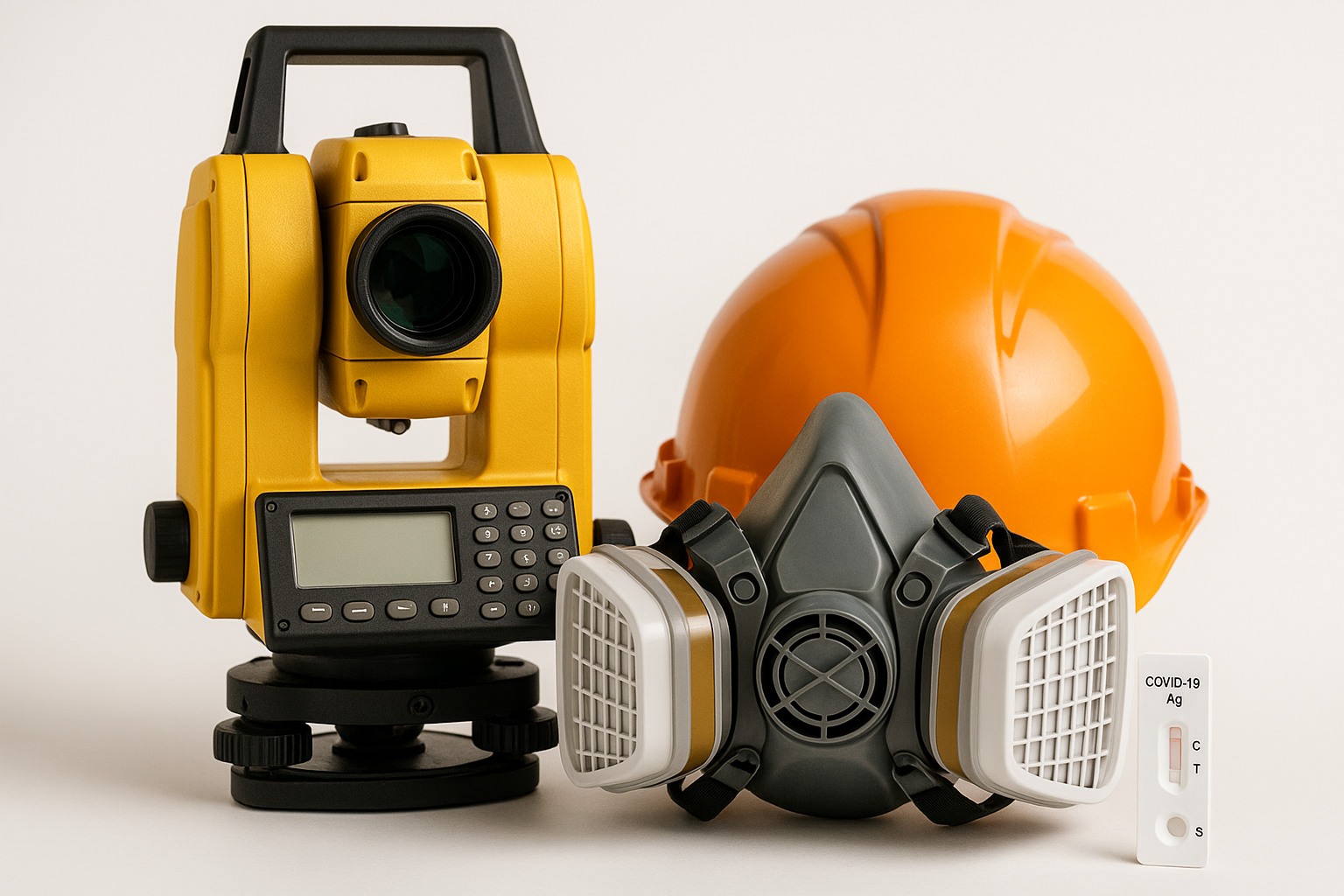
It is not suitable for every material, every building or every client. A cheap kit does not reduce the hazard of a poor sampling decision.
When an asbestos test kit may be reasonable
- A single suspect floor tile in good condition
- A small area of textured coating with easy access
- An intact cement sheet or garage panel
- A minor domestic query where the area can be isolated during sampling
- A situation where you understand and can use PPE and RPE correctly
When to stop and call a professional
- Pipe lagging, sprayed coatings or loose insulation
- Damaged asbestos insulation board
- Debris already present in the area
- Multiple suspect materials across a building
- Commercial premises with compliance duties
- Refurbishment or demolition planning
- Hard-to-reach areas such as risers, ceiling voids and plant rooms
- Any case where you cannot control dust or isolate the area properly
If there is any doubt, do not sample. Book professional asbestos testing instead.
1. Asbestos Testing Kit – Sample Analysis Only
This is the most stripped-back version of an asbestos test kit. It usually provides what you need to submit a sample to a lab, but not necessarily what you need to take that sample safely.
A sample-analysis-only pack often includes:
- Sample bags
- Labels or submission paperwork
- Basic instructions
- Return packaging
- Sometimes disposable gloves
This option can look cost-effective, but it can also be misleading for first-time buyers. If you do not already have suitable PPE and RPE, a basic asbestos test kit may leave out the most important controls.
It is usually best suited to:
- Experienced users who already understand safe sampling
- People who already have correct PPE and RPE
- Clients who have had a sample taken professionally and only need laboratory confirmation
If you already have a safely taken sample and just need the lab result, sample analysis may be the simplest route.
Before choosing this format, ask one practical question: do you actually have everything needed to take the sample without increasing risk? If the answer is no, move to a fuller pack or book a professional service.
2. Asbestos Testing Kit – PPE and RPE Included
For most non-specialist users, this is the more sensible type of asbestos test kit. It combines the submission materials with basic protective equipment for controlled sampling.
A better-equipped kit in this category may include:
- FFP3 respirator
- Disposable gloves
- Disposable coveralls
- Eye protection
- Sample bags and labels
- Submission forms
- Return envelope or postal pack
This does not make DIY sampling risk-free. It simply means the asbestos test kit is better aligned with the real task.
When you compare any testing kit, check whether the respirator is clearly stated as FFP3 and whether the coveralls are disposable and suitable for contamination control. Vague wording is a warning sign.
If the material is fragile, damaged or friable, even a better-equipped pack may still be the wrong choice. PPE reduces risk, but it does not remove it.
3. Asbestos Testing Kit – Additional Tests
Some suppliers offer an asbestos test kit with additional tests or optional upgrades. The wording sounds useful, but you need to read it carefully.
In many cases, “additional tests” means one of the following:
- Extra sample slots
- Priority turnaround
- Testing of more than one material
- Related laboratory services
It does not automatically mean a broader inspection, a site visit or a compliant asbestos survey. That distinction matters, especially for landlords, facilities teams and contractors who need reliable scope before works begin.
Before ordering, check these points:
- How many samples are included in the price?
- Does the fee cover one material or several?
- Is faster turnaround extra?
- Will the report identify the asbestos type if detected?
- Is postage included both ways?
An asbestos test kit with additional tests can be useful if you have a few clearly separate materials to check and you can sample them safely. Once the number of suspect materials starts to grow, a survey is often more efficient and more useful.
4. PPE and RPE Kit
This is one of the most misunderstood parts of buying an asbestos test kit. Some people already have access to laboratory analysis and only need protective equipment. Others buy a low-cost kit and assume the included mask is enough.
Both situations need care. A standalone PPE and RPE kit can help, but only if the equipment is suitable for asbestos-related sampling.
What PPE and RPE mean
PPE protects your skin, clothing and eyes. RPE protects your lungs, and for asbestos that is the critical part.
If the respirator is not suitable, or it does not fit correctly, the rest of the pack will not compensate for that weakness.
Popular Essentials
When comparing products, these are the popular essentials worth looking for in an asbestos test kit or separate PPE and RPE pack:
- FFP3 respirator as the minimum level for asbestos-related sampling tasks
- Disposable Type 5/6 coveralls to reduce contamination of clothing
- Disposable gloves suitable for the task
- Eye protection where debris or flaking material may be an issue
- Waste bags for used PPE after sampling
A basic nuisance dust mask is not suitable. If the respirator is not correctly rated, or it does not seal properly to the face, it should not be relied on.
Fit matters as much as rating
An FFP3 mask only works properly if it fits the wearer. Facial hair, poor adjustment and the wrong mask shape can sharply reduce protection.
If you cannot achieve a proper seal, using an asbestos test kit becomes much harder to justify. At that point, the safer option is usually to stop and arrange professional help.
What to avoid
- Basic paper dust masks
- Reusing contaminated disposable respirators
- Sampling in normal work clothes
- Leaving used PPE unbagged
- Assuming gloves alone make the task safe
How many samples?
“How many samples?” is one of the most common questions people ask before ordering an asbestos test kit. The honest answer is that it depends on the material, the extent of the area and what decision you need to make afterwards.
One sample only tells you about one piece of one material from one location. It does not automatically prove that every similar-looking material elsewhere in the building is the same.
General rule of thumb
- One sample: one small, clearly defined suspect material
- Two to three samples: where the same material appears over a wider area and consistency is uncertain
- Multiple samples: where several different suspect materials are present
Asbestos is not always evenly distributed. A negative result from one point does not always justify treating a whole room, floor or property as clear.
Practical examples
- Single vinyl floor tile in a cupboard: one representative sample may be enough
- Large textured ceiling across several rooms: more than one sample may be needed
- Garage roof, soffits and flue pipe: these are different materials and should be treated separately
- Office building with ceiling tiles, riser boards and service insulation: do not rely on an asbestos test kit alone; commission a survey
If the number of samples starts increasing, professional inspection often becomes better value. You get context, material assessment, location records and management advice, not just isolated lab results.
How to use an asbestos test kit more safely
If you decide a DIY sample is appropriate, the process needs to be controlled from start to finish. Sampling should be minimal, deliberate and planned.
Before you start
- Keep other people out of the area
- Turn off fans or ventilation that may move fibres
- Prepare bags, labels and tools in advance
- Put on PPE and RPE before touching the material
- Read the instructions fully before opening the pack
During sampling
- Dampen the surface lightly where appropriate to reduce dust release
- Take the smallest sample needed for analysis
- Avoid drilling, snapping or breaking more material than necessary
- Place the sample straight into the inner bag and seal it
- Wipe or bag tools as instructed
- Seal the outer bag and label it clearly
After sampling
- Seal any exposed edge where appropriate
- Remove PPE carefully to avoid spreading contamination
- Bag used disposable items as directed
- Wash hands thoroughly
- Send the sample exactly as the supplier instructs
Never vacuum suspect asbestos debris with a normal domestic vacuum. Never dry sweep dust. If the material starts crumbling or the sample does not go to plan, stop immediately and get professional advice.
5. Water Absorption Test
You may see a water absorption test mentioned alongside an asbestos test kit. This can confuse buyers because it is not the same thing as identifying whether asbestos is present.
A water absorption test is generally used to help classify certain asbestos-containing materials by looking at how much water they absorb. That can be relevant in some technical and removal contexts, particularly when assessing product type and how a material may be treated under the rules applying to different forms of work.
For most domestic buyers and many routine commercial enquiries, it is not the first service you need. If your main question is simply “does this material contain asbestos?”, standard laboratory analysis is the starting point.
Where a water absorption test may be relevant
- When a specialist contractor or consultant needs more technical classification detail
- When a material needs further assessment beyond basic presence or absence
- When project planning requires more precise information about the product
Where it is not a substitute
- It does not replace asbestos identification
- It does not replace a survey
- It does not make a DIY sample safer
- It does not tell you whether a whole building is clear
If a supplier offers a water absorption test as an add-on, ask why you need it and what decision it will help you make. If the answer is vague, you probably do not need that extra cost.
Item added to your cart: what to check before you pay
That small “item added to your cart” message can make an asbestos test kit feel like any other online purchase. It is not. Before checkout, pause and confirm what you are actually buying.
The most common mistake is assuming every pack includes the same level of service. They do not.
Check the product description for these details
- How many samples are included
- Whether analysis is included or charged separately
- Whether PPE and RPE are included
- Whether return postage is included
- Expected turnaround times
- Whether the report confirms asbestos type as well as presence
If any of that information is missing, ask before ordering. A low headline price can quickly become poor value if you need to add postage, extra samples, protective equipment and faster processing.
Additional information buyers should look for
The additional information section on a product page is often where the useful details hide. Many people skip it, then discover too late that the service is narrower than expected.
Before buying an asbestos test kit, look for these points in the additional information:
- Limits on the number of samples
- Any excluded materials or high-risk products
- Instructions for packaging and posting
- Whether damaged or friable materials should not be sampled by the customer
- Whether support is available if you are unsure what to do
A clear product page should tell you exactly what happens after the lab receives your sample. If it does not, treat that as a warning sign rather than a minor omission.
Reviews: what they can tell you, and what they cannot
Reviews can be useful when you are comparing an asbestos test kit, but they need to be read properly. A five-star score does not automatically mean the product is suitable for your material or your level of experience.
Look for reviews that mention practical details such as:
- Clear instructions
- Fast turnaround
- Good customer support
- Accurate packaging contents
- Easy submission process
Be more cautious with reviews that only say “arrived quickly” or “great service” without saying whether the kit contents matched the description. Delivery speed matters, but clarity and suitability matter more.
Also remember that reviews cannot confirm whether a DIY sample was the right decision in the first place. That judgement still depends on the material, the condition and the setting.
Help and Information
Good suppliers do more than sell an asbestos test kit. They provide help and information that allows buyers to decide whether they should sample at all.
Useful help and information should explain:
- What the kit is for
- What the kit does not do
- Which materials should not be sampled by untrained people
- How to package samples safely
- When a survey is more appropriate than a kit
If the website only pushes a sale and gives no meaningful safety guidance, that is not a strength. It is a gap.
When help and information should lead you away from DIY
Sometimes the best advice is not to buy. If you are dealing with insulation board, lagging, sprayed coatings, debris, damaged materials or a commercial compliance issue, a proper survey or site visit is usually the right route.
For example, if you manage premises in the capital and need building-wide clarity rather than one-off samples, an asbestos survey London service is a more reliable starting point than a DIY pack.
If your site is in the North West and multiple materials are involved, arranging an asbestos survey Manchester service will usually save time and reduce uncertainty.
For Midlands properties with maintenance or refurbishment planning, a professional asbestos survey Birmingham service provides the context a single lab result cannot.
Popular Essentials when comparing kits and services
Whether you are buying an asbestos test kit or weighing up professional support, a few essentials separate a useful option from a false economy.
- Clear description: you should know exactly what is included
- Suitable PPE and RPE: especially if the kit is aimed at non-specialists
- Transparent sample limits: no hidden assumptions about quantity
- Straightforward instructions: written for real users, not laboratory staff
- Reliable analysis process: with clear reporting and expected turnaround
- Honest scope: no suggestion that a kit replaces a survey where it does not
If a product or service fails on any of those basics, keep looking.
The USA’s Best Rated on Trustpilot: why this should not drive a UK asbestos decision
You may come across marketing lines such as “The USA’s Best Rated on Trustpilot” when researching asbestos sampling products online. That kind of claim might be useful for general e-commerce confidence, but it should not be the reason you choose an asbestos test kit in the UK.
UK asbestos decisions need to reflect UK materials, UK building types and UK legal duties. The relevant framework here is the Control of Asbestos Regulations, supported by HSG264 for survey standards and current HSE guidance for safe practice.
When comparing providers, focus on practical UK questions instead:
- Does the service explain when a survey is needed?
- Does it distinguish between low-risk sampling and high-risk materials?
- Does it give clear instructions for packaging and submission?
- Does it support property managers, landlords and contractors with realistic advice?
A strong review profile is useful. It is just not a substitute for UK competence and clear scope.
When a survey is better than an asbestos test kit
An asbestos test kit gives you a result for one sample. A survey gives you context, location records, material assessment and practical recommendations.
That difference matters if you are responsible for a workplace, communal area, school, retail unit, industrial site or refurbishment project.
A survey is usually the better option when:
- You have more than one suspect material
- You need a register or management plan input
- Contractors will be working on site
- The building is occupied and ongoing management is required
- Access is difficult or intrusive inspection is needed
- You need evidence that aligns with recognised survey practice
For many dutyholders, the real cost is not the kit itself. It is the delay, confusion or unsafe assumption that follows from using the wrong approach at the start.
Practical buying advice for property managers and landlords
If you are buying an asbestos test kit for a managed property, keep the decision simple. Start with the building use, the likely material type and the reason you need the answer.
- Define the purpose. Are you checking one material, or trying to manage a whole property?
- Assess the material condition. If it is damaged, friable or in a high-risk location, do not sample it yourself.
- Count the suspect materials. If there are several, move straight to a survey discussion.
- Check legal duties. In non-domestic settings, duty to manage obligations often make isolated DIY sampling inadequate.
- Buy only what matches the task. Do not pay for add-ons you do not need, and do not underbuy on PPE.
That approach avoids the two biggest mistakes: overconfidence in a simple kit, and underestimating how much information is needed for safe property management.
Frequently Asked Questions
Can an asbestos test kit tell me if my whole property is asbestos-free?
No. An asbestos test kit only tells you whether the specific sample submitted contains asbestos. It does not confirm that other materials in the property are free from asbestos.
Is an asbestos test kit suitable for commercial buildings?
Sometimes for a very limited, low-risk query, but often not as a standalone solution. Commercial premises usually require a broader approach because dutyholders must manage asbestos in line with the Control of Asbestos Regulations, HSG264 and HSE guidance.
How many samples should I take with an asbestos test kit?
It depends on how many different suspect materials are present and how consistent they are across the area. One sample may be enough for one small, clearly defined material, but multiple materials usually need multiple samples or a survey.
Does PPE and RPE included mean DIY sampling is safe?
No. PPE and RPE reduce risk, but they do not remove it. High-risk, damaged or friable materials should not be sampled by untrained people, even if an asbestos test kit includes protective equipment.
Should I choose a kit with additional tests or book a survey?
If you only need one or two low-risk samples analysed, a kit may be reasonable. If several materials are involved, or you need building-wide clarity, a professional survey is usually more useful and often better value overall.
If you are unsure whether an asbestos test kit is the right option, speak to Supernova Asbestos Surveys before you buy. We provide expert asbestos surveys, testing and sampling support across the UK. Call 020 4586 0680 or visit asbestos-surveys.org.uk to arrange the right service for your property.