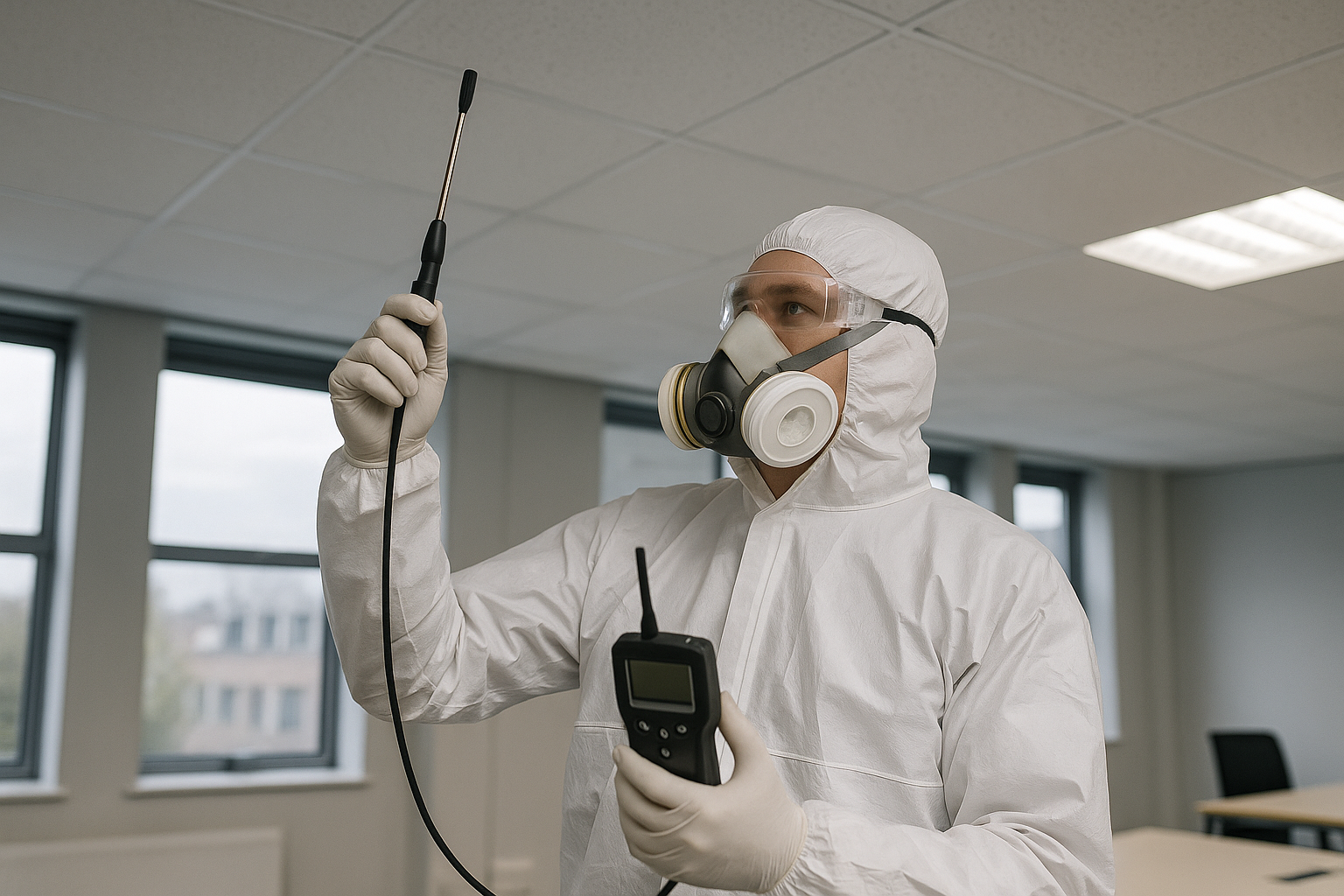
Buying, managing or renovating an older home without a residential asbestos survey can leave you making expensive decisions with incomplete information. If asbestos-containing materials are present and disturbed, a straightforward job can turn into a health risk, a legal headache and a stalled project within hours.
That is why a residential asbestos survey matters. It tells you what is likely to be present, where it is, what condition it is in and what should happen next, so you can plan work properly and avoid nasty surprises once contractors are on site.
Why a residential asbestos survey matters
Asbestos was used widely in UK homes and residential buildings because it was durable, heat resistant and a good insulator. It can still be found in many properties built or refurbished before asbestos use was fully prohibited.
The risk comes when asbestos-containing materials are damaged or disturbed. Drilling, sanding, cutting, stripping out or breaking materials can release fibres into the air, creating a risk for occupants, tradespeople, maintenance staff and anyone nearby.
A residential asbestos survey helps you:
- Identify suspected or confirmed asbestos-containing materials
- Understand the condition of those materials
- Decide whether they can be managed in place or need action
- Plan maintenance, refurbishment or demolition safely
- Avoid delays, disputes and unexpected costs once work starts
For owner-occupiers, there is no blanket rule that every private house must have a survey. But if work is planned, or if you are responsible for common parts in a residential building, a residential asbestos survey is often the most sensible first step.
Under the Control of Asbestos Regulations, dutyholders for non-domestic premises and the common parts of domestic premises must identify and manage asbestos risk. HSG264 and wider HSE guidance set out how asbestos surveys should be planned, carried out and reported.
What is a residential asbestos survey?
A residential asbestos survey is a structured inspection carried out by a competent asbestos surveyor to locate, as far as reasonably practicable, materials that may contain asbestos. Where needed, samples are taken and analysed by a UKAS-accredited laboratory.
The survey is not just a walk-through with a clipboard. A good report gives you practical information you can act on, including locations, material descriptions, sample results, condition details and recommendations linked to how the property is being used or what work is planned.
The right survey depends on the building and the job ahead. Choosing the wrong type can leave hidden asbestos exactly where your contractor is about to drill, cut or remove finishes.
Types of residential asbestos survey
One of the biggest points of confusion is assuming there is one survey for every scenario. There is not. A residential asbestos survey must match the way the property is occupied and the work you intend to carry out.
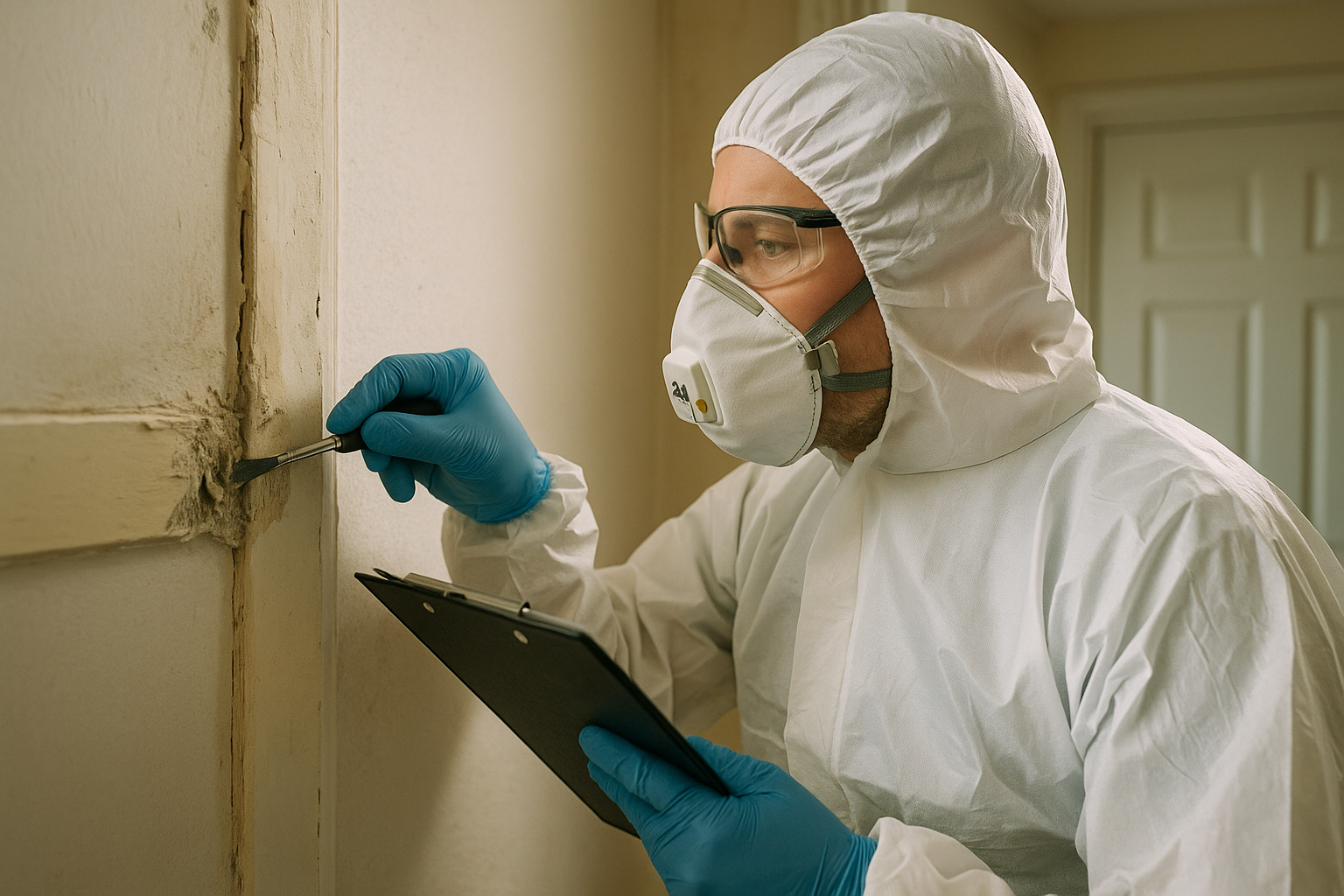
Management survey
A management survey is designed to locate, as far as reasonably practicable, asbestos-containing materials that could be damaged or disturbed during normal occupation, routine maintenance or minor works. It is usually the right choice when a property remains occupied and the aim is to manage asbestos safely in place.
It is not intended to uncover every hidden material behind walls, under floors or inside the building fabric. If the planned work is intrusive, this survey alone is not enough.
A typical management survey includes:
- Inspection of accessible areas
- Identification of suspect materials
- Sampling where appropriate
- Assessment of material condition
- Recommendations for management, monitoring or remedial action
If you need a formal management survey, the report should be clear enough to brief contractors, inform maintenance plans and support your asbestos register where required.
Refurbishment survey
A refurbishment survey is needed before intrusive work that will disturb the building fabric. That includes jobs such as replacing kitchens, rewiring, replumbing, removing ceilings, knocking through walls or converting lofts and garages.
This type of residential asbestos survey is intentionally intrusive. Floors, walls, ceilings, boxing and service voids may need to be opened up so hidden asbestos can be found before trades start work.
If you are planning alteration works to part of a property, a targeted refurbishment survey should cover the exact work area rather than relying on a general inspection.
Demolition survey
If a building or structure is due to be taken down, a demolition survey is the correct route. This is the most intrusive type of survey because it aims to identify all asbestos-containing materials, as far as reasonably practicable, before demolition begins.
That can apply to whole houses, garages, outbuildings, plant rooms and redundant structures within residential sites. If demolition is planned, book a proper demolition survey before any strip-out or structural work starts.
When you need a residential asbestos survey
Not every property needs the same level of investigation. The trigger is usually planned work, management responsibility or uncertainty about suspect materials in an older building.
You should consider a residential asbestos survey when:
- You are buying an older home and want clarity before committing
- You are a landlord responsible for common parts in a block of flats
- You manage residential portfolios, estates or mixed-use buildings
- You are planning refurbishment or structural alterations
- You need to brief maintenance contractors properly
- You are taking over a building with poor or missing asbestos records
- You intend to demolish a garage, extension or whole structure
Common parts can include corridors, stairwells, lift areas, entrance lobbies, meter cupboards, plant rooms, bin stores, service risers and external stores. Even where the flats themselves are domestic premises, these shared areas can still fall under duty to manage requirements.
Practical advice: define the scope of works before you book the survey. Tell the surveyor exactly which rooms, structures or service routes will be affected. A vague instruction often leads to a vague result.
Residential asbestos survey for homeowners
Homeowners are often told asbestos is only a problem in industrial buildings. That is wrong. A residential asbestos survey regularly identifies suspect materials in ordinary houses, flats, maisonettes and converted properties.
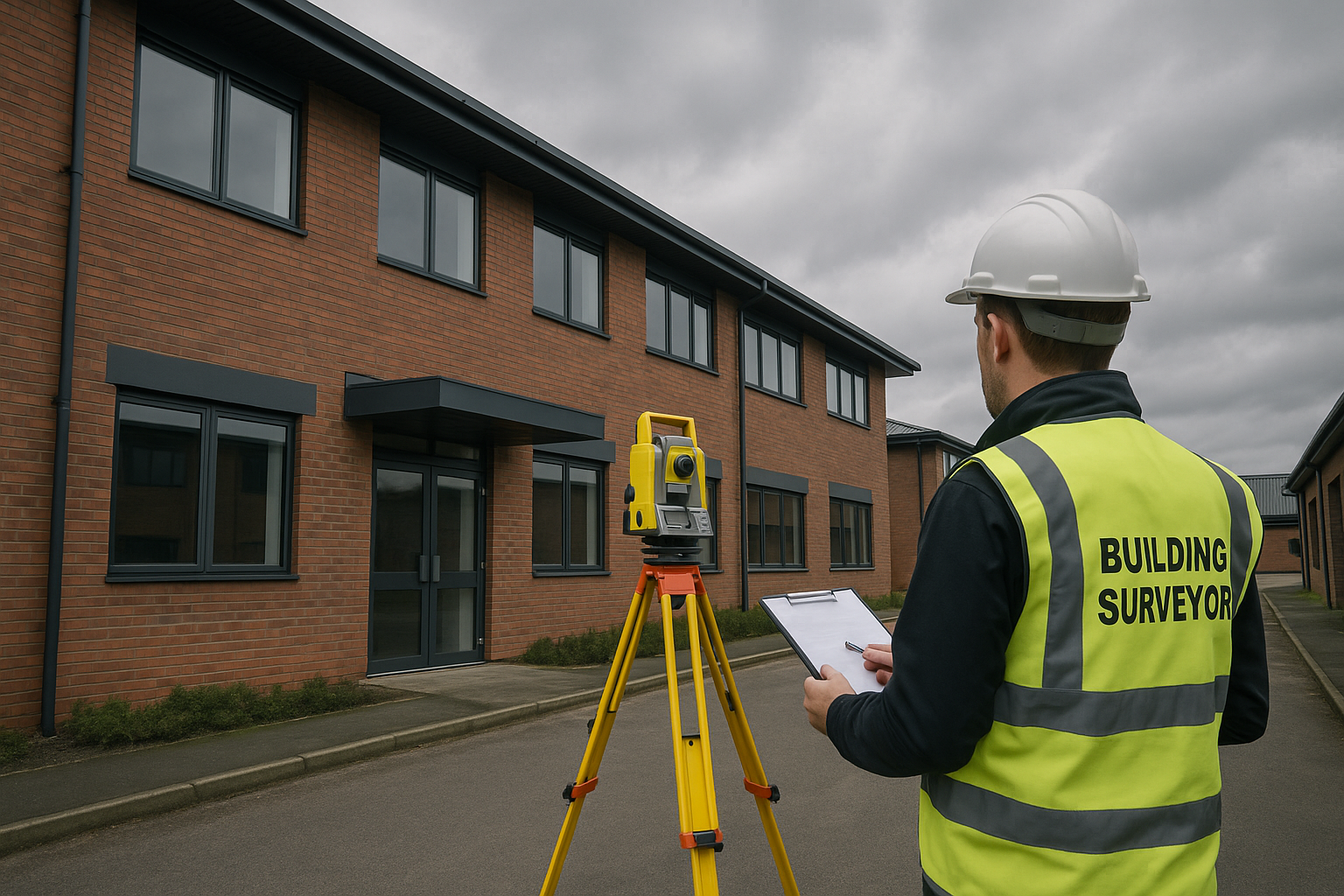
If you are living in the property and not planning major work, asbestos may be safely managed in place if it is in good condition and unlikely to be disturbed. The problem usually starts when DIY or contractors disturb hidden materials without checking first.
Homeowners should think carefully about a survey before:
- Replacing a kitchen or bathroom
- Rewiring or replumbing
- Installing a boiler or heating system
- Converting a loft, cellar or garage
- Removing ceilings, partitions or floor finishes
- Knocking through walls
If the property is older and you are unsure what is in the fabric, a residential asbestos survey is far cheaper than stopping work halfway through a refurbishment because suspect materials have been uncovered unexpectedly.
Residential asbestos survey for landlords and block managers
Landlords, managing agents and block managers need a more structured approach. If you are responsible for common parts, you may have legal duties to identify and manage asbestos risk under the Control of Asbestos Regulations.
A residential asbestos survey supports day-to-day management by giving you a record of what has been identified, what condition it is in and what action is recommended. That is especially useful when multiple contractors, caretakers and maintenance teams work across the same building.
For occupied buildings, the survey often forms the basis of an asbestos register and management plan. Where asbestos has already been identified, a periodic re-inspection survey helps confirm whether materials remain in a stable condition or whether the risk has changed.
Practical steps for landlords and managers:
- Keep survey reports accessible to staff and contractors
- Update records after removal, encapsulation or building alterations
- Do not assume old reports still reflect current site conditions
- Arrange re-inspection where known materials remain in place
- Make sure contractors understand the limits of any survey before work begins
Where asbestos is commonly found in homes
Many people imagine asbestos as something obvious and industrial. In reality, a residential asbestos survey often finds suspect materials in very ordinary locations.
Common examples include:
- Textured coatings on ceilings and walls
- Asbestos insulating board in partitions, soffits, cupboards and risers
- Vinyl floor tiles and bitumen adhesive
- Pipe insulation and boiler-related materials
- Cement roof sheets, flues, gutters and downpipes
- Ceiling tiles and backing boards
- Bath panels and airing cupboard linings
- Fire doors and service panels
- Garage and shed roofs
- External soffits and undercloak boards
Not every old material contains asbestos. Equally, not every asbestos-containing material looks suspicious. That is why visual guesswork is not enough.
Textured coatings and Artex ceilings
Textured coatings are one of the most common concerns in domestic properties. Some contain asbestos, some do not, and you cannot confirm the difference by sight alone.
If the coating is intact and left undisturbed, the immediate risk may be low. But scraping, sanding, drilling or removing it during renovation can change the situation quickly. A residential asbestos survey or targeted sampling gives you evidence before work starts.
Garages, outbuildings and cement products
Garages and outbuildings are another regular source of concern. Corrugated cement sheets, wall panels, soffits and rainwater goods may contain asbestos.
These materials are often weathered rather than heavily damaged, but age, breakage and planned demolition can all affect how they should be handled. If a garage is being removed, a demolition-level inspection is usually the right approach.
Survey or testing: what do you actually need?
Sometimes you do not need a full residential asbestos survey straight away. If there is just one suspect material and you only need to know whether it contains asbestos, sampling may be the best starting point.
Targeted asbestos testing can confirm whether a specific material contains asbestos. That is useful for things like a textured ceiling, a floor tile, a cement panel or a single board in a service cupboard.
If you need a broader picture across the property, a full survey is usually the better option. It gives context, condition information and recommendations rather than a single yes-or-no sample result.
For clients comparing options, our page on asbestos testing explains when sampling is suitable and when a wider survey is the safer route.
As a rule:
- Choose testing if you need confirmation on one or two known suspect materials
- Choose a residential asbestos survey if you need to understand the wider risk in a property
- Choose a refurbishment or demolition survey if works will disturb hidden parts of the building
What happens during a residential asbestos survey
If you have never booked one before, the process is usually simpler than people expect. A good surveying company should explain the scope clearly before the visit, including what access is needed and whether the inspection will be intrusive.
The process typically involves:
- Scoping the job – understanding the property, planned works and areas to inspect
- Site inspection – examining accessible areas and identifying suspect materials
- Sampling – taking samples where needed for laboratory analysis
- Assessment – recording condition, accessibility and likelihood of disturbance
- Reporting – issuing findings, photographs, sample results and recommendations
For refurbishment and demolition work, the survey may involve opening up building elements. That can mean lifting floor coverings, accessing voids or breaking into boxed-in areas, depending on what is required and what access has been agreed.
Practical advice: make sure lofts, basements, garages, meter cupboards and locked rooms are accessible on the day. Delayed access often means delayed reporting.
What you should receive in the report
A residential asbestos survey report should help you act, not leave you second-guessing what the findings mean. The document needs to be clear enough for property owners, managers and contractors to use properly.
A useful report may include:
- Room-by-room or area-by-area findings
- Locations of suspected or confirmed asbestos-containing materials
- Photographs
- Sample references and laboratory results
- Material assessments where appropriate
- Recommendations for management, encapsulation, further inspection or removal
- Advice linked to planned works
If the report is vague, generic or disconnected from the actual works, ask questions before anyone starts on site. A poor report can create just as much confusion as having no report at all.
Residential asbestos survey for home buyers
Buying an older property without checking for asbestos can leave you negotiating after the event, when your leverage has gone. A residential asbestos survey gives buyers a clearer picture before they commit to the property and before they commit to refurbishment costs.
Standard building surveys and mortgage valuations are not asbestos surveys. They may flag possible asbestos, but they do not usually confirm what is present, what condition it is in or what that means for your plans.
A buyer should consider a survey when:
- The property was built or altered during the period asbestos was commonly used
- You can see textured coatings, old floor tiles, cement sheets or boxed-in services
- The house has not been updated for many years
- You intend to renovate soon after purchase
- You want stronger information for price negotiation
Practical advice for buyers:
- If you only need clarity on one obvious suspect material, targeted testing may be enough initially
- If you intend to strip out kitchens, bathrooms, ceilings or walls, plan for a more intrusive survey before works begin
- Do not assume a seller’s old paperwork still reflects the current condition of the property
How to choose the right surveyor
Not all providers offer the same level of clarity or care. A residential asbestos survey should be carried out by a competent surveyor following HSG264, with sampling analysed by a suitable laboratory and findings reported in a way that supports real decisions.
When choosing a surveyor, ask:
- Which survey type is actually appropriate for my property and planned works?
- Will the survey follow HSG264?
- Will samples be analysed by a UKAS-accredited laboratory?
- Will the report include practical recommendations rather than generic warnings?
- Can the survey be scoped to specific work areas if needed?
Independent advice matters. You need clear evidence about what is there and what should happen next, without being pushed towards unnecessary remedial work.
Local residential asbestos survey coverage
Residential portfolios are rarely limited to one postcode. Whether you are managing a single property or multiple sites, local coverage helps keep projects moving.
Supernova supports residential clients across the UK, including those looking for an asbestos survey London service, an asbestos survey Manchester appointment or an asbestos survey Birmingham booking for homes, blocks and planned works.
With more than 50,000 surveys completed nationwide, we understand how to keep the process efficient while still being thorough. That includes working with homeowners, landlords, developers, housing providers, managing agents and block managers.
Practical mistakes to avoid
Most asbestos problems in residential settings are made worse by assumptions. A few simple checks can prevent a small issue becoming a major delay.
Avoid these common mistakes:
- Assuming a management survey is enough for refurbishment work
- Letting contractors start opening up before the survey is complete
- Relying on visual guesses instead of sampling
- Forgetting garages, outbuildings and service areas
- Using old reports without checking whether the building has changed since
- Failing to share findings with contractors before work begins
If the planned work is intrusive, the survey needs to be intrusive too. That single point prevents many avoidable problems.
Why choose Supernova for a residential asbestos survey
Supernova Asbestos Surveys provides clear, independent asbestos advice for residential properties across the UK. We survey, sample and report so clients can make sound decisions on management, repair, removal, budgeting and sequencing of works.
We support:
- Homeowners
- Home buyers
- Landlords
- Managing agents
- Housing providers
- Developers
- Block and estate managers
Whether you need a one-off residential asbestos survey for a house purchase, a refurbishment survey before building works or ongoing support across common parts and residential portfolios, we can help you get the right information before risk turns into delay.
Need a residential asbestos survey? Speak to Supernova Asbestos Surveys for fast, practical advice and nationwide coverage. Call 020 4586 0680 or visit asbestos-surveys.org.uk to book the right survey for your property.
Frequently Asked Questions
Do I need a residential asbestos survey before renovating my home?
If the work will disturb the building fabric, yes, in most cases you should arrange the appropriate survey first. A management survey is not enough for intrusive works such as rewiring, removing ceilings, replacing kitchens or knocking through walls. You will usually need a refurbishment survey covering the work area.
Is a residential asbestos survey a legal requirement for private homeowners?
There is no blanket rule requiring every private homeowner to have a survey. However, if you are planning works in an older property, a residential asbestos survey is often the safest and most practical step. Legal duties are more explicit for dutyholders responsible for non-domestic premises and the common parts of domestic premises.
How long does a residential asbestos survey take?
That depends on the size of the property, the survey type and how accessible the building is. A small flat may be straightforward, while a larger house or block with outbuildings, service areas and intrusive inspection requirements will take longer. Clear access and a well-defined scope help keep the process efficient.
Can asbestos be left in place after a survey?
Yes, if the material is in good condition and unlikely to be disturbed, it may often be managed safely in place. The survey report should explain whether monitoring, encapsulation, re-inspection or removal is recommended. The right action depends on the material, its condition and your planned use of the property.
What is the difference between asbestos testing and a residential asbestos survey?
Asbestos testing usually means taking a sample from a specific suspect material to confirm whether it contains asbestos. A residential asbestos survey looks more widely at the property, records locations and condition, and provides recommendations based on occupancy or planned works. Testing answers a narrow question; a survey gives you the bigger picture.