
Breathlessness that appears years after working around lagging, insulation board, sprayed coatings or dusty plant rooms should never be brushed aside. Asbestosis testing is the medical process used to work out whether past asbestos exposure has caused permanent scarring in the lungs, and for many people that question does not arise until decades after the original contact.
For property managers and dutyholders, there is another urgent issue running alongside the medical one. If asbestos-containing materials are still present in a building, the responsibility to identify and manage them sits under the Control of Asbestos Regulations, supported by HSG264 and current HSE guidance. In practice, that means acting on symptoms quickly while also making sure nobody else is exposed through poor maintenance, refurbishment or accidental disturbance.
What is asbestosis?
Asbestosis is a chronic lung disease caused by inhaling asbestos fibres over time. Those fibres can settle deep in the lungs and trigger inflammation, which gradually leads to fibrosis, or scarring, within the lung tissue itself.
As the scarring builds, the lungs become stiffer and less able to move oxygen into the bloodstream efficiently. That is why people with asbestosis often notice worsening breathlessness, a persistent cough and reduced tolerance for physical activity.
Unlike a short-term irritation, asbestosis is irreversible. Once scarring has formed, treatment focuses on managing symptoms, slowing further decline where possible and helping the person maintain day-to-day function.
How asbestosis differs from other asbestos-related conditions
People often use the phrase asbestos-related disease as if it means one thing, but the conditions are different. Asbestosis testing is aimed specifically at identifying fibrosis in the lung tissue caused by asbestos exposure.
- Asbestosis is scarring within the lungs.
- Mesothelioma is a cancer affecting the lining of the lungs or abdomen.
- Asbestos-related lung cancer is cancer in the lung tissue.
- Pleural plaques are markers of exposure, not the same as asbestosis.
- Diffuse pleural thickening affects the lining of the lungs and can restrict breathing, but it is different from fibrosis within the lungs.
These distinctions matter. A clinician carrying out asbestosis testing is looking for a particular pattern of exposure history, symptoms, imaging findings and lung function changes rather than relying on one label for every asbestos-related problem.
Who may need asbestosis testing?
Asbestosis usually develops after heavy or prolonged exposure, most often in occupational settings. It is far less commonly linked to casual or low-level contact, although any suspected exposure history should still be discussed with a GP or respiratory specialist.
People referred for asbestosis testing often worked in trades or industries where asbestos was regularly handled, cut, stripped, drilled or disturbed before tighter controls were introduced.
Higher-risk occupations and settings
- Shipbuilding and dockyard work
- Insulation installation and removal
- Construction and demolition
- Boiler and heating work
- Power station and industrial plant maintenance
- Plumbing and electrical work in older premises
- Asbestos manufacturing, milling or mining
- Vehicle brake and clutch work
- Refurbishment work in older commercial buildings
The risk generally rises with cumulative exposure. Put simply, the more fibres inhaled over time, the greater the chance of lasting lung damage.
Can building occupants be at risk?
For most people in a well-managed building, the risk of developing asbestosis from normal occupancy is low. The greater danger comes when asbestos-containing materials are drilled, cut, broken, sanded or otherwise disturbed during maintenance, repairs, refurbishment or demolition.
That is why prevention starts with knowing what is in the building. If you manage an older non-domestic property, arranging a management survey is the practical first step to locating asbestos-containing materials so they can be assessed and managed safely.
Symptoms that may lead to asbestosis testing
Symptoms often develop slowly. Many people put them down to ageing, smoking history, poor fitness or another chest condition, which is one reason asbestosis testing may be delayed for years.
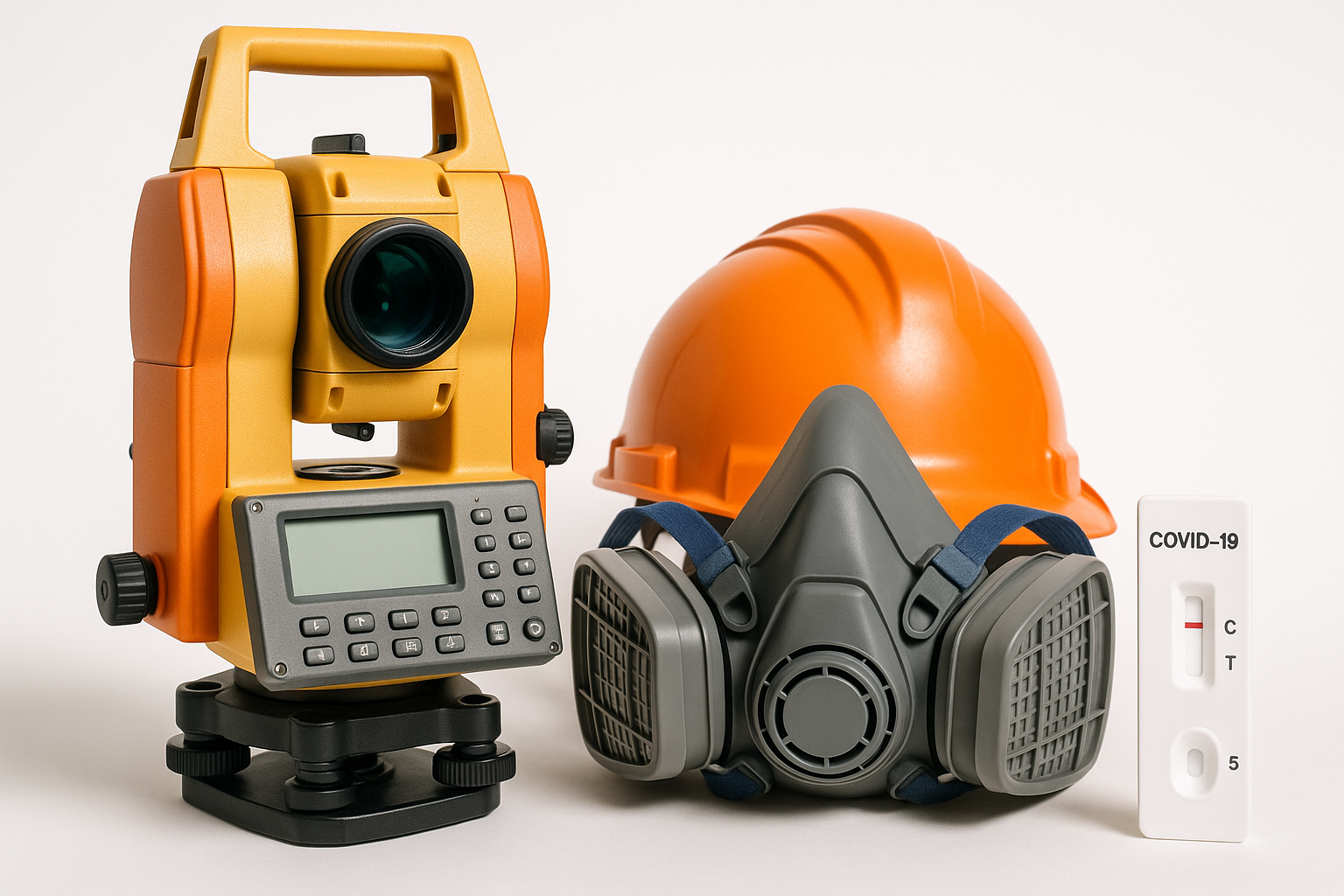
The most common symptoms include:
- Gradually worsening breathlessness
- A persistent cough, often dry
- Chest tightness or discomfort
- Fatigue
- Reduced ability to exercise or climb stairs
- Breathlessness during routine daily tasks
In more advanced cases, clinicians may also notice finger clubbing, low oxygen levels or signs of strain on the heart caused by chronic lung disease.
If you have these symptoms and any history of asbestos exposure, tell your GP clearly and directly. Be specific about:
- The jobs you did
- The sites or buildings where you worked
- The materials you handled or worked around
- Whether visible dust was present
- When the exposure was likely to have happened
- Whether protective equipment was used
That occupational history is a key part of asbestosis testing. Vague descriptions make diagnosis harder, while practical detail helps the clinician build a reliable picture.
How asbestosis testing works
There is no single standalone test that confirms every case. Asbestosis testing is built from several pieces of information taken together, with doctors looking at the whole clinical picture rather than one isolated result.
In most cases, the process includes:
- A detailed exposure and work history
- A review of symptoms
- Physical examination
- Chest imaging
- Pulmonary function tests
- Further investigations to rule out other causes of lung scarring
This matters because other interstitial lung diseases can look similar. A reliable diagnosis depends on pattern recognition, not guesswork.
Exposure history
A detailed work and exposure history is often the foundation of asbestosis testing. Clinicians may ask about every major role, whether visible dust was present, what materials were handled and whether respiratory protection was actually worn properly.
Useful details include:
- Job titles and employers
- Approximate dates or working periods
- Specific tasks, such as cutting insulation board or stripping lagging
- Whether the work was indoors, enclosed or dusty
- Whether colleagues developed asbestos-related disease
- Possible secondary exposure through contaminated work clothing
If compensation or industrial disease claims are later considered, that exposure record becomes even more important. Write down what you remember before appointments so key details are not lost.
Physical examination
During examination, a doctor will listen to the chest with a stethoscope. Fine crackling sounds at the lung bases can suggest fibrosis.
They may also look for:
- Finger clubbing
- Reduced chest expansion
- Signs of low oxygen levels
- Evidence of other respiratory or cardiac problems
These findings are not unique to asbestosis, but they help guide the next stage of asbestosis testing.
Diagnostic procedures used in asbestosis testing
Once symptoms and exposure history raise suspicion, doctors move on to formal diagnostic procedures. The exact pathway can vary, but the broad approach is consistent across respiratory practice.
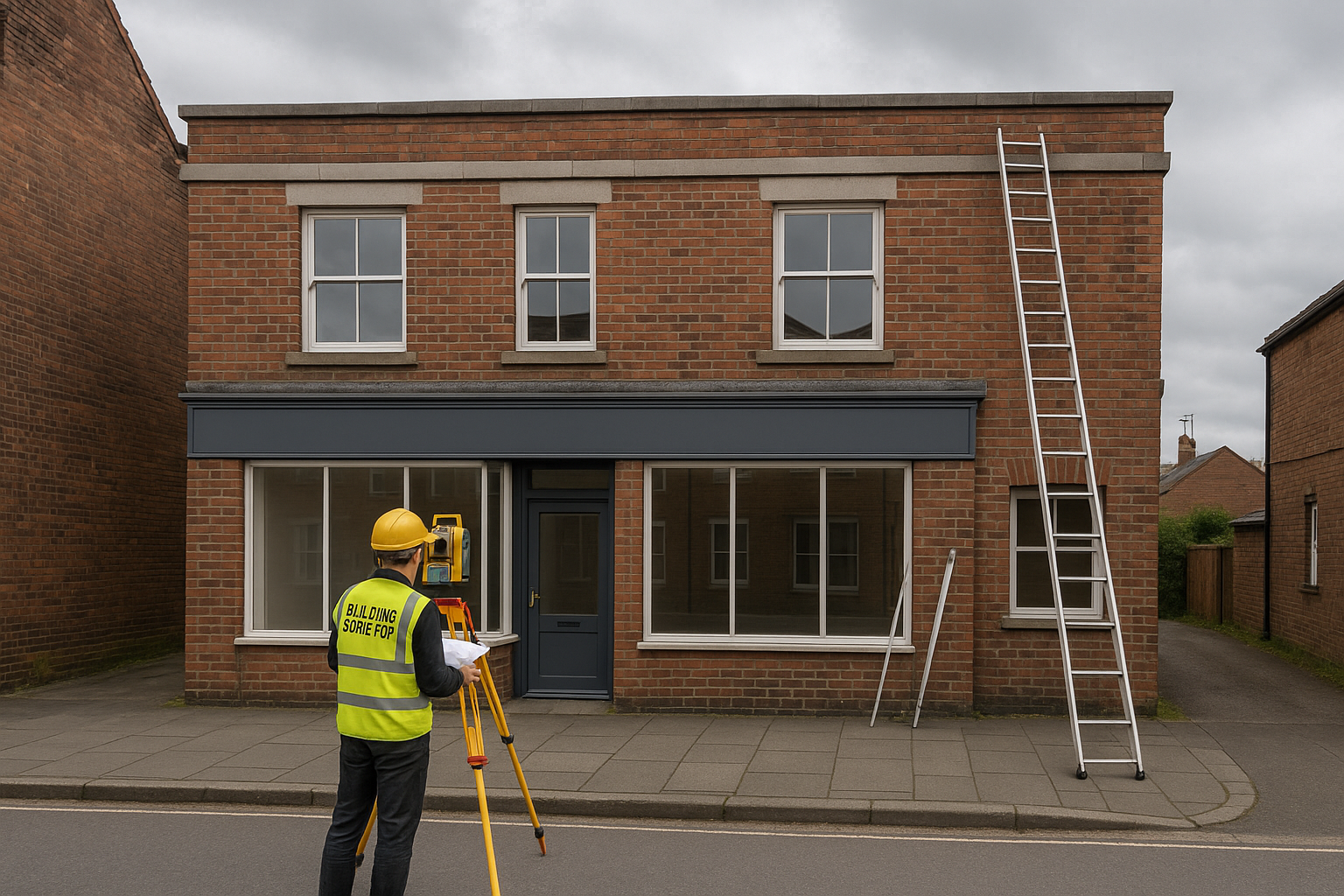
1. Chest X-ray
A chest X-ray is often the first imaging test. It can show changes linked with fibrosis and may also reveal pleural plaques or pleural thickening that support a history of asbestos exposure.
However, chest X-rays can miss subtle or early disease. A normal X-ray does not automatically rule out asbestos-related lung damage.
2. High-resolution CT scan
High-resolution CT, often called HRCT, provides a much more detailed view of the lungs than a plain X-ray. It is one of the most useful tools in asbestosis testing because it can show the pattern and extent of scarring more clearly.
HRCT may identify:
- Interstitial fibrosis
- Subpleural lines
- Parenchymal bands
- Traction bronchiectasis
- Honeycombing in more advanced disease
- Pleural plaques or diffuse pleural thickening
It can also help distinguish asbestosis from other lung conditions, although interpretation should always be made by experienced clinicians and radiologists.
3. Blood oxygen assessment
Doctors may check oxygen levels using a pulse oximeter clipped to the finger. In some cases, arterial blood gas testing is used to assess how well oxygen is moving from the lungs into the bloodstream.
4. Exercise assessment
Walking tests or exercise-based assessments can show whether oxygen levels fall during exertion. This helps measure severity and day-to-day impact rather than relying only on resting results.
5. Specialist referral
Many patients are referred to a respiratory specialist for further review. Complex cases may be discussed in a multidisciplinary setting, particularly where scan findings are borderline or there are several possible causes of fibrosis.
6. Biopsy, rarely
Lung biopsy is not routine in asbestosis testing and is only considered in selected cases where diagnosis remains uncertain. Because it is invasive, clinicians usually prefer to rely on exposure history, imaging and lung function wherever possible.
Pulmonary function tests in asbestosis testing
Pulmonary function tests are central to assessing how much the lungs have been affected. They do not prove asbestos exposure on their own, but they show how well the lungs are working and help monitor progression over time.
Spirometry
Spirometry measures how much air you can blow out and how quickly. In asbestosis, the pattern is often restrictive, meaning the total volume of air the lungs can hold is reduced.
That differs from conditions such as asthma, where airway narrowing is more prominent. The result helps the clinician understand whether breathlessness is likely to be linked to stiffened lungs.
Lung volumes
Full lung volume testing can confirm restriction more accurately than spirometry alone. Reduced total lung capacity is a common finding where fibrosis has made the lungs less flexible.
Gas transfer testing
Gas transfer tests, often reported as DLCO or transfer factor, assess how effectively oxygen passes from the lungs into the blood. This can be reduced in asbestosis because scarring interferes with gas exchange.
In practical terms, this often explains why someone feels breathless even when they are not doing very much.
Why these tests matter
Pulmonary function tests help with:
- Supporting the diagnosis
- Measuring severity
- Tracking progression
- Guiding treatment decisions
- Supporting occupational health or compensation evidence where appropriate
Repeat testing may show whether lung function is stable or deteriorating, making it an important part of ongoing asbestosis testing and follow-up.
What doctors look for when confirming asbestosis
Diagnosis usually rests on a combination of factors rather than one result. Broadly, clinicians are looking for three things.
- A credible history of significant asbestos exposure
- Evidence of interstitial lung fibrosis on imaging or examination
- No more likely alternative explanation for the findings
Other causes of lung scarring may need to be considered, including idiopathic pulmonary fibrosis, connective tissue disease, hypersensitivity pneumonitis and other occupational dust exposures. That is why specialist input is often valuable where the picture is not straightforward.
If you are undergoing asbestosis testing, expect questions that may seem repetitive. They are necessary because diagnosis depends on linking symptoms, exposure and objective findings in a defensible way.
Treatment and support after asbestosis testing
There is no cure that reverses established scarring. Once asbestosis testing has led to a diagnosis, treatment focuses on symptom relief, preserving lung function where possible, preventing complications and supporting quality of life.
Monitoring
Some people need regular follow-up with respiratory services. This may include repeat scans, oxygen checks and pulmonary function tests to monitor whether the disease is progressing.
Medicines
There is no medicine that removes asbestos fibres or reverses fibrosis caused by asbestosis. Medication may still be prescribed to manage associated issues such as chest infections, wheeze or co-existing respiratory disease.
Oxygen therapy
If oxygen levels are low, long-term oxygen therapy may be recommended. This can reduce strain on the body and improve day-to-day function in more advanced disease.
Pulmonary rehabilitation
Pulmonary rehabilitation is one of the most useful therapies for many chronic lung conditions. It usually combines supervised exercise, breathing techniques and education to help people manage breathlessness more effectively.
It does not cure asbestosis, but it can improve stamina, confidence and symptom control.
Self-management advice
- Stop smoking if you smoke
- Keep up with vaccinations recommended by your clinician
- Pace strenuous tasks and plan breaks
- Seek medical help promptly for chest infections
- Attend follow-up appointments rather than waiting for symptoms to worsen
Practical daily habits matter. Small adjustments often make living with chronic breathlessness more manageable.
Why property managers should care about asbestosis testing
If you manage older premises, asbestosis testing may sound like a purely medical issue. It is not. A suspected case of asbestos-related disease can be the first sign that historic exposure risks were not identified, recorded or controlled properly in a building portfolio.
Under the Control of Asbestos Regulations, dutyholders must take reasonable steps to find asbestos-containing materials in non-domestic premises, assess the risk and put a management plan in place. HSG264 sets out how asbestos surveys should be planned and delivered, while HSE guidance explains the practical standards expected when asbestos is present.
That means you should not wait for refurbishment work, contractor concern or a health complaint before taking action. The sensible approach is to:
- Identify whether asbestos is likely to be present
- Arrange the correct survey for the building and planned works
- Keep an up-to-date asbestos register
- Share information with contractors before work starts
- Review the condition of known materials regularly
- Act quickly if damage or disturbance is suspected
If your property is in the capital, arranging an asbestos survey London service can help you establish what is present before maintenance teams or tenants are put at risk.
For regional portfolios, the same principle applies. Whether you need an asbestos survey Manchester appointment or an asbestos survey Birmingham inspection, the key is to get reliable information before any work disturbs suspect materials.
Practical steps if you suspect exposure or asbestos in a building
When symptoms, maintenance work or damaged materials raise concerns, speed matters. Good decisions early on can protect health and reduce disruption.
If you are concerned about personal exposure
- Book a GP appointment and mention asbestos exposure clearly
- Prepare a written employment and exposure history
- Take details of symptoms, when they started and how they have changed
- Ask whether respiratory referral or imaging is appropriate
- Keep copies of letters, scan reports and test results
If you manage a property with possible asbestos
- Stop any work that could disturb the material
- Prevent access to the immediate area if damage is visible
- Do not sample or remove material yourself
- Check whether an asbestos register or previous survey exists
- Arrange a suitable survey by a competent asbestos surveying company
- Inform contractors and relevant staff before works resume
One of the most common mistakes is assuming a material is safe because it has been there for years. Asbestos risk depends heavily on condition and disturbance. A previously stable material can become hazardous very quickly once drilled, broken or stripped out.
Common misunderstandings about asbestosis testing
A chest X-ray alone confirms everything
It does not. Chest X-rays are useful, but they can miss early or subtle disease. Asbestosis testing usually relies on a combination of history, examination, lung function and often HRCT imaging.
If exposure was brief, there is never any risk
Heavy and prolonged exposure is more strongly associated with asbestosis, but any significant suspected exposure should still be discussed with a clinician. The details matter.
No symptoms means no need to manage asbestos in buildings
That is wrong. Building management duties exist to prevent fresh exposure, not simply to react after someone becomes ill. Surveying and asbestos management are preventive controls.
Only industrial sites need to worry
Older offices, schools, retail units, warehouses, communal areas and plant rooms can all contain asbestos-containing materials. The duty to manage is not limited to heavy industry.
Frequently Asked Questions
What is asbestosis testing?
Asbestosis testing is the medical assessment used to investigate whether past asbestos exposure has caused scarring in the lungs. It usually involves reviewing exposure history, symptoms, physical examination, imaging and pulmonary function tests rather than relying on a single test.
Can a GP diagnose asbestosis?
A GP may suspect the condition and start the referral process, but confirmation often involves respiratory specialists, imaging and lung function assessment. Specialist input is particularly useful where scan findings are unclear or other lung diseases are possible.
Does asbestosis testing include a CT scan?
It often does. A chest X-ray may be the first step, but high-resolution CT is commonly used when doctors need a clearer view of lung scarring or need to distinguish asbestosis from other conditions.
Is asbestosis the same as mesothelioma?
No. Asbestosis is scarring of the lung tissue caused by asbestos exposure, while mesothelioma is a cancer affecting the lining of the lungs or abdomen. They are different conditions and are investigated differently.
What should a property manager do if asbestos is suspected in a building?
Stop any work that could disturb the material, restrict access if needed, check existing asbestos records and arrange a suitable asbestos survey by a competent surveying company. Do not let contractors proceed on assumptions.
If you need clear advice on asbestos risks in a commercial, public or residential building, Supernova Asbestos Surveys can help. We provide professional asbestos surveys across the UK, including management surveys, refurbishment surveys and site-specific guidance to help you stay compliant and protect occupants. Call 020 4586 0680 or visit asbestos-surveys.org.uk to arrange a survey or speak to our team.